


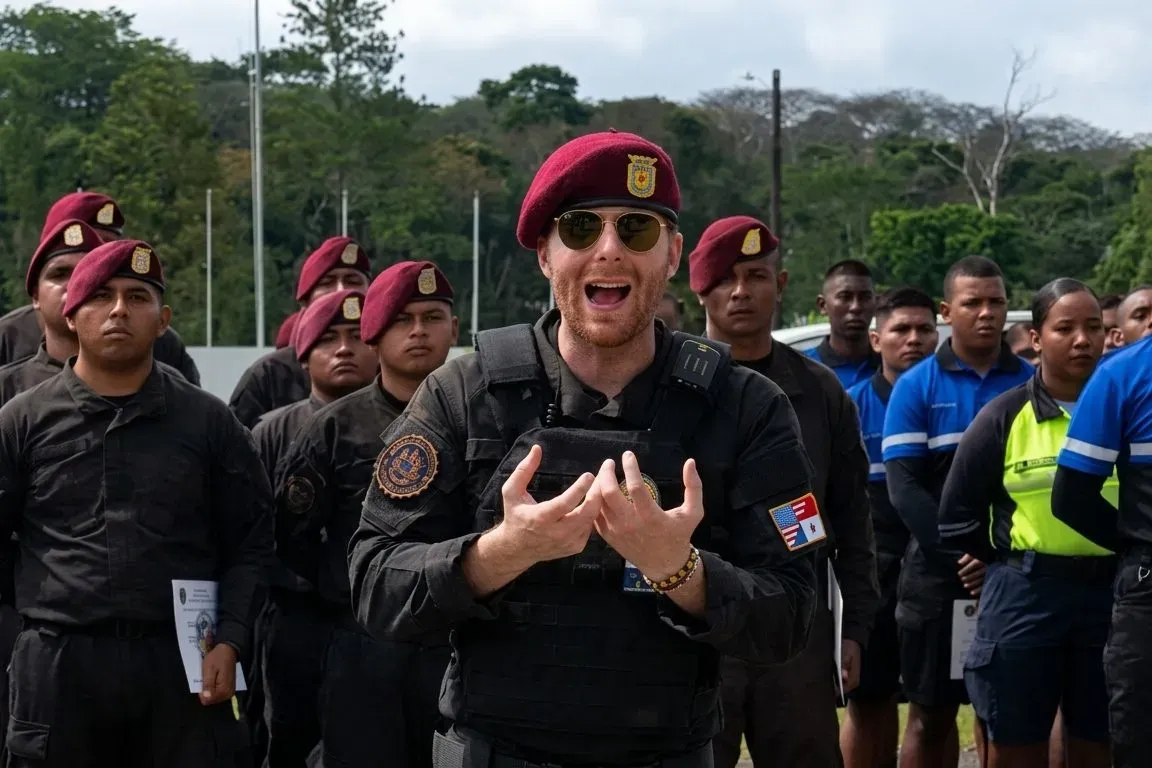
The creation of a municipal police force in Panama City has sparked a legal battle that now sits before the nation’s highest court. The Supreme Court of Panama recently admitted a lawsuit filed by the Ministry of Public Security Panama seeking to nullify the agreement that transformed the city’s former Department of Surveillance into a full-fledged Municipal Police force. This dispute raises fundamental questions about who controls law enforcement in the capital.
The controversy centers on Agreement No. 162, approved in June 2025 by the Municipal Council at the request of Mayor Mayer Mizrachi. This measure reorganized the city’s security personnel into a more professional and hierarchical structure with expanded responsibilities. But the national government argues this move oversteps constitutional boundaries. The Ministry of Public Security contends that only state security agencies should hold certain policing powers.
Before the ministry filed its case, the National Police had already tried to block the agreement through a separate constitutional challenge. Attorney Abraham Ricardo Rosas Araúz filed that initial lawsuit on behalf of the police force. The court rejected that bid, notifying the Mayor’s Office of the decision on June 11, 2026. Undeterred, the Ministry of Public Security took a different legal approach. Lawyer Argentina Barrera presented a nullity claim before the Third Administrative Chamber of the Supreme Court, which accepted the case.
Legal Battle Intensifies Over Municipal Police Authority
The Mayor’s Office received notification of the lawsuit’s admission on July 3, 2026. Magistrate María Cristina Chen, who currently serves as president of the Supreme Court, is overseeing the proceedings. The city government initially stood outside the case but later gained entry as an interested third party through a ruling issued the same day. That resolution remains pending formal notification by edict.
The city released a statement explaining its limited role so far.
“For this reason, the Mayor’s Office of Panama has not yet had any relevant participation in the case, except for having requested its admission as a third party, to which the Chamber agreed. The Municipal Council submitted its conduct report in a timely manner; for now, the fiscal opinion of the Administration Procurator’s Office is pending” [Translated from Spanish].
Back in August 2025, Security Minister Frank Ábrego had sought guidance from the Administration Procurator’s Office. He asked whether the municipal agreement invaded exclusive state powers over security matters and what limits existed for creating local police forces. Procurator Grettel Villalaz declined to answer because the issue would ultimately land in court.
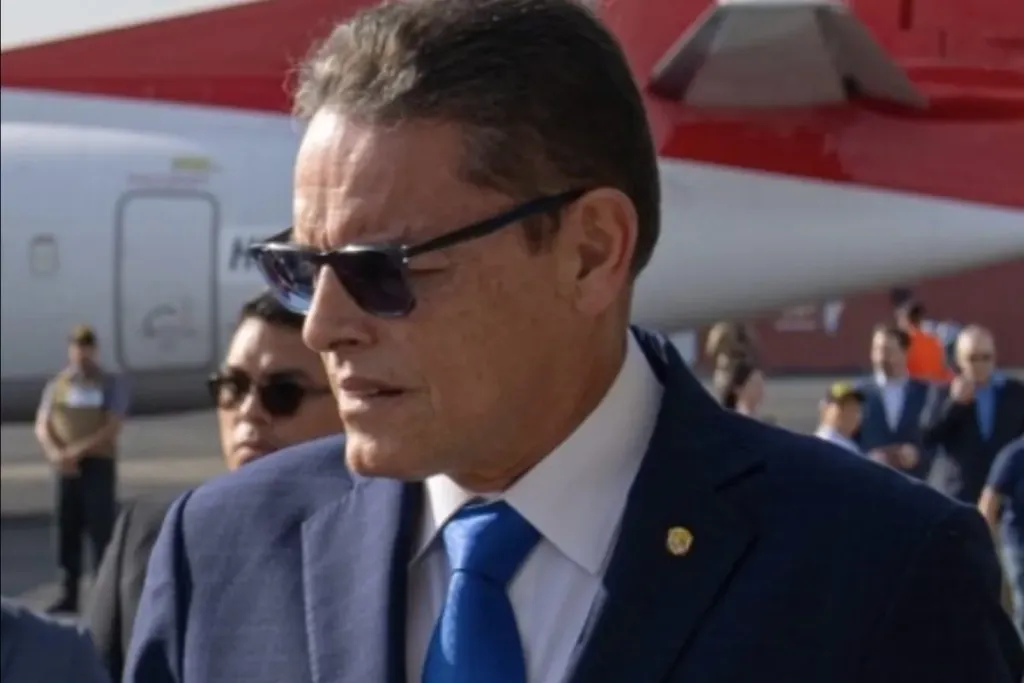
Deputy Mayor Roberto Ruiz Díaz has been outspoken in his criticism. He believes the municipal agreement encroaches on National Police responsibilities. He also points out that the new hierarchical structure includes ranks not recognized by laws governing local governments.
“Furthermore, it loses the reason for its creation, which was to guard municipal property, especially municipal facilities, of which there are dozens and which are currently not being guarded because resources are being allocated to patrols that are the responsibility of state security agencies” [Translated from Spanish].
New Rank Structure Mirrors National Police Forces
Agreement No. 162 introduced dramatic changes to how the city’s security personnel are organized. The old system featured a simple technical scale with positions like chief of surveillance, surveillance supervisor at three levels, and municipal watchman at three levels. The new framework establishes a five-tier ranking system that closely resembles state security forces.
The basic level includes agent, second corporal, and first corporal. Non-commissioned officers rank as second sergeant and first sergeant. Junior officers serve as second lieutenant, lieutenant, and captain. Senior officers hold the rank of major. The directive level consists of director and deputy director positions. This structure gives the Municipal Police a military-style command chain that critics say blurs the line between local and national authority.
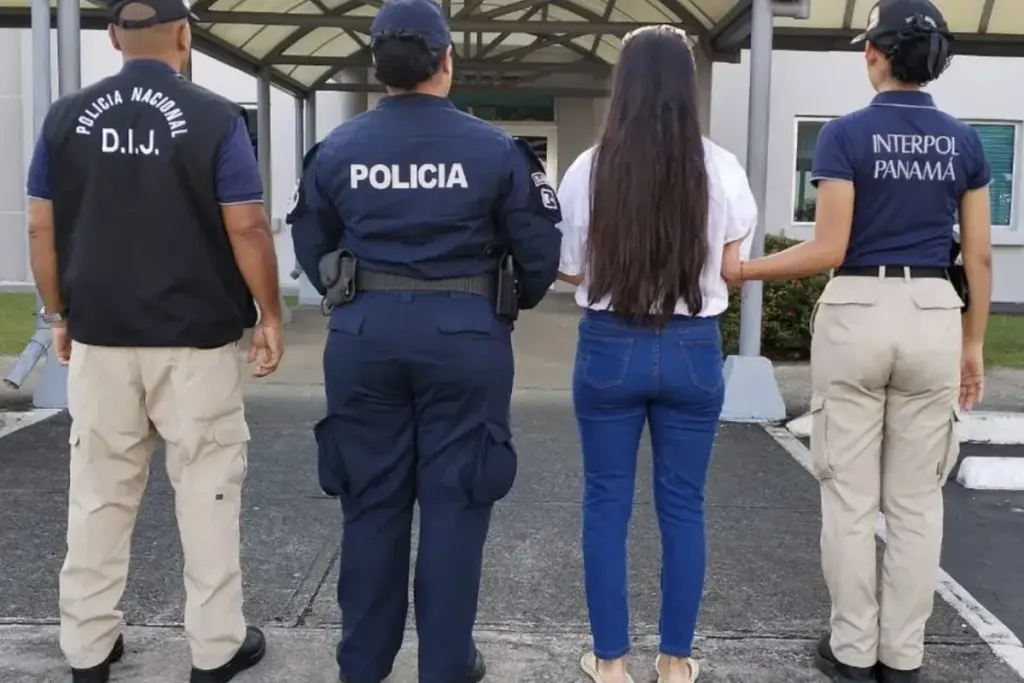
The agreement also sets physical standards that did not exist before. Male officers must stand at least 1.65 meters tall, while female officers need a minimum height of 1.60 meters. Body mass index requirements fall between 18 and 26. These health and fitness criteria represent a shift toward professionalization that supporters say is overdue.
Use of Force Rules and Firearms Regulations
The new regulations detail progressive use of force protocols and establish rules for firearms deployment. Weapons owned by the Municipality of Panama must be registered with the Ministry of Public Security. Officers can only use them to defend life or personal integrity. This represents an attempt to create clear boundaries around when municipal agents can escalate force.
The Municipal Police Panama now operates under a framework that some legal experts view as conflicting with national security laws. The core question before the Supreme Court boils down to jurisdiction. Can a municipal government create a police force with powers that overlap those of the National Police? The answer will shape law enforcement across the country.
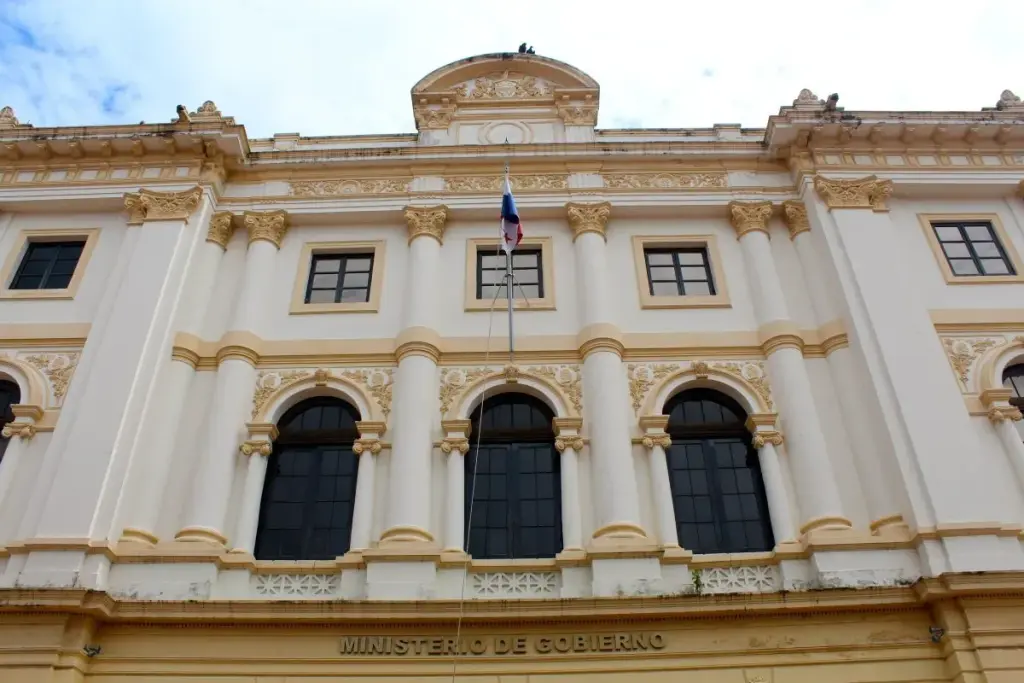
Panama has seen other municipalities express interest in forming their own police units. A ruling either way could set a precedent for how local governments handle security. The Ministry of Public Security wants to keep policing authority centralized. Mayor Mizrachi and his allies argue that city needs its own force to protect municipal assets and respond to local crime patterns.
The court has not set a timeline for its decision. Both sides continue to prepare their arguments while the city’s Municipal Police operates under the new structure. The outcome of this case will determine whether Panama City keeps its independent force or returns to the old system of a simple surveillance department.