


A teenager adjusts a virtual reality headset while another configures a 3D printer in a brightly painted room at the Ciudad del Saber (City of Knowledge). This is the scene at the newly inaugurated Rincón ClubHouse, a space designed to turn curious kids into tech creators. The facility opened its doors on July 15, 2026, marking the ninth such club in Panama.
The U.S. Embassy in Panama teamed up with SENACYT (National Secretariat of Science, Technology and Innovation) to launch the program at the Panama American Center. Young people aged 12 to 17 can now access free workshops in coding, robotics, digital design, and multimedia production. The space runs on a simple idea: let kids follow their interests while mentors guide them through hands-on projects.
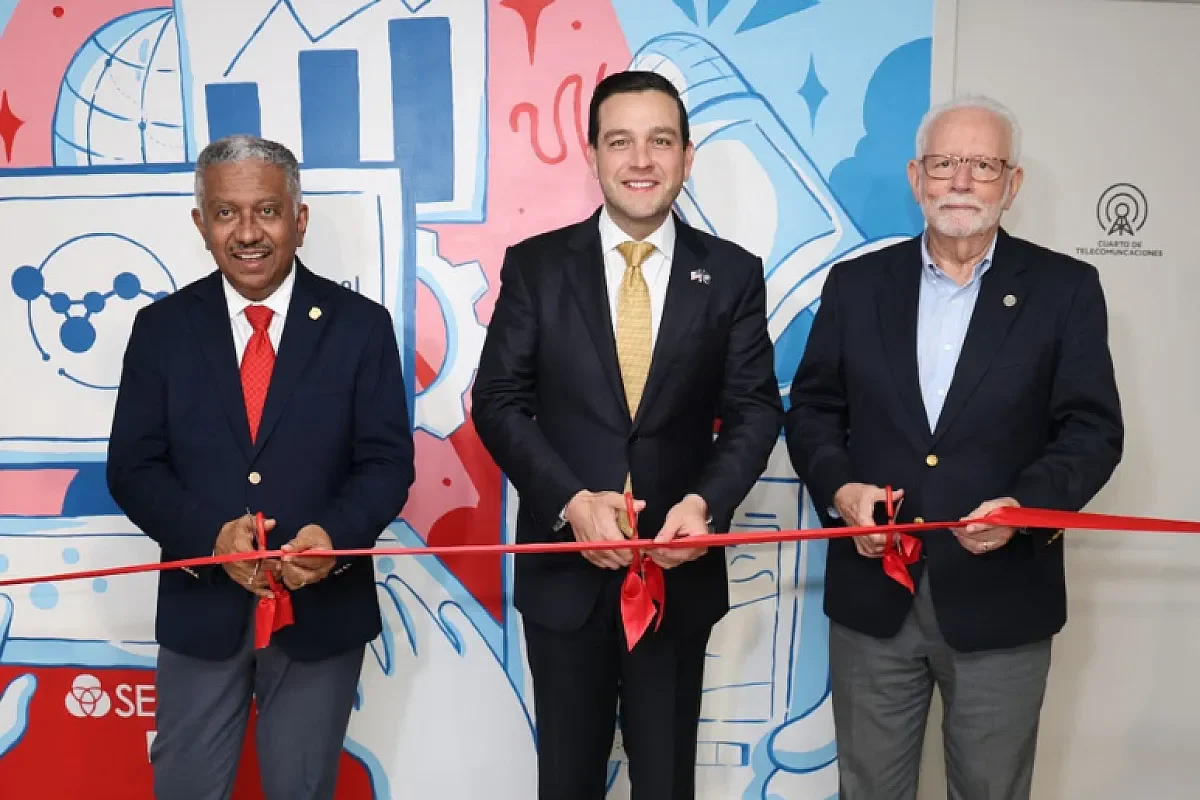
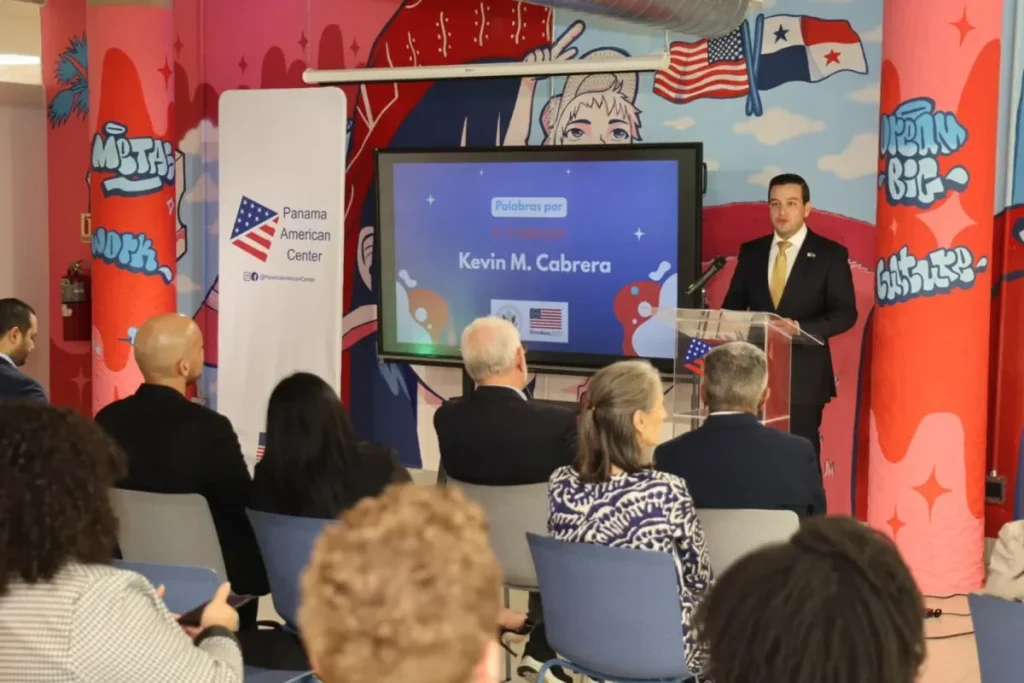
U.S. Ambassador Kevin Marino Cabrera spoke at the ribbon-cutting ceremony. He stood between representatives from SENACYT and Ciudad del Saber as they snipped the red ribbon. The ambassador made clear that this investment goes beyond gadgets and software.
‘Today’s inauguration is about investing in the most important resource any country has, its people’ [Translated from Spanish]
Cabrera emphasized that the United States wants to work with trusted partners to expand STEAM education. STEAM stands for science, technology, engineering, arts, and mathematics. The goal is to prepare young Panamanians for tomorrow’s job market. Skills in artificial intelligence, coding, and engineering will become increasingly valuable, he noted.
The U.S. Embassy contributed nearly $15,000 worth of equipment to get the club running. The shipment included high-performance laptops, gaming computers, professional cameras, and podcast production gear. A virtual reality headset and other makerspace technology also made the list. The Embassy covers the Panama American Center‘s operations, personnel, facilities, internet, and utilities through a partnership with the Ciudad del Saber Foundation.
The Clubhouse Network model originated in the United States. Boston’s Computer Museum and the MIT Media Lab first launched the concept. Participants design projects based on their own interests. They work with mentors to develop technical, creative, collaborative, and leadership skills. Panama now has nine such clubs across the country.
The new ClubHouse will offer at least 20 hours of free public programming each week. Students can explore coding, robotics, digital design, 3D printing, electronics, sublimation, and virtual reality. The space also supports multimedia production, giving teens tools to create their own content.
Since opening in 2024, the Panama American Center has become a busy hub for English language learning, entrepreneurship, and educational exchange. Thousands of Panamanians pass through its doors each year for workshops and training. The addition of the Rincón ClubHouse strengthens the Center’s role as a launchpad for innovation and workforce development.
Panama faces a growing demand for skilled technology workers. Companies looking to build secure supply chains and trusted technology ecosystems need trained talent. The United States sees this partnership as a way to strengthen its own economic and technological competitiveness while helping Panama develop its workforce.
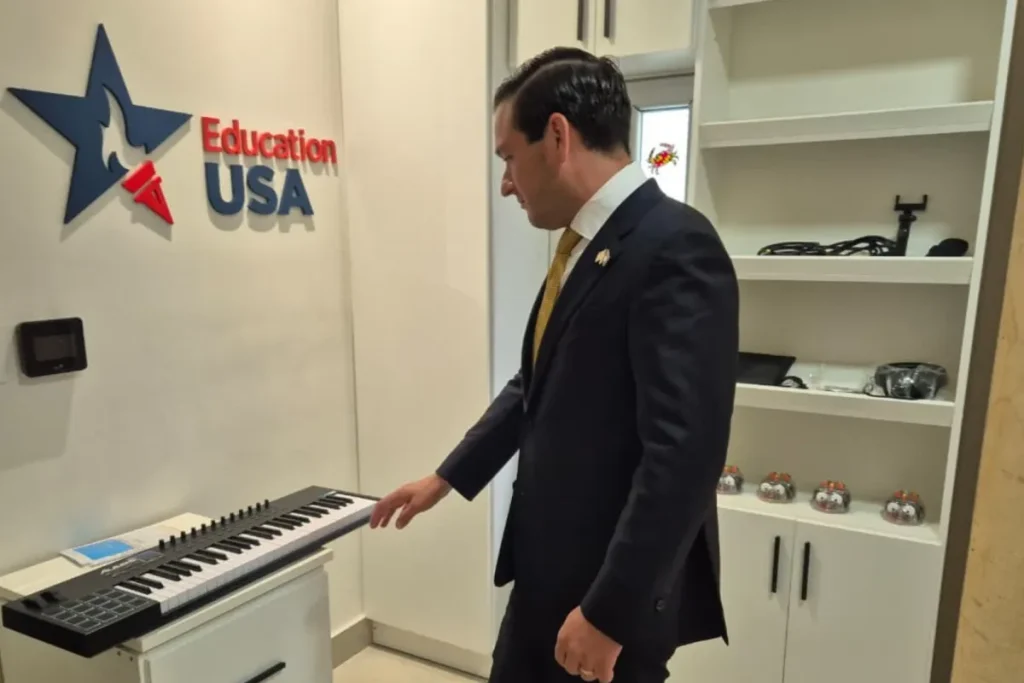
During a tour of the new facility, a young participant showed Ambassador Cabrera and a SENACYT representative a technology project. The student explained how the club’s equipment helped bring the idea to life. Moments like these highlight the program’s core mission: giving young people the tools to build their own futures.
The Rincón ClubHouse joins a network of similar spaces worldwide. Each club adapts the model to local needs while keeping the same philosophy. Kids learn by doing. They fail, try again, and eventually create something that matters to them. That process builds more than technical skills, it builds confidence.
For Panama’s next generation of innovators, this new space at the Panama American Center represents an opportunity. The equipment, the mentors, and the free programming remove barriers that often keep talented young people from exploring technology. Now the question is how many will walk through the door and discover what they can create.