


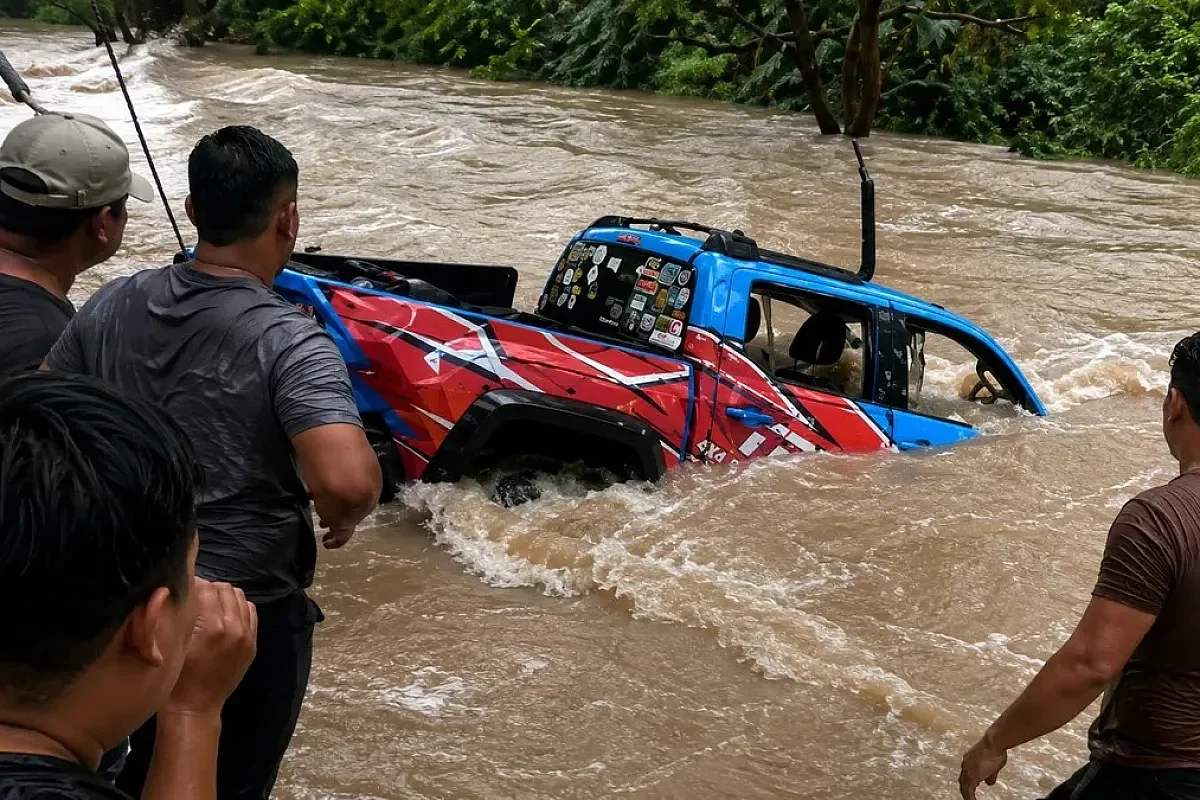
Raging waters in eastern Panama turned a routine drive into a deadly nightmare this week. A 26 year old man died after his vehicle was swept away while trying to cross a swollen creek in the Darien Province, authorities confirmed late Thursday. The victim had been reported missing hours earlier when his four wheel drive truck vanished into the current.
📑 Table of Contents
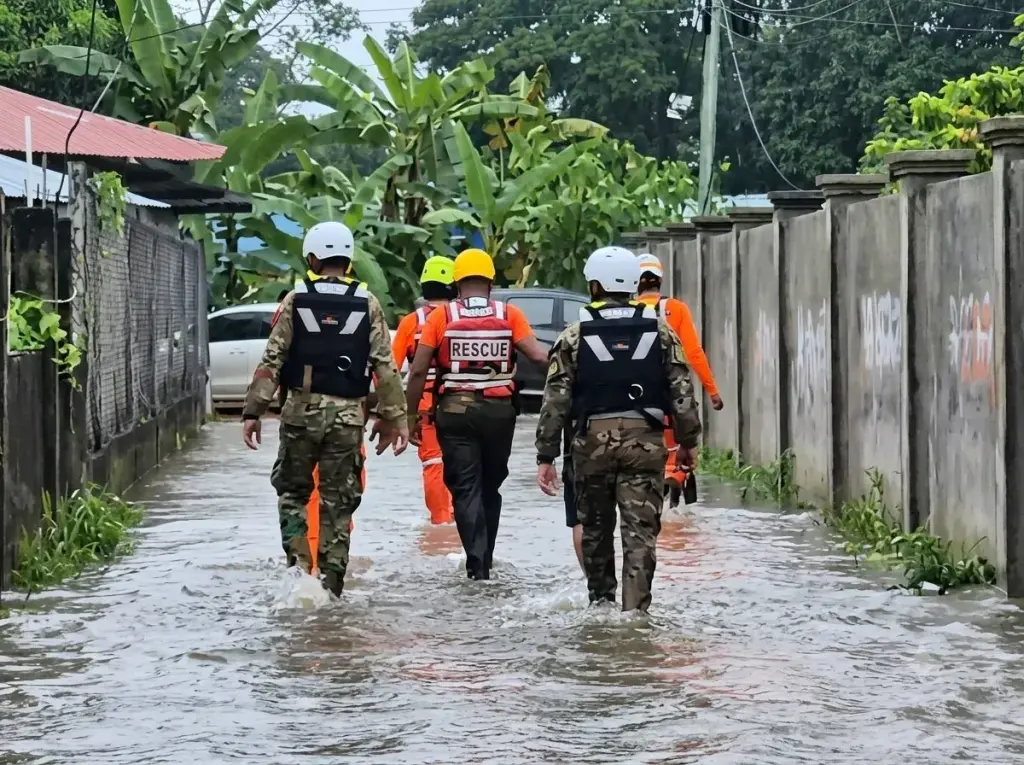
Emergency teams from the Sinaproc Panama agency located the body that same evening. The search ended without hope. Rescuers found no signs of life when they reached the man trapped in his submerged vehicle.
René García, a spokesperson for the National Civil Protection System, described the harrowing sequence of events. The driver attempted to cross a road that had been overtaken by rising water from a tributary of the Platanilla River in the Rio Congo Abajo township. He did not make it. The current caught him mid crossing and dragged the truck downstream.
This tragedy underscores a persistent danger across Panama’s rural regions. Heavy rains transform calm streams into deadly torrents within minutes. Locals often underestimate how quickly conditions change. The victim’s decision to drive through floodwater proved fatal.
Flood Risks Demand Greater Caution
The National Civil Protection System has issued repeated warnings about crossing flooded roads during storm season. But people keep taking chances. They misjudge the water’s speed or depth. Sometimes they simply do not see another option.
Darien Province presents unique challenges. This dense jungle region sits along Panama’s border with Colombia. It has limited infrastructure and few alternative routes. Drivers facing washed out roads may feel pressured to push through rather than wait for conditions to improve.
Panama’s rainy season typically runs from May through November. During this period, the country experiences regular tropical waves and occasional storms that dump massive amounts of water in short timeframes. Rivers and creeks swell rapidly. Roads become deathtraps.
Authorities stress that no vehicle can safely cross fast moving floodwater. Even large trucks and SUVs can be swept away. The force of moving water is deceptive. Six inches of fast flowing water can knock a person off their feet. A foot of water can float a car. Two feet can sweep away most vehicles.
Learning from Deadly Patterns
This incident mirrors similar tragedies across Panama in recent years. Each rainy season brings reports of people swept away while crossing rivers or driving through flooded lowlands. The victims range from children playing near creek banks to adults trying to reach home during storms.
Sinaproc officials emphasize that flash flood safety requires immediate action when water begins to rise. Do not enter moving water. Turn around. Find higher ground. Wait for the flood to recede. These simple steps save lives.
The deceased man’s family now mourns a loss that might have been prevented. His truck remains in the creek where it came to rest. Investigators will document the scene before recovery operations begin. The body has been transported to the local morgue for autopsy procedures.
Darien Province has seen increased development in recent years. New roads and settlements bring more people into flood prone areas. Climate scientists warn that extreme rainfall events are becoming more frequent across Central America. This trend puts more lives at risk.
Sinaproc continues its public education campaigns. The agency distributes flood safety information in Spanish and indigenous languages. Community leaders receive training on emergency response. But changing behavior takes time. Each death serves as a grim reminder of the work still needed.
Panama’s government has invested in early warning systems and better drainage infrastructure in vulnerable areas. But nature remains unpredictable. The best defense against flood deaths is individual caution. No destination is worth dying for. No road is safe when water covers it.