


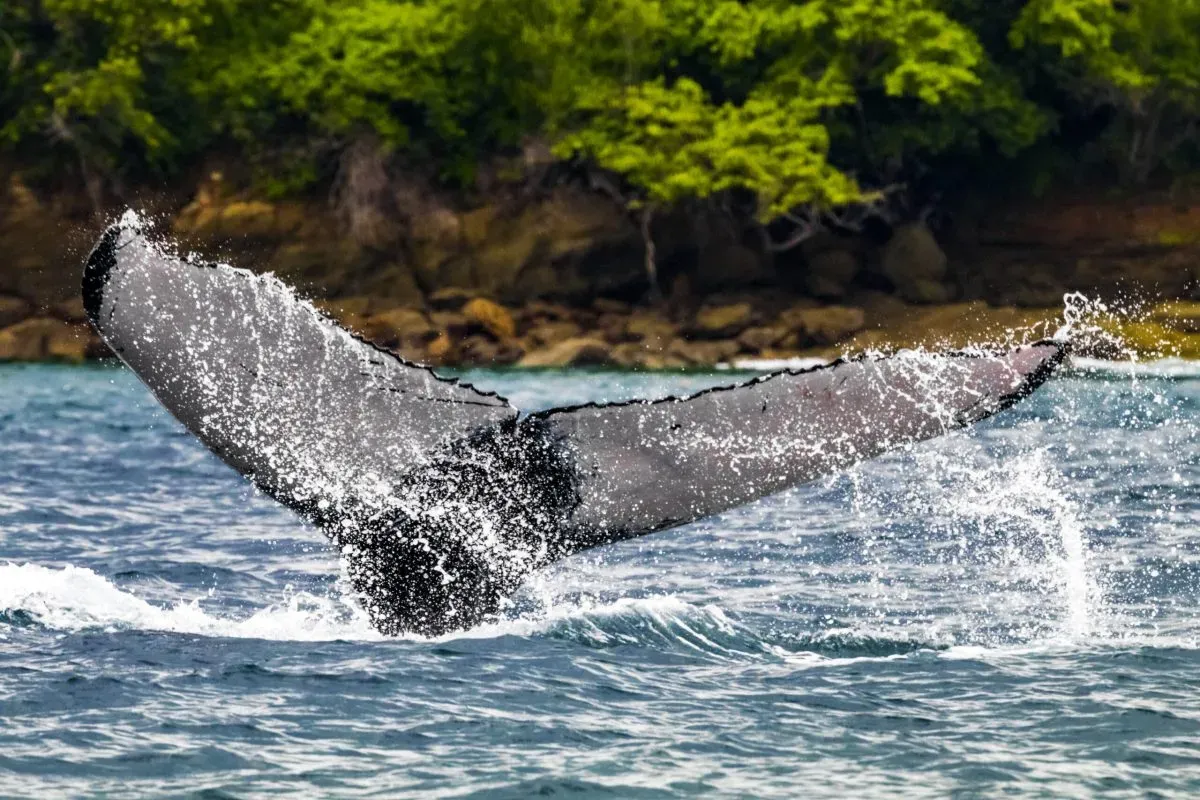
Angelo Solanilla’s boats are ready. Just minutes from the coast, humpback whales are arriving in Panamanian waters, and the tour operator from the Azuero Peninsula isn’t waiting for travelers to find him. He’s bringing the experience straight to the capital’s most visited historic district. A new pedestrian zone showcase in Casco Antiguo is putting destinations like Pedasí, Boquete, and Isla Caña directly in front of the more than 100,000 tourists who have already entered Panama this year, marking a deliberate pivot away from the well-worn paths of Panama City toward the country’s less-traveled interior provinces.
A Strategic Stage in the Historic Quarter
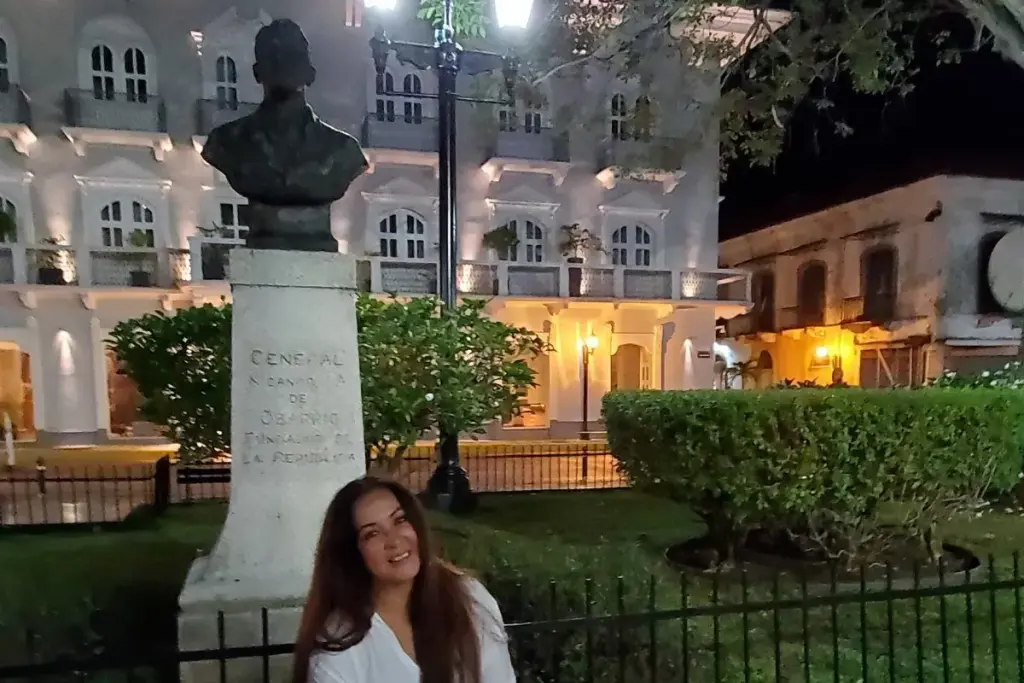
The Tourism Authority of Panama (ATP) has carved out a dedicated promotional space along the pedestrian walkways of the Casco Viejo ( Casco Peatonal ) neighborhood, a UNESCO World Heritage site that already draws thousands of daily visitors. The logic is straightforward. Tourists strolling through the colonial streets, many arriving via Tocumen International Airport or the regular cruise ships docking nearby, now encounter local entrepreneurs, tour operators, and community representatives showcasing what lies beyond the capital’s skyline.
This isn’t a passive information booth. It functions as a living marketplace where visitors can book tours, sample regional cuisine, and plan excursions to destinations hours away from the metropolitan area. The ATP sees the space as a bridge connecting the country’s most iconic urban attraction with the rural communities that have historically received far less attention from international arrivals. With visitor numbers maintaining an upward trend throughout the year, officials believe the timing is right to redistribute that economic potential more broadly.
The Pacific Coast’s Seasonal Spectacle Takes Center Stage
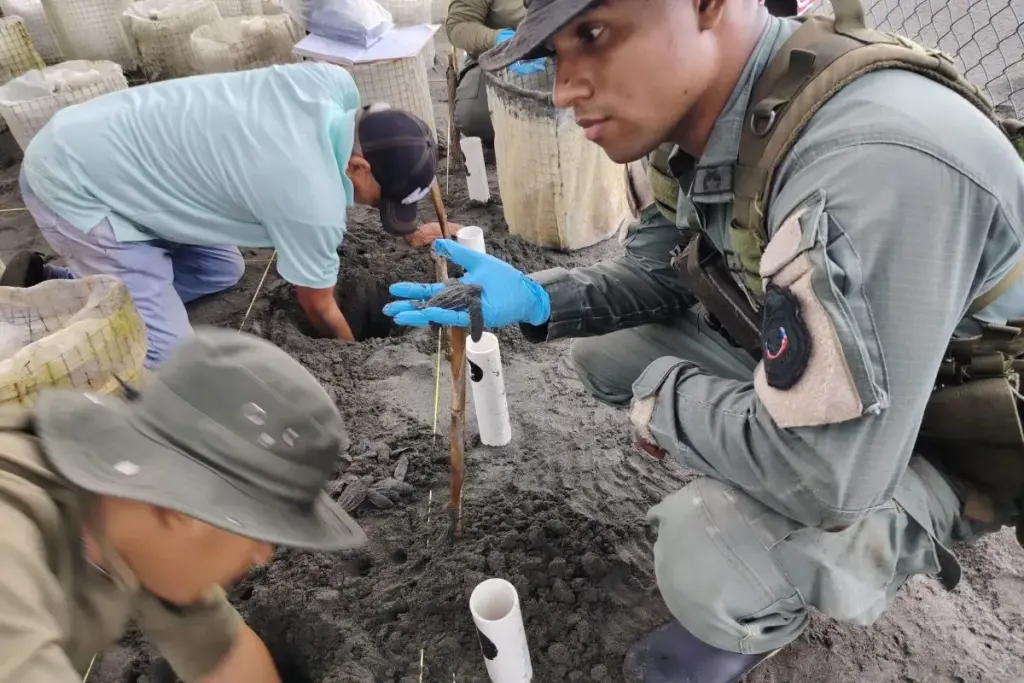
Among the strongest draws promoted at the Casco exhibition is nature-based tourism, which is entering its peak season along Panama’s Pacific coastline. Solanilla, who operates tours in the Pedasí region, described two primary offerings that define the coming months. The first involves short boat trips to observe humpback whales migrating through warm tropical waters, a spectacle visible remarkably close to shore. The second takes visitors to Isla Caña, where sea turtles arrive in significant numbers for nesting and hatching events that unfold on protected beaches.
‘We already have the routes available for witnessing the humpback whales just minutes from the coast in local boats, as well as guided visits to Isla Caña to observe the births and nesting of sea turtles’ [Translated from Spanish]
The emphasis on accessible wildlife encounters reflects a broader understanding of what modern travelers seek. Rather than passive sightseeing, the tours offer participatory experiences tied to conservation cycles. The turtle nesting season, in particular, draws visitors interested in ecological tourism, a segment that has grown consistently across Central America over the past decade.
Pedasí and the Azuero Advantage
Miguel Batista, the mayor of Pedasí, attended the Casco event with a clear message about his district’s competitive edge. Speaking to attendees, he pointed to the region’s gastronomic variety and its unusually dry climate. While much of Panama experiences heavy rainfall during large portions of the year, Pedasí and surrounding areas of the Azuero Peninsula enjoy significantly lower precipitation levels, creating a reliable window for outdoor activities and coastal exploration.
‘The gastronomic variety and favorable weather conditions in our zone, characterized by low rainfall during much of the year, set us apart as a destination’ [Translated from Spanish]
Jorge Correa, the ATP’s deputy administrator, confirmed that internal tourism data shows a growing preference among visitors for interior provinces. Boquete, the highland town in Chiriquí Province known for coffee plantations and cool mountain air, leads domestic and international preference rankings. But the ATP’s strategy involves spreading that interest across multiple regions. Correa’s remarks suggest the agency views destinations like Pedasí not as competitors to Boquete, but as complementary offerings that can extend visitor stays and increase overall spending outside the capital corridor.
Weaving Communities into the Tourism Economy
The push toward the interior carries economic implications that go deeper than visitor statistics. By connecting cruise ship passengers and Tocumen arrivals directly with rural tour operators, the ATP aims to shorten the supply chain between tourism dollars and local communities. Small-scale entrepreneurs who lack the marketing budgets to compete with large hotel chains or international booking platforms gain direct access to a concentrated flow of potential customers at the Casco hub.
The model draws on principles of sustainable tourism that have gained traction across Latin America, where countries like Costa Rica and Colombia have demonstrated that community-integrated tourism can distribute revenue more evenly than resort-concentrated models. Panama’s approach, leveraging an existing high-traffic urban site to funnel interest toward rural areas, reflects an understanding that infrastructure alone will not redirect tourist flows. The Casco exhibition space serves as both a marketing tool and a signal that the national tourism strategy is evolving beyond the canal and the skyline.
With the whale watching season underway and turtle nesting attracting ecological travelers, the coming months will test whether the capital’s promotional stage can translate curiosity into bookings. For operators like Solanilla and officials like Batista, the tourists are already here. The task now is getting them on the boats heading west.