


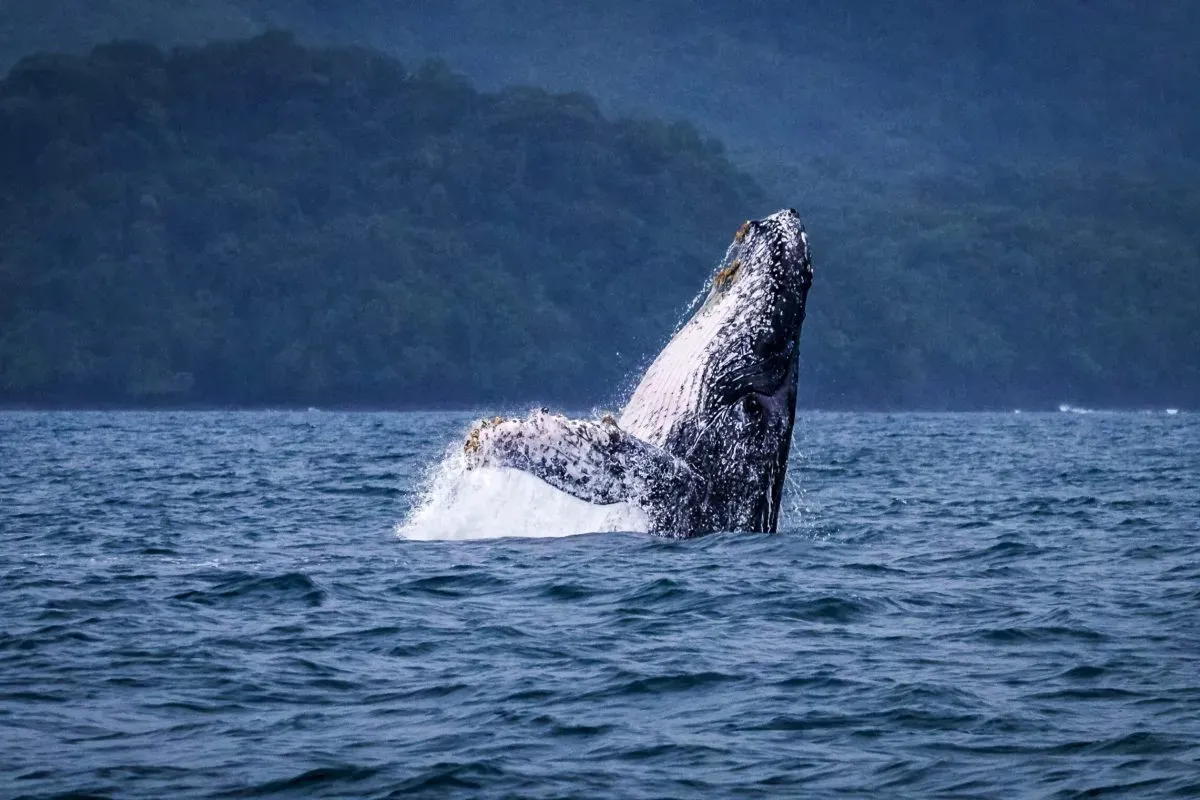
The humpback whales return to Panama’s warm waters each year between July and October, drawing thousands of tourists eager for a glimpse of these majestic creatures. But this year, officials are sounding the alarm. With more boats than ever crowding the observation zones, the risk of collisions and disturbances has reached a critical point. The Panama Ministry of Environment has issued an urgent appeal for everyone on the water to follow the rules or face serious consequences.
Captain Jorge Reyes has been leading whale-watching tours for over a decade. He told reporters that he has seen too many boats chase after mothers with calves just to get a perfect photo. ‘It is reckless behavior that puts everyone at risk, not just the whales,’ he said. His frustration echoes the concerns of environmental authorities who are now taking a harder line on enforcement.
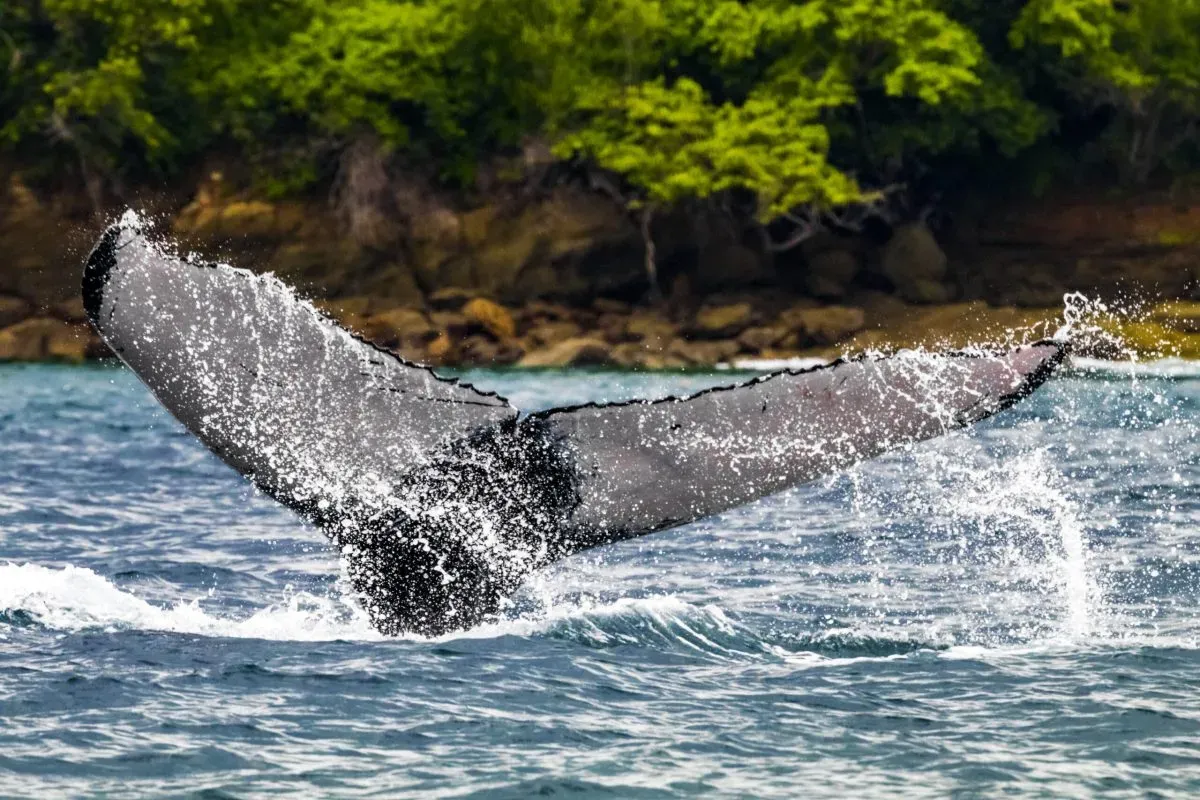
What the Law Requires on the Water
The regulations are not new. They come from Resolution DM-0144-2022, which lays out clear boundaries for anyone operating a vessel near cetaceans. Boats must stay at least 250 meters away from whales and 100 meters from dolphins. Speed is capped at 4 knots, roughly 7 kilometers per hour, inside observation areas. When whales approach on their own, captains must put the engine in neutral. Observation time is limited to 30 minutes per group, and only 15 minutes when a mother is traveling with her calf.
These rules are designed to protect the animals during critical activities like feeding, resting, and caring for their young. Interfering with these behaviors can cause stress, injury, and even long-term harm to the population. The guidelines align with broader Cetacean conservation guidelines used internationally to reduce human impact on marine mammals.
Panama’s Pacific coast sees some of the highest concentrations of humpback whales in the region during this season. The whales migrate from colder feeding grounds to give birth in these warmer, sheltered waters. That makes the country a prime destination for wildlife tourism, but it also means the animals are especially vulnerable during their stay.
Tourists and Operators Share Responsibility
The Ministry has made it clear that the responsibility does not fall on boat captains alone. Tour operators, guides, and even passengers must follow the rules. Visitors are told not to request dangerous maneuvers from their captains for the sake of a better photograph. ‘We have seen tourists encourage drivers to get closer, not understanding the danger,’ said Maria Soto, a marine biologist with the Ministry. ‘That is why we need everyone to understand the rules before they step on a boat.’ [Translated from Spanish]
The Ministry is also pushing for stronger enforcement of Whale watching regulations Panama has established, which include penalties for violations. Those caught breaking the rules face administrative sanctions and fines. In serious cases, captains can lose their licenses and their vessels can be suspended from operating. These measures are part of the country’s broader environmental law, which treats harm to protected species as a serious offense.
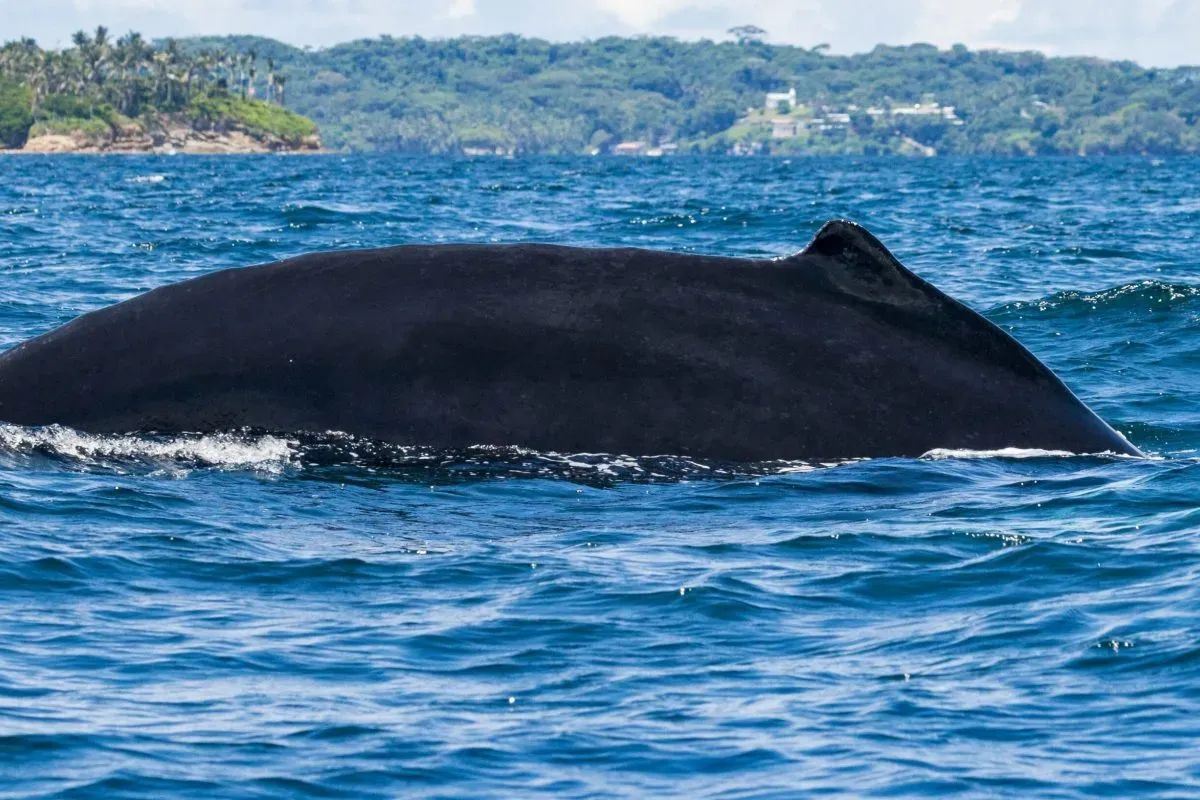
A Growing Industry Faces New Challenges
Whale watching has become a significant economic driver for coastal communities in Panama. Towns along the Pacific coast see a surge in visitors during the season, with hotels, restaurants, and tour companies all benefiting. But the rapid growth of the industry has outpaced the infrastructure for monitoring and enforcement. Many boats operate without proper training or awareness of the rules.
In July 2026, the Ministry launched a public awareness campaign targeting both locals and tourists. Signs have been posted at major ports and marinas. Educational materials are being distributed in multiple languages. The goal is to make compliance second nature, not an afterthought.
Some operators have already adopted voluntary measures that go beyond the legal minimum. They use spotters to track whale movements and maintain extra distance when calves are present. These operators say the long-term health of the whale population matters more than short-term profit. ‘If we lose the whales, we lose everything,’ Reyes said. ‘This is not just about tourism. It is about protecting a natural treasure.’
The Ministry has not ruled out further restrictions if violations continue. Officials are considering mandatory training for all boat operators and stricter licensing requirements. They are also exploring the use of drones and satellite tracking to monitor activity in real time. For now, the message is simple: follow the rules or stay off the water.