


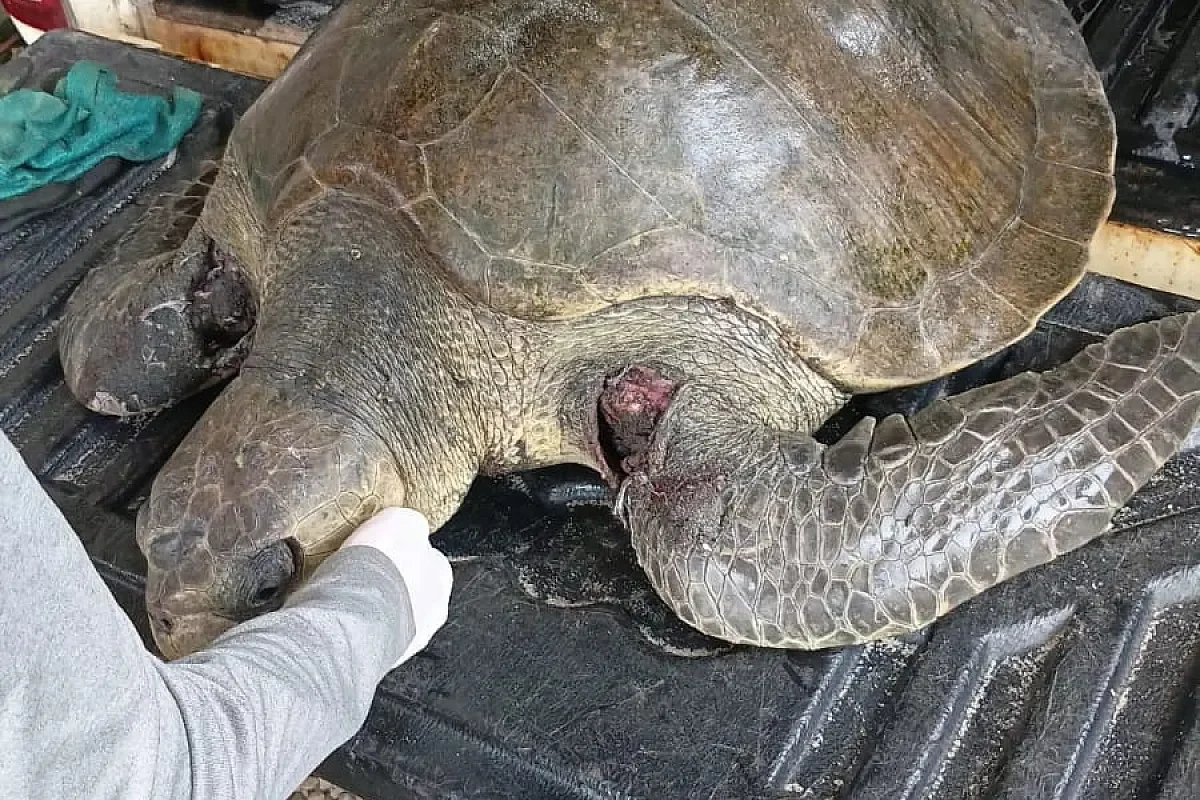
A nesting olive ridley turtle fought for her life on the sands of Punta Chame, but the brutal injuries she sustained from a pack of unsupervised dogs left little chance of survival. The sea turtle death, confirmed by Panama’s Ministry of Environment on Monday morning, marks the sixth such incident this year along the country’s Pacific coastline and sharpens a growing alarm over pet impacts on endangered marine species.
A Fight for Survival That Ended in Loss
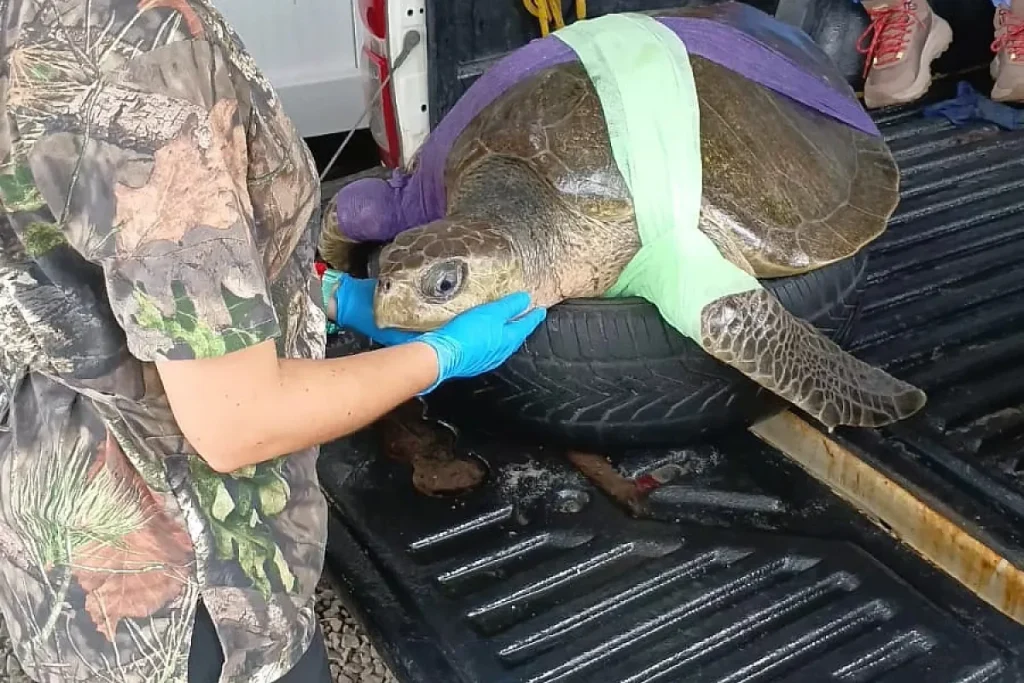
Park rangers and marine biologists rushed to the beach within the Manglares de la Bahía de Chame protected area after locals spotted the wounded female. They found the turtle, later named “Valiente,” bleeding heavily from deep bites inflicted by several dogs roaming freely across the nesting site. A specialized veterinary team from the ministry’s Coast and Seas Directorate immediately stabilized the animal, cleaned and sutured her wounds, administered fluids and medication, and worked through the weekend hoping she would rally.
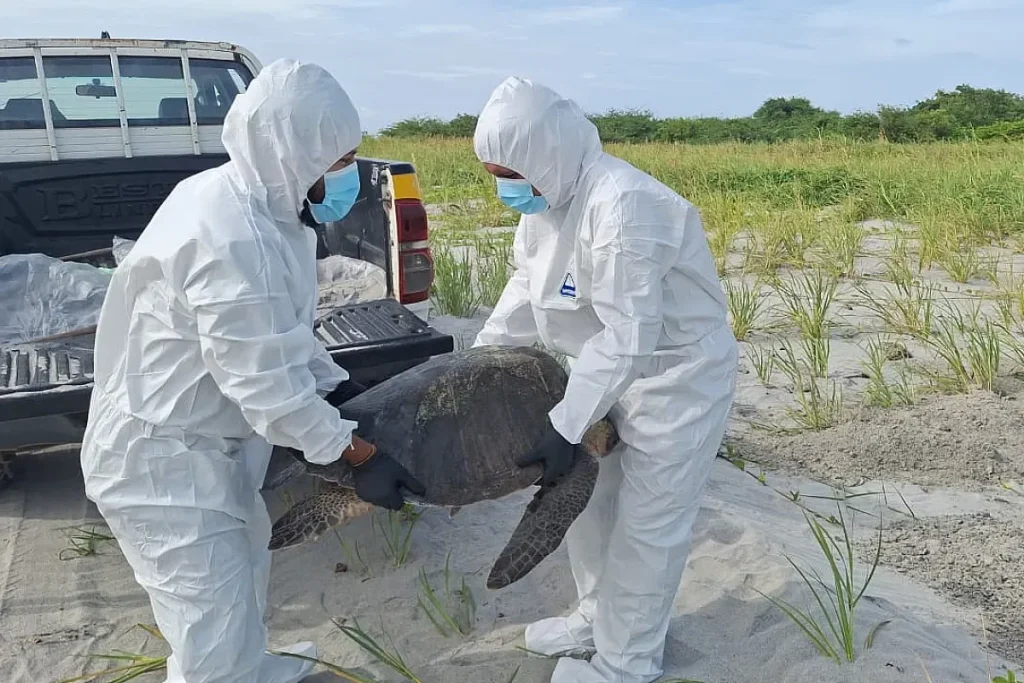
By Monday morning, July 27, those hopes collapsed. Severe blood loss proved irreversible, and Valiente died despite intensive care. Her body was buried in a deep pit far from the shoreline, a standard protocol that prevents scavengers, wind, or high tides from unearthing the remains. The burial also underscores how a single attack can erase years of reproductive potential from a population already squeezed by climate change, fishing gear, and habitat loss.
The Rising Toll of Sea Turtle Deaths from Canine Attacks
Valiente’s death is not an isolated tragedy. Ministry figures show that during 2026 alone, officials have responded to six near-identical cases of sea turtle death linked to dog attacks on nesting mothers. Two of those incidents unfolded at Punta Chame in Panama Oeste province, while four occurred at La Marinera beach in the Los Santos region, a critical arribada site where thousands of turtles come ashore in synchronized waves.
Each lost female represents a double blow to conservation. Olive ridley turtles swim decades before reaching sexual maturity, and a single breeding-age adult can deposit dozens of eggs per nest, multiple times a season. When dogs tear into a nesting turtle, the immediate death is compounded by the loss of countless hatchlings that will never reach the ocean. Biologists point out that these beaches, meant to be sanctuaries, are becoming death traps whenever pets wander off-leash or are abandoned near coastal zones.
Government Urges Stricter Leash Enforcement and Local Action
In the wake of the latest death, the environment ministry opened direct talks with municipal authorities in the Chame district. The goal is to tighten enforcement of existing animal control rules and to craft localized prevention measures before the next mass nesting season peaks. While Panama’s wildlife laws protect sea turtles, the ministry acknowledges that rules are meaningless if pets continue to patrol the tideline at night without restraint.
“The Ministry of Environment strongly urges citizens to practice responsible pet ownership and prevent them from entering nesting beaches, especially during the sea turtle reproductive season.” [Translated from Spanish]
The statement reflects a broader frustration among conservationists who have watched similar patterns unfold year after year. Officials are now exploring whether temporary leash mandates, fencing at key entry points, or community patrols during high-risk months can break the cycle. The ministry is also working to educate coastal neighborhoods about the legal and ecological consequences of letting dogs run loose in protected areas, where marine fauna enjoy explicit safeguarding under national law.
Preventing Sea Turtle Death Through Responsible Pet Ownership
The chain of events that killed Valiente began not with a wild predator, but with domestic animals that had no supervision on a sensitive nesting beach. Conservation groups have long warned that free-roaming dogs pose an underestimated threat to shorebirds, iguana hatchlings, and sea turtles across Latin America. The ministry’s repeated call for responsible tenancy shifts the focus back to pet owners, reminding them that a simple leash or a closed gate can mean the difference between a successful nesting cycle and another sea turtle death.
Olive ridley turtles are listed as vulnerable by global conservation authorities, and every nesting female is a pillar of species recovery. The burial of Valiente away from the surf closes a single case file, but the same pressures remain. Without a coordinated push from local governments, environmental agencies, and residents, the six deaths recorded so far in 2026 risk becoming just a preview of what an unmanaged dog population can do to an already fragile reproductive window.