



Authorities in Panama have activated an extreme heat warning across vast swaths of the country, pushing heat indices into the danger zone. The Institute of Meteorology and Hydrology of Panama (IMHPA) announced that the alert would remain in effect from Tuesday afternoon, July 28, until midday on Thursday, July 30, 2026. Actual thermometer readings will hover between 31°C and 35°C, but stifling humidity and light winds will make it feel as hot as 41°C in some areas. The advisory underscores a growing pattern of intense, off-season heat events gripping the isthmus.
The Meteorology Behind the Scorching Forecast
Dry air settling over the region and a stubborn high-pressure system have created a textbook setup for dangerous heat. With little cloud cover to filter the sun’s rays, surface heating accelerates quickly after sunrise. IMHPA meteorologists noted that by late morning, temperatures were already brushing 30°C in several locations. Unlike a typical hot day, this event brings a triple threat: soaring air temperatures, elevated relative humidity from bordering oceans, and a lack of cooling breezes.
📣 Aviso de Vigilancia por Temperaturas y Sensación Térmica Elevadas 🌡
— IMHPA (@imhpapma) July 28, 2026
📌 Válido hasta las 12:00 p.m del 30 de julio de 2026.
Pronóstico por el meteórologo Emanuel Velásquez.
📲 Para más información ingresa a https://t.co/74vkjvagDm pic.twitter.com/HPcWNJHg6B
Those factors conspire to spike the heat index, a measure of how hot the body actually perceives conditions to be. When sweat cannot evaporate efficiently, the natural cooling mechanism falters. The institute warned that conditions could slip into what it classifies as “extreme caution” territory, where the risk of heat-
illness climbs sharply.
“During the course of the day, conditions corresponding to the ‘extreme caution’ category could be recorded” [Translated from Spanish]
That threshold, experts say, demands far more than casual awareness.
Regions Under the Extreme Heat Warning
The extreme heat warning spans a broad geographical corridor, from the Pacific lowlands to the Caribbean coast. Provinces placed on alert include the Tierras Bajas of Chiriquí, southern and central Veraguas, Los Santos, Herrera, Coclé, Panamá Oeste, Panamá, Darién, and Colón. The indigenous comarcas of Emberá and Guna Yala are also covered by the advisory. For many of these communities, the midday hours will become particularly punishing.
Timing matters. The alert began at 2:30 p.m. Tuesday and stays active until Thursday at noon, but the hazard peaks each afternoon when the sun reaches its zenith. Children walking home from school, farmers tending fields, and construction crews on outdoor sites will face the brunt of the heat. IMHPA projections show that the combination of temperature and humidity will remain elevated even into early evening, offering little respite.
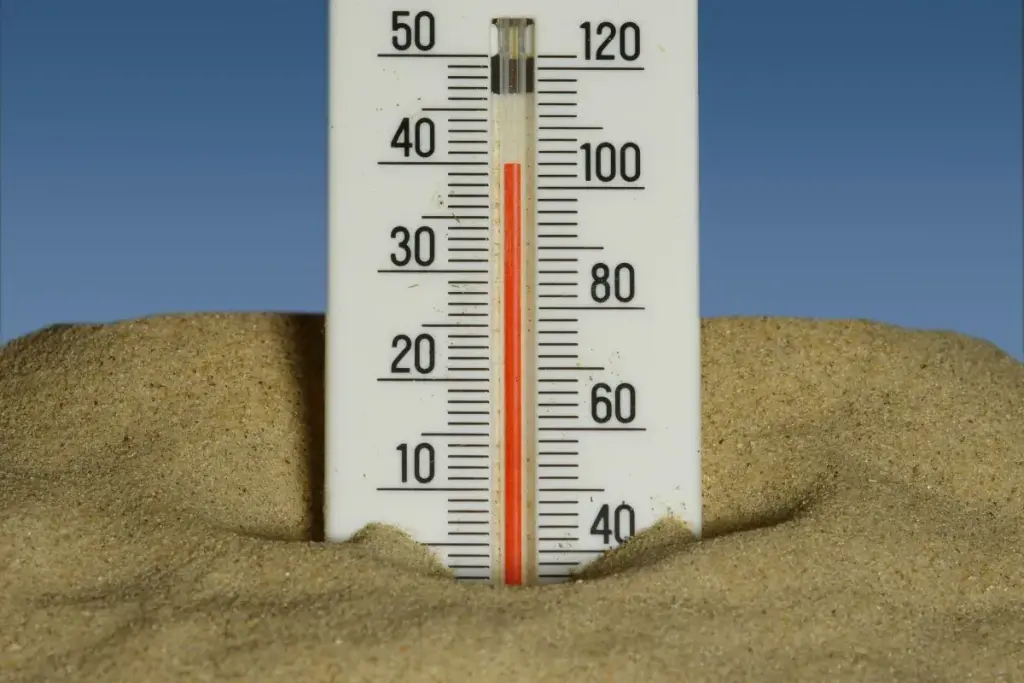
How Heat Becomes a Silent Health Emergency
Heat kills more people globally than hurricanes, floods, or tornadoes, and this extreme heat warning carries that same quiet menace. The body’s core temperature can rise to dangerous levels faster than many realize, especially during strenuous activity. Health authorities flagged three immediate threats: heat cramps from salt depletion, heat exhaustion from fluid loss, and full-blown heat stroke, a life-threatening condition where the body’s thermostat simply fails.
Those most vulnerable include seniors, infants, pregnant women, and individuals managing chronic ailments like diabetes or hypertension. Still, even fit adults can succumb if they ignore the signs. IMHPA’s guidance calls for steady hydration, even before thirst strikes, and urges residents to wear loose, light-colored clothing. Alcohol and sugary drinks accelerate dehydration, making water the only truly safe option.
“Maintain adequate hydration, avoid direct sun exposure during the hours of greatest intensity, and wear light clothing” [Translated from Spanish]
Officials also pressed caretakers to never leave children or pets inside parked vehicles, where temperatures can become lethal within minutes.
Panama’s Shifting Climate Reality
This extreme heat warning isn’t an outlier, it’s part of a troubling trend reshaping Central American weather patterns. While Panama’s dry season traditionally runs from December through April, mid-year heat spikes are appearing with greater frequency. Meteorologists point to a cocktail of factors: the tail end of an El Niño cycle that warmed eastern Pacific waters, ongoing deforestation that erases natural cooling, and the broader thumbprint of global warming pushing baseline temperatures upward.
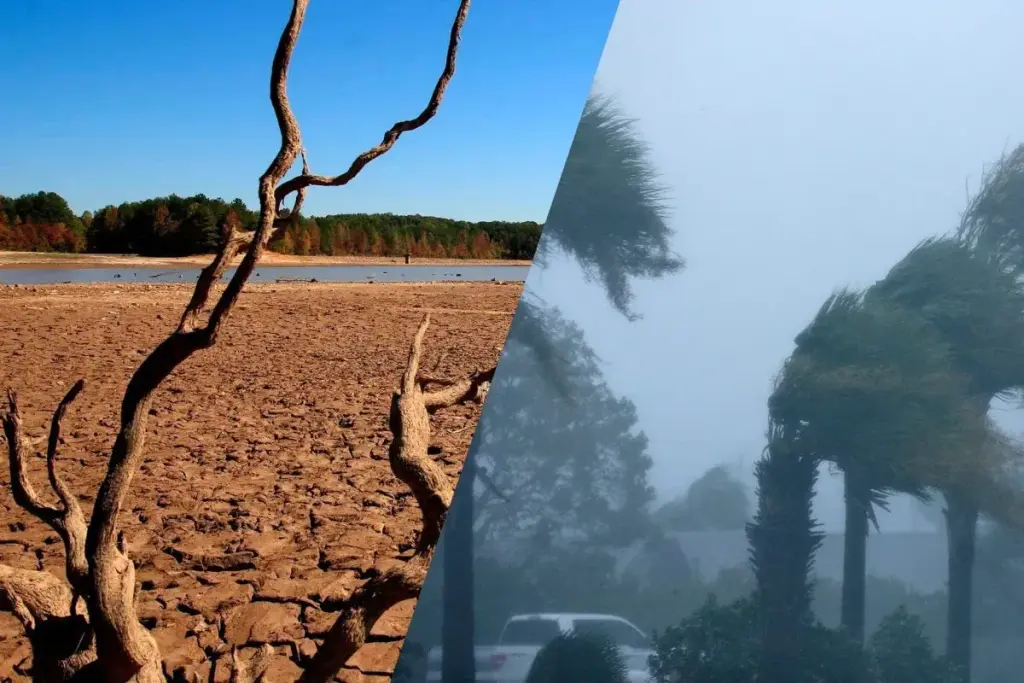
The World Meteorological Organization has documented that Latin America and the Caribbean are warming at a rate above the global average. For a nation where humidity already clings to the skin like a second shirt, even a one-degree rise in average temperature can translate into dozens more hours of dangerous heat each year. Public health systems, particularly in rural provinces like Los Santos and Darién, often lack the infrastructure to handle a surge in heat-linked emergencies. As this week’s alert makes clear, staying safe now requires a cultural shift, treating hydration and shade breaks not as suggestions but as survival tools.
Ultimately, the episode serves as both a warning and a rehearsal for what climate models predict will become a wetter, hotter norm. While the immediate advisory will lift by Thursday afternoon, the conversation around heat resilience in Panama is only beginning to intensify.