



Panama’s health system is facing urgent calls to deploy a long-acting monoclonal antibody RSV strategy after 13 deaths linked to respiratory syncytial virus were recorded in early 2026, with 12 of the victims under five years old. The stark toll, documented by the Ministry of Health’s epidemiology department, has pushed four major medical societies to issue a joint warning that the country can’t afford to wait another full season to shield its most vulnerable newborns and infants.
The Alarming Toll of RSV on Panama’s Youngest
Respiratory syncytial virus has long been a stealthy seasonal threat, but this year’s impact on Panamanian children has jolted pediatricians and obstetricians into unprecedented coordination. Thirteen deaths in roughly the first two months of the year, twelve of them preschoolers, signal a circulation peak that specialists argue has outpaced existing protective measures. While RSV often causes mild cold-like symptoms in adults, it can trigger severe bronchiolitis and pneumonia in babies, especially those born prematurely or with underlying conditions.
The epidemiological curve shows no signs of flattening on its own. Medical societies pointed out that the country is already experiencing high viral activity, making it “reasonable to anticipate a greater risk of severe cases and deaths if extraordinary prevention and control measures are not immediately implemented.” That blunt assessment comes from a joint statement issued by the Panamanian Society of Pediatrics, the Infectious Diseases Society of Panama, the Panamanian Society of Pediatric Infectology, and the Panamanian Society of Obstetrics and Gynecology. Their message leaves little room for bureaucratic delay.
Joint Medical Societies Demand Immediate Action
In a rare unified front, the four organizations released a pronouncement that praises the government’s rollout of maternal RSV vaccination in July 2025 but insists the current approach isn’t meeting the moment. The document recognizes that shots given during pregnancy can pass protective antibodies to the fetus, yet it pivots sharply to a critique of what happens after birth. “A public health policy cannot be evaluated solely by the purchase or availability of doses, but by the effective protection achieved in newborns and infants,” the statement reads, a line that has resonated widely among frontline clinicians.
‘A public health policy cannot be evaluated solely by the purchase or availability of doses, but by the effective protection achieved in newborns and infants’ [Translated from Spanish]
The heart of the demand is a call to accelerate the introduction of a long-acting monoclonal antibody, a different tool that confers immediate passive immunity rather than relying on the maternal transfer window. The societies want the health ministry and the Social Security Fund (CSS) to bring forward full implementation to 2026, ensuring that babies at highest risk receive the injection before leaving the hospital. Physicians argue that waiting another year will mean more hospitalizations, more intensive care admissions, and more funerals that could have been avoided.
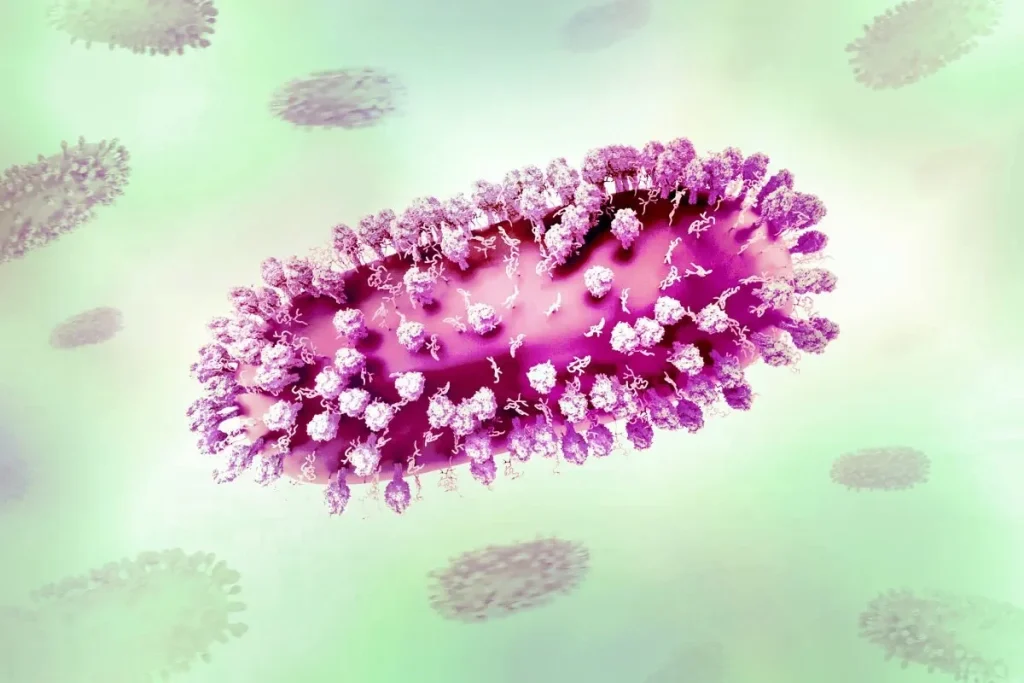
Why a Long-Acting Monoclonal Antibody RSV strategy Matters
Unlike vaccines that train the immune system to produce its own defenses, a monoclonal antibody RSV product like nirsevimab delivers ready-made antibodies directly into an infant’s bloodstream. A single dose can protect for an entire RSV season, which typically runs from May through October in Panama. Global health bodies, including the Pan American Health Organization, have recommended such interventions for all infants in settings with high disease burden. Countries like Chile and Uruguay have already secured supplies and started immunizing newborns during the seasonal peak, while Panama’s medical societies worry the country is falling behind.
The current strategy leans heavily on vaccinating expectant mothers between 32 and 36 weeks of gestation, a method that requires timely prenatal care and leaves a gap for women who deliver early or miss the window. A monoclonal antibody bypasses those variables entirely. It can be given to any infant, regardless of birth timing, and starts working within hours. The societies’ call to prioritize protection before hospital discharge for high-risk newborns underscores the practical advantage: no follow-up appointment needed, no delayed immunity, just a shot in the arm before the baby goes home to face a virus that’s already circulating widely.
Calls for Transparent Data and a National Technical Table
Beyond the push for a new antibody product, the medical coalition is demanding that health authorities turn on the data spigot. Weekly public reports on vaccination coverage and RSV hospitalizations, broken down by region, would allow clinicians and local officials to see where the virus is surging and which communities remain underprotected. The societies specifically want to see the preventive measures funneled first to the provinces with the highest disease burden, a point that echoes long-standing equity gaps in Panama’s healthcare delivery.
The pronouncement also proposes the creation of a national technical table that would seat Ministry of Health officials alongside CSS representatives and the signatory scientific societies. This working group would define the exact steps for implementation, monitor outcomes, and adjust the strategy in real time. Nearly every line of the proposal ties back to a single idea: that good intentions and purchased doses don’t save lives unless they reach the right children at the right moment. With thirteen families already mourning losses in 2026, the clock is ticking louder than ever.

Panama’s RSV Battle in a Regional Context
Panama’s struggle mirrors a wider Latin American challenge. RSV is estimated to cause over 3.5 million hospital admissions globally each year among children under five, with a disproportionate share in middle-income countries where ICU beds are scarcer. The arrival of long-acting monoclonal antibodies has reshaped prevention guidelines from the World Health Organization and prompted countries like Argentina and Brazil to explore incorporation into national immunization schedules. Panama’s own maternal vaccination program placed it among the early movers in the region, yet the medical societies’ statement suggests that step alone isn’t enough.
The push for a dual approach, combining maternal immunization with infant monoclonal antibody protection, reflects an emerging consensus in pediatric circles. Relying on a single line of defense leaves too much to chance, especially when viral seasons turn unpredictable and healthcare access remains uneven. As the technical table proposal moves toward the desks of ministry officials, the wager is that transparent metrics and a swift antibody rollout can change the trajectory before next season’s peak. For parents of infants breathing tubes and oxygen masks right now, that change can’t come fast enough.
The call to action is now on the authorities’ desks. With the virus already circulating at dangerous levels and a clear set of evidence-based requests in hand, the government’s next moves will determine whether 2026 becomes a turning point for Panama’s littlest patients or a season remembered for what wasn’t done.