


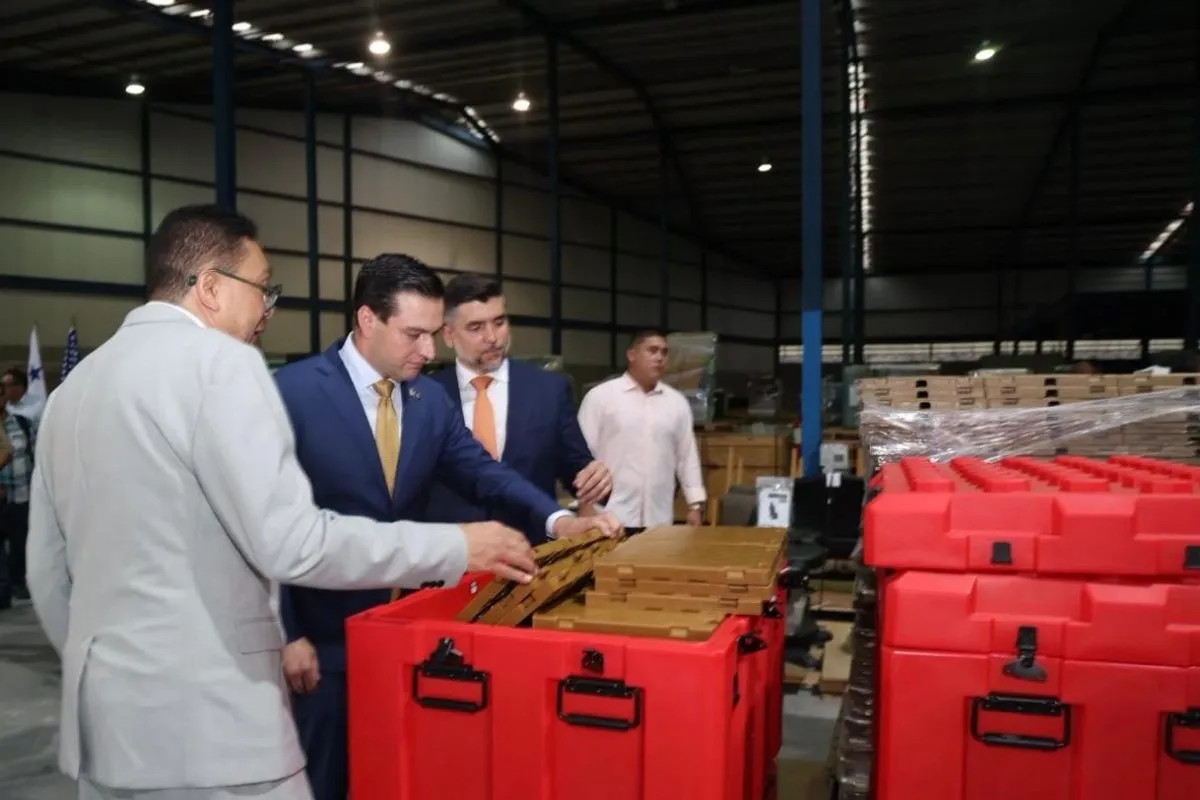
A shipment of hospital tents, portable flooring systems, and protective medical supplies worth more than one million dollars arrived in Panama this week. The delivery represents a major boost in US emergency equipment for the country’s mobile medical response network. During the official handover ceremony, US Ambassador Kevin Marino Cabrera stood beside Panamanian health ministry officials and made the scale of the donation clear.
‘We are delivering more than one million dollars in equipment. As you have seen, these are tents, chairs, containers, and floors for portable tents, which, if they are in the field, can have a portable floor’ [Translated from Spanish]
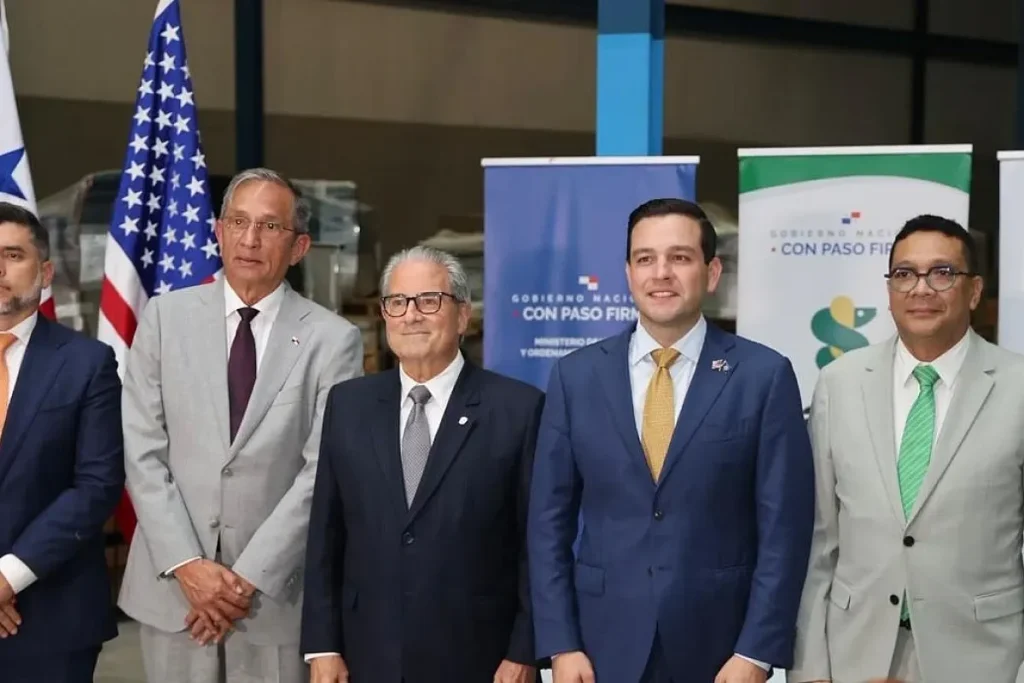
US Emergency Equipment Strengthens Mobile Hospital Capabilities
The donation package includes over $375,000 in protective cases and flooring systems alone. These components directly enhance the operational readiness of mobile hospitals managed by Panama’s Ministry of Health, known locally as Minsa, and the Social Security Fund, or CSS. Portable flooring might sound like a minor detail, but for field hospitals deployed on muddy or uneven terrain, it transforms a basic tent into a functional clinical space. Representatives from Minsa, CSS, and the Ministry of Housing and Land Management all attended the handover, signaling a coordinated institutional response to disaster preparedness.
Ambassador Cabrera stressed that the equipment serves a practical purpose beyond symbolism. When emergencies strike, whether natural disasters or public health crises, the ability to rapidly deploy fully equipped medical facilities makes a tangible difference in patient outcomes. The tents, chairs, and containers delivered through this program allow Panamanian agencies to set up treatment areas, triage centers, and temporary shelters within hours of an incident. This latest consignment builds on a pattern of deepening health cooperation between Washington and Panama City.
A Rapidly Expanding Humanitarian Budget Signals Broader Commitment
Behind the delivery of tents and medical kits lies a dramatic shift in funding. Ambassador Cabrera revealed that the US budget for security and humanitarian assistance in the region jumped from $10 million last year to $100 million this year. That is a tenfold increase. He did not break down exactly how much of that $100 million will flow directly to Panama or specify the distribution mechanisms, but the direction of travel is unmistakable. Resources are pouring into health and emergency response cooperation at a pace rarely seen before.
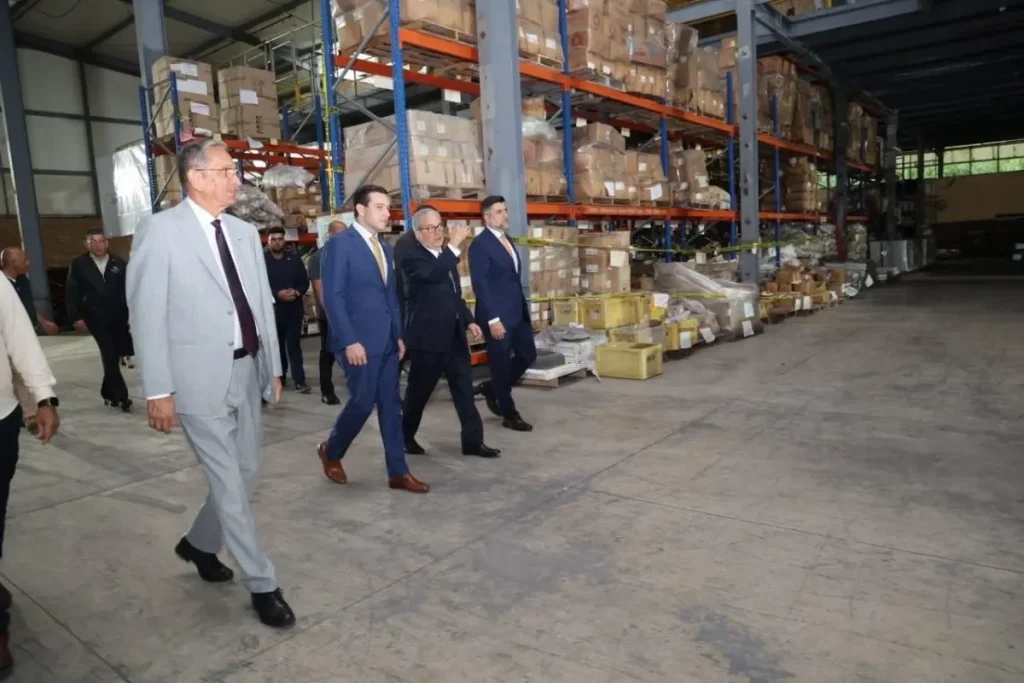
The funding surge aligns with a series of medical initiatives already underway. Earlier in the year, US military and civilian teams delivered 4,000 pounds of medications to Panamanian facilities. Surgical brigades have performed cataract operations, corneal transplants, pap smears, dental evaluations, and tooth extractions across public hospitals. A new polyclinic under construction in Coclecito, a rural community in Colón province, is scheduled for completion by late 2026. These projects fall under the “Together for Health” initiative, a banner program through which US military medical personnel have worked inside Panamanian public health facilities throughout the year.
Southcom, the US Southern Command, funds and coordinates much of this activity. The command’s humanitarian assistance portfolio in Latin America and the Caribbean has expanded steadily, reflecting a strategic emphasis on soft power and institutional capacity building. Panama’s geographic position and its role as a logistics hub make the country a natural focal point for these efforts.
Field Hospitals and Emergency Shelters Fill Critical Gaps
Panama faces recurring threats from floods, landslides, and seismic activity. Mobile hospitals and emergency shelters are not just theoretical assets, they are deployed regularly. When heavy rains swamp communities in Chiriquí or Veraguas, health facilities can become unreachable. Portable medical units equipped with proper flooring and protective gear allow doctors to continue treating patients without interruption. The newly donated containers and seating systems also support evacuation centers managed by the Ministry of Housing, giving displaced families a measure of dignity during stressful displacements.
Officials from Minsa noted that the protective case systems will extend the lifespan of sensitive medical equipment stored for emergency use. Moisture, insects, and rough handling during transport often damage supplies before they ever reach patients. Better storage and modular flooring reduce those losses significantly. The collaboration between multiple ministries at the handover ceremony underscored a whole-of-government approach to emergency management, one that US officials say they are eager to reinforce with continued material and technical support.
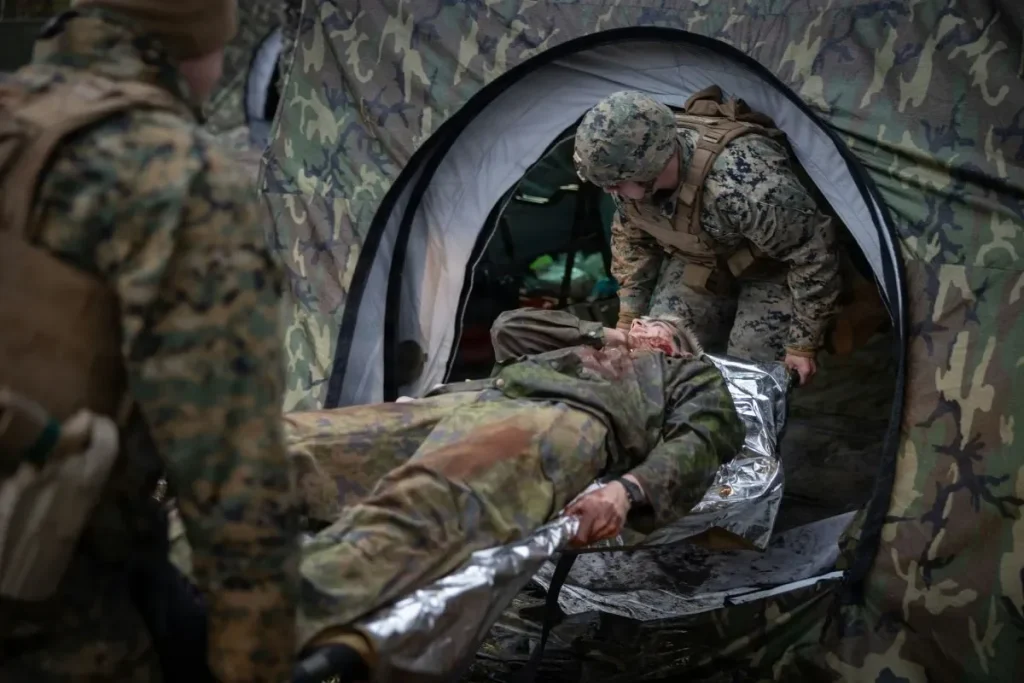
Health Diplomacy and Strategic Partnership in a Changing Region
The ambassador’s remarks placed the equipment delivery within a broader framework of partnership. He stated that the United States will keep showing up for its friends and partners in Panama. That language reflects a deliberate effort to frame security and humanitarian aid as mutual interests rather than unilateral charity. Health diplomacy has become a cornerstone of engagement in Central America, where public health infrastructure gaps can exacerbate migration pressures and economic instability.
The tenfold budget increase suggests that US planners see long-term value in strengthening Panamanian institutions. Surgery brigades, medication shipments, and now a polyclinic in Coclecito, these are cumulative investments. They build relationships with local health officials, create familiarity with US medical protocols, and leave behind physical infrastructure. For Panama, the influx of US emergency equipment and training means faster response times and better prepared frontline workers. The $100 million regional budget, even if only a portion lands in Panama, dwarfs previous years’ allocations and hints at sustained engagement.
The tents and flooring systems delivered this week will soon be packed into warehouses, ready for the next emergency. Their real value will be measured not in dollars but in the hours saved when a hospital tent goes up on solid, clean flooring in a flooded town. With the Coclecito polyclinic on track for a 2026 inauguration and mobile medical teams rotating through public facilities, the partnership shows no signs of slowing down. For Panamanian communities on the front lines of climate and health risks, that continuity matters as much as any single donation.