


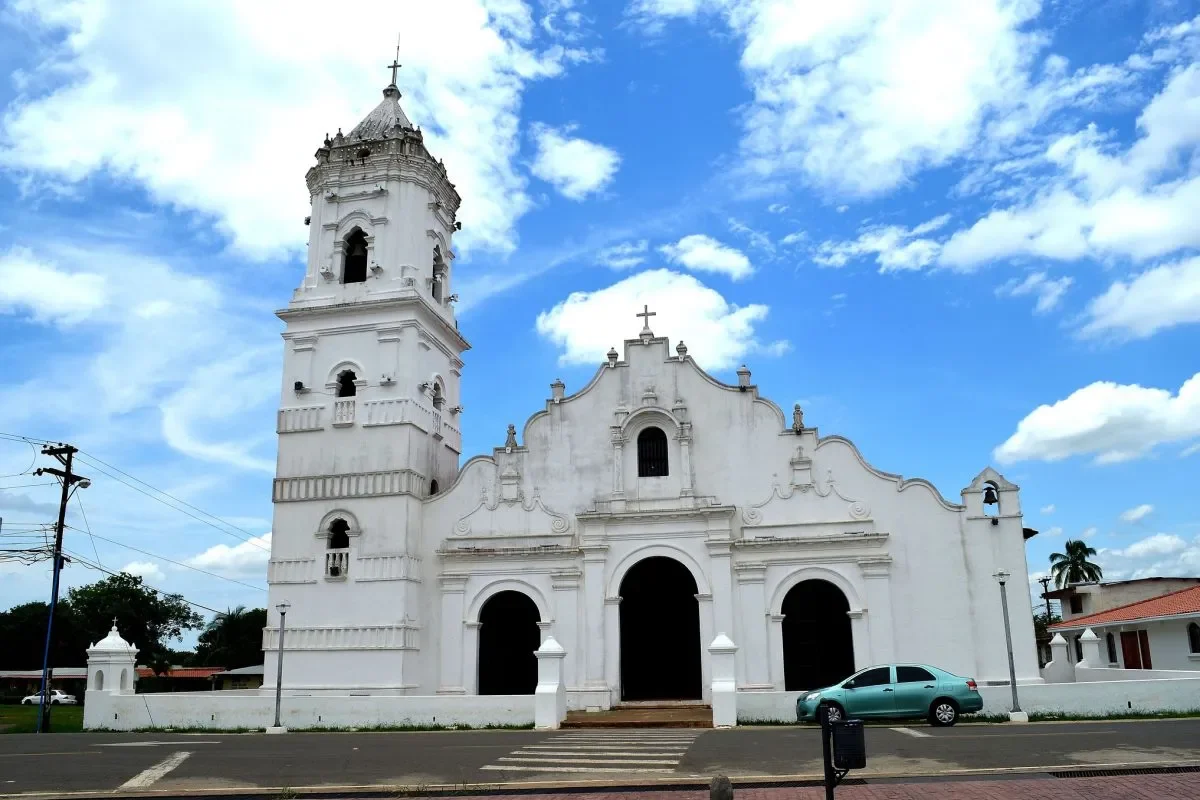
In the Coclé province town of Natá de los Caballeros, a colonial church that has remained active for worship for nearly five centuries will undergo a comprehensive technical evaluation. The initiative forms part of a wider historic church preservation effort led by Panama’s Ministry of Culture, known as MiCultura, to protect and enhance one of the oldest sacred buildings in the Americas.
Representatives from the religious community, civil society, local government, and heritage protection groups recently gathered to discuss future intervention needs. Officials described the meeting as a first step toward defining concrete conservation actions for the Basílica Menor de Natá de los Caballeros.
Historic Church Preservation Plan Takes Shape
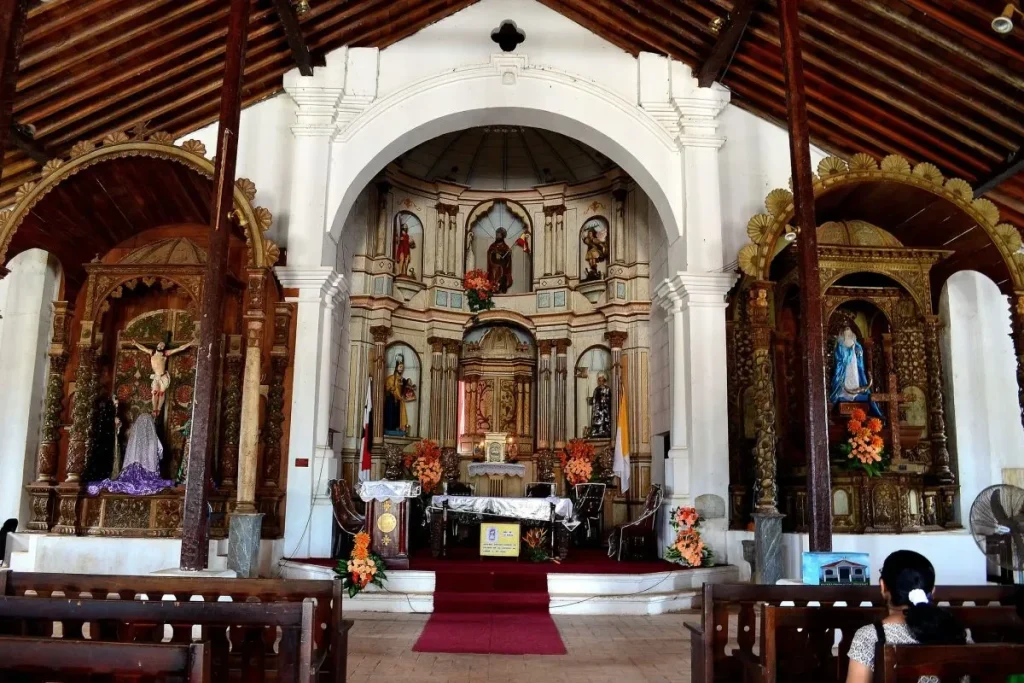
The Ministry of Culture, headed by Minister María Eugenia Herrera, is promoting a multidisciplinary inspection to produce a full diagnostic of the building’s condition. This technical review will guide the restoration priorities and ensure that the temple’s structural, artistic, and liturgical elements receive appropriate attention.
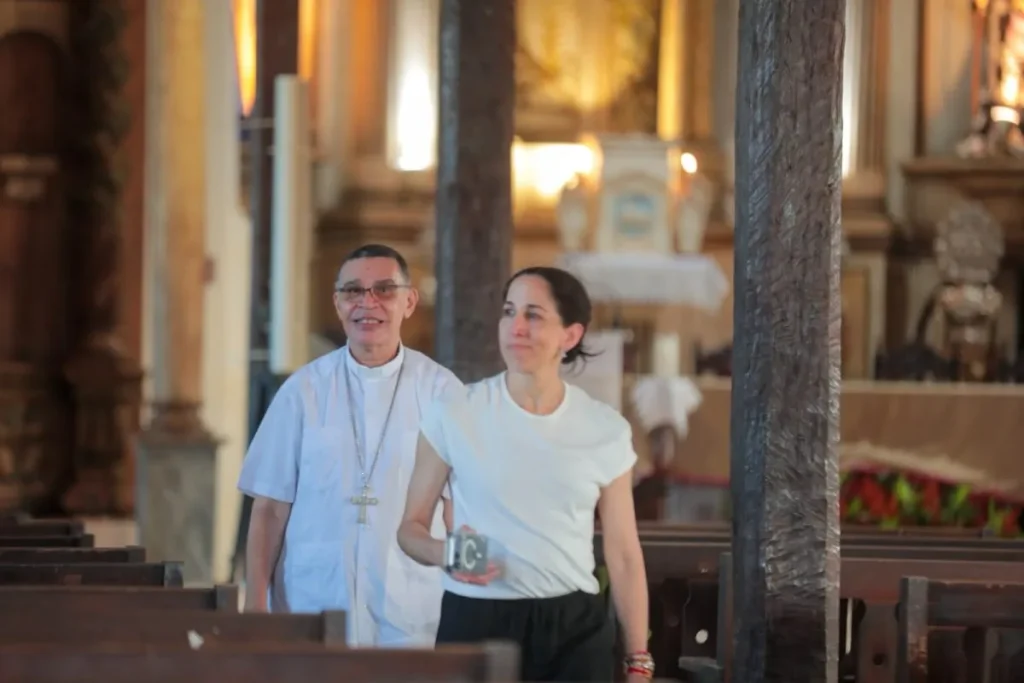
Preliminary work has already begun. Restoration architect Itzela Quiroz and heritage specialist Yamileth Stanziola joined ministry personnel for an initial walkthrough of the property. Their early observations will help identify the necessary tasks for the preservation process, according to ministry officials.
National Monument and Architectural Significance
The church in Natá, dedicated to the apostle James, is recognized as a National Historic Monument under Law 68 of 1941. Its legal protection acknowledges the building’s importance to Panama’s cultural heritage. The temple stands out for its historical, architectural, and religious value, drawing researchers and pilgrims interested in early Spanish America.
About 180 kilometers southwest of Panama City, Natá de los Caballeros has origins as one of the earliest Spanish settlements along the Pacific coast. The church remains a functioning place of worship, which makes preservation planning more sensitive because any intervention must balance heritage conservation with active community use.
Pontifical Recognition and Community Involvement
The historic church preservation process now sits alongside an effort to secure eventual recognition of the temple as a Pontifical Basilica. That push has added momentum to understand the current state of the building and its technical requirements. A pontifical designation would strengthen the church’s ties to the Vatican and could increase its profile among religious travelers and heritage tourists.
Local authorities and civil society groups have participated in discussions about the proposed intervention. Their involvement reflects broad interest in maintaining the church as both a spiritual center and a landmark of Panamanian identity. Ministry officials said these conversations are essential for aligning conservation goals with community expectations.
Next Steps and Restoration Priorities
The comprehensive diagnosis will gather information on the building’s physical condition, materials, and areas requiring urgent attention. A multidisciplinary team is expected to coordinate with religious leaders to avoid disruptions to worship activities. The ministry’s goal is to preserve and enhance the historic property through a technically grounded plan.
Future stages will move from assessment to defined interventions, with heritage specialists involved at every step. For Natá, the effort represents an opportunity to protect a colonial landmark while preparing it for greater national and international visibility. The diagnosis results will likely shape the timeline and budget for what could become one of Panama’s most significant heritage restoration projects in recent years.