


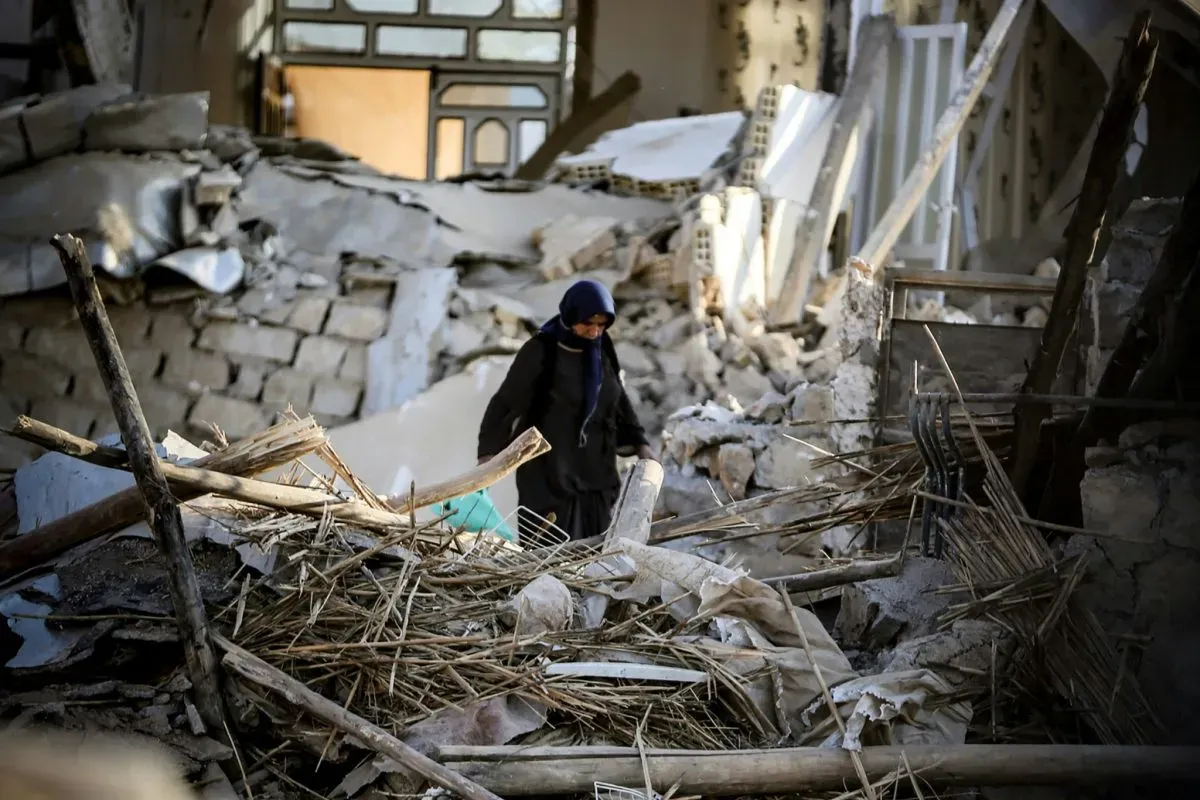
Colombia felt the ground shake violently on August 10 when a magnitude 7.4 earthquake struck. Ten days later, central Peru recorded another significant tremor. Costa Rica then experienced noticeable seismic movements this Monday. The rapid succession has left many wondering whether in Panama more earthquakes could be part of an alarming new pattern. Scientists who monitor these events say the data tells a different story, one that remains firmly within historical norms.
More Earthquakes in Panama within Global Statistical Context
The Institute of Geosciences at the University of Panama keeps a close watch on worldwide seismic data. Their records show that 2024 produced 15 earthquakes measuring between 7.0 and 7.9 magnitude. The year 2025 matched that figure exactly. And in the opening months of 2026, 11 earthquakes have already fallen within that same range. These numbers don’t suggest any unusual spike, according to the institute’s director, Néstor Luque.
“At a global level, we remain within the statistics or average of what normally occurs in the world. When there is a large magnitude event, it will generate a lot of aftershocks, because they will continue to adjust due to that vibration of large amounts of energy” [Translated from Spanish]
Luque’s explanation points to a common misunderstanding about how seismic sequences work. A major earthquake naturally produces dozens of aftershocks as the earth’s crust settles into its new configuration. This can make activity seem more intense than it actually is, particularly when multiple regions experience events within a short window of time.
![The Pacific Ring of Fire, with trenches marked with blue lines By Gringer (talk) 23:52, 10 February 2009 (UTC) - vector data from [1], Public Domain, https://commons.wikimedia.org/w/index.php?curid=5919729](https://expat-times.com/panama/wp-content/uploads/2026/08/ring-of-fire-1200x800-1.webp)
Pacific Ring of Fire Drives Seismic Activity
The geographic explanation behind this regional clustering lies deep beneath the Pacific Ocean. Latin America’s western edge sits along the Pacific Ring of Fire, a massive tectonic zone where several of Earth’s plates collide, grind past each other, and occasionally snap. These interactions store enormous quantities of energy over decades or even centuries. That energy releases suddenly when the accumulated stress exceeds the rock’s capacity to hold it.
“In this case, with those plates is where there is the greatest amount of force that accumulates over time and then they release that energy when the limit is reached. It is a tectonically active area, which is why these earthquakes occur” [Translated from Spanish]
Luque emphasized that this release represents the natural behavior of tectonic plates rather than a warning sign of something larger approaching. The Ring of Fire stretches roughly 40,000 kilometers around the Pacific basin, touching the coasts of Chile, Peru, Colombia, Central America, Mexico, the United States, Japan, and Indonesia. Seismic activity concentrated in this zone reflects geology, not anomaly.
Early Warning Technology Offers Detection Without Prediction
Every significant earthquake triggers the same fundamental question from the public. Can scientists tell us when the next one will arrive? The straightforward answer remains no. Current science cannot predict the exact day, time, location, or magnitude of a future earthquake. No method exists that can peer into the earth’s crust and identify when accumulated stress will reach its breaking point.
What technology can do is detect an earthquake almost instantly once it begins. Early warning systems use networks of seismometers to identify the initial, faster-moving seismic waves and send alerts before the slower but more destructive waves arrive. Those precious seconds can save lives by allowing people to take cover, stop trains, halt surgeries, and shut down critical infrastructure. Panama has been exploring the acquisition of Google’s earthquake alert system, a tool that leverages smartphone sensors to provide similar warnings. Officials have noted that Panama sits within a zone of significant seismic activity on the planet.
Panama’s Local Seismic Outlook Remains Stable
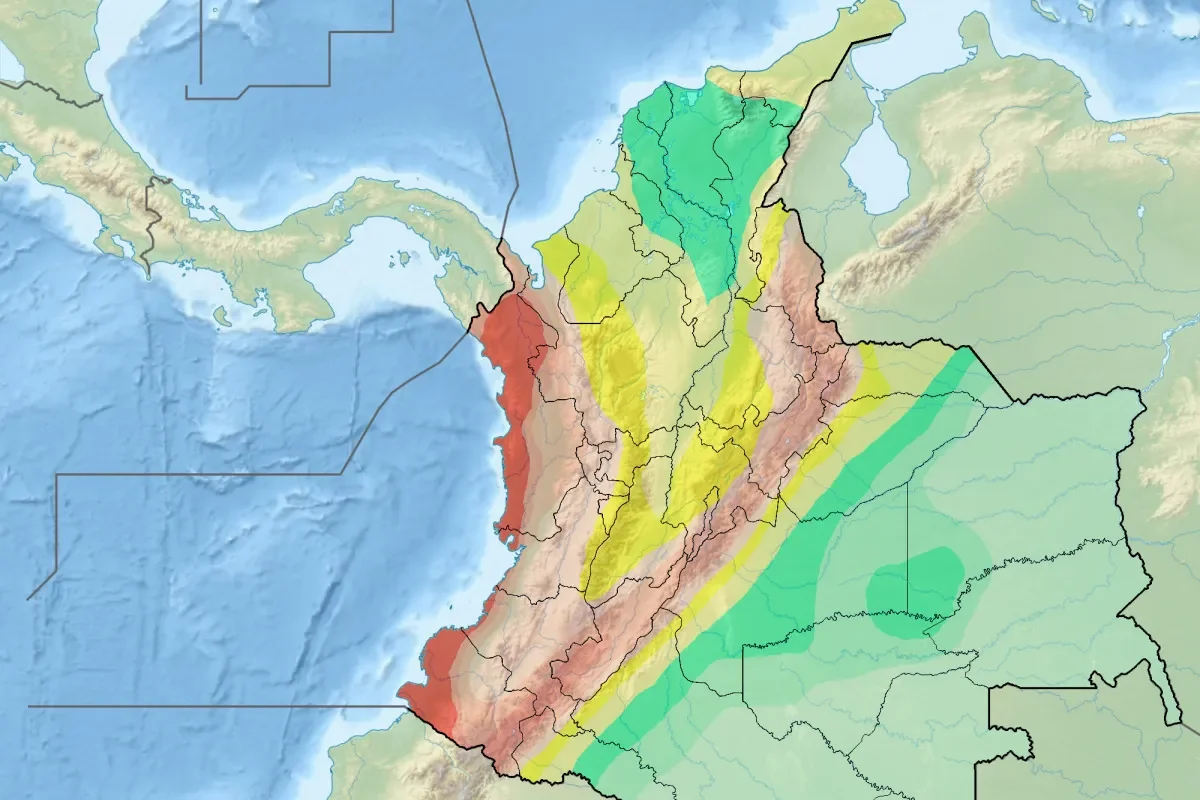
Within Panama’s own borders, recent seismic movements have stayed within expected parameters, according to the Institute of Geosciences. The country experiences lower seismic activity compared to some of its neighbors along the Ring of Fire, yet it still faces exposure from the interaction of tectonic plates and active geological structures. The Cocos Plate and the Nazca Plate both influence the region’s seismic character.
The recent string of earthquakes across Latin America may feel alarming, but scientists urge calm. The statistical record, the geological explanations, and the current monitoring data all tell the same story. More earthquakes than the historical average are simply not occurring in Panama, according to the available data. The earth’s tectonic machinery is working as it always has, releasing energy where plates meet and reminding humanity of the powerful forces beneath our feet.