


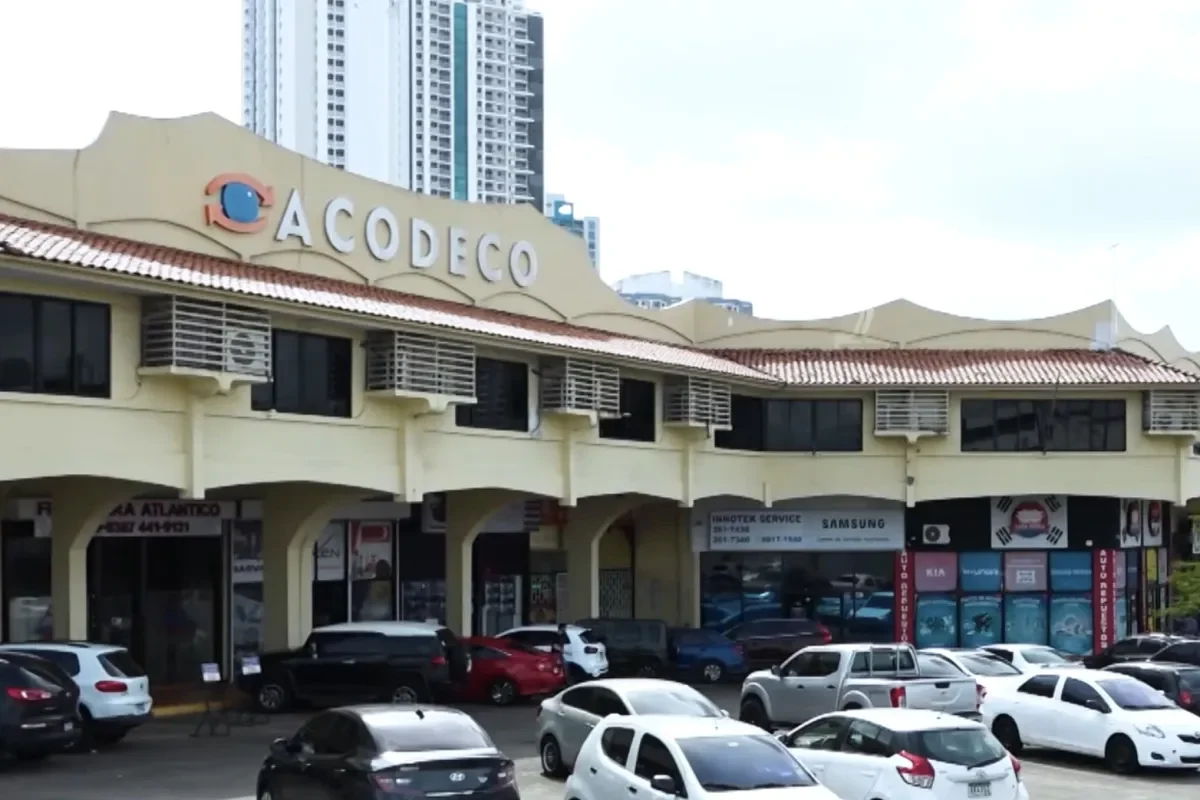
Panama’s long-running system of government-imposed price regulation appears to be entering its final days, with only four essential food items still subject to maximum price caps as of early 2025. Ramón Abadi, director of the Consumer Protection and Competition Defense Authority (Acodeco), told the National Assembly’s Budget Commission that the program is close to disappearing altogether.
“Price regulation is practically extinct; we have four products left under price controls and very possibly they will no longer exist by year’s end,” Abadi said [Translated from Spanish]
That statement came during a hearing where officials evaluated the shrinking scope of price controls, a policy that has shaped grocery bills for Panamanian households for decades. The comment signals that a full dismantling of price caps could arrive before December 31.
The Final Four Products Under Price Regulation
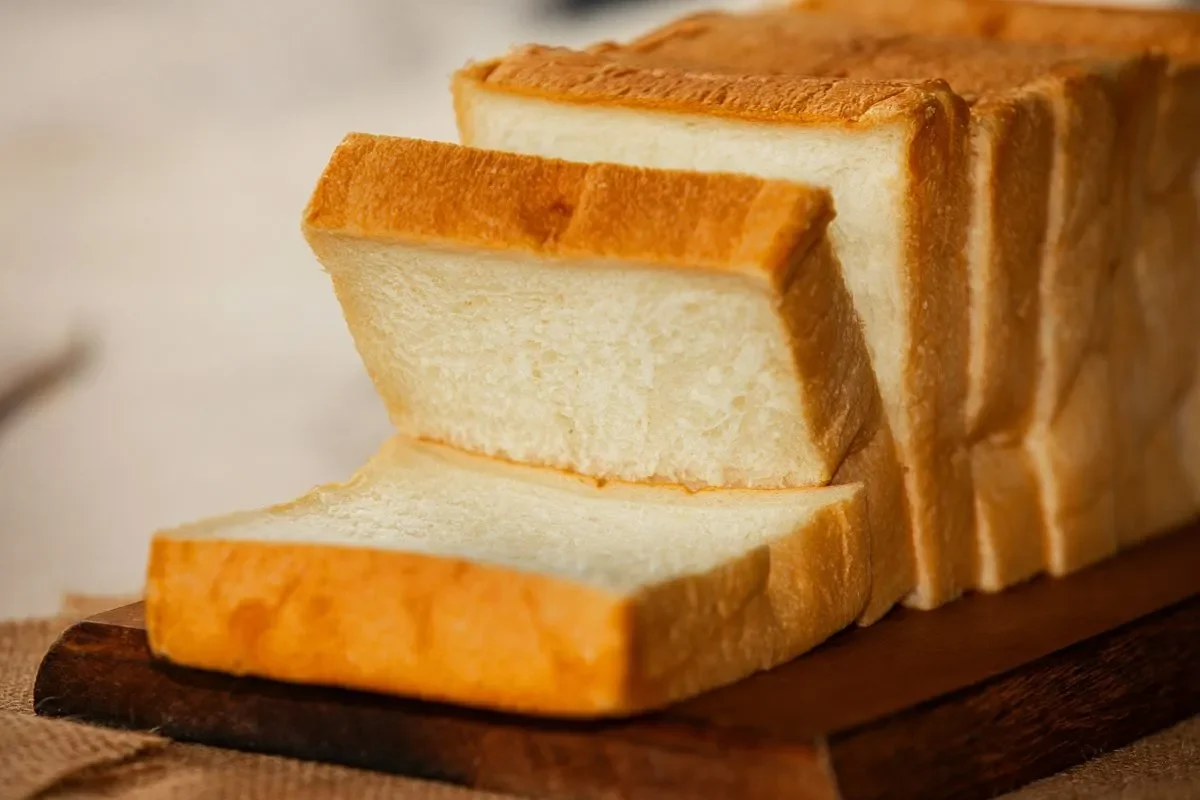
The items that still carry official maximum prices are ground beef, vegetable oil, powdered milk, and white sandwich bread. Ground beef of first quality remains capped at $2.15 per pound, which equals $4.74 per kilogram. Palm or soybean vegetable oil sold in containers ranging from 1.42 to 1.5 liters has a ceiling of $3.74. Whole or instant powdered milk in packages between 345 and 400 grams, excluding infant formulas, cannot exceed $3.76. White sandwich bread in 14 to 18 ounce packages, excluding whole wheat and specialty varieties, is priced at no more than $0.92.
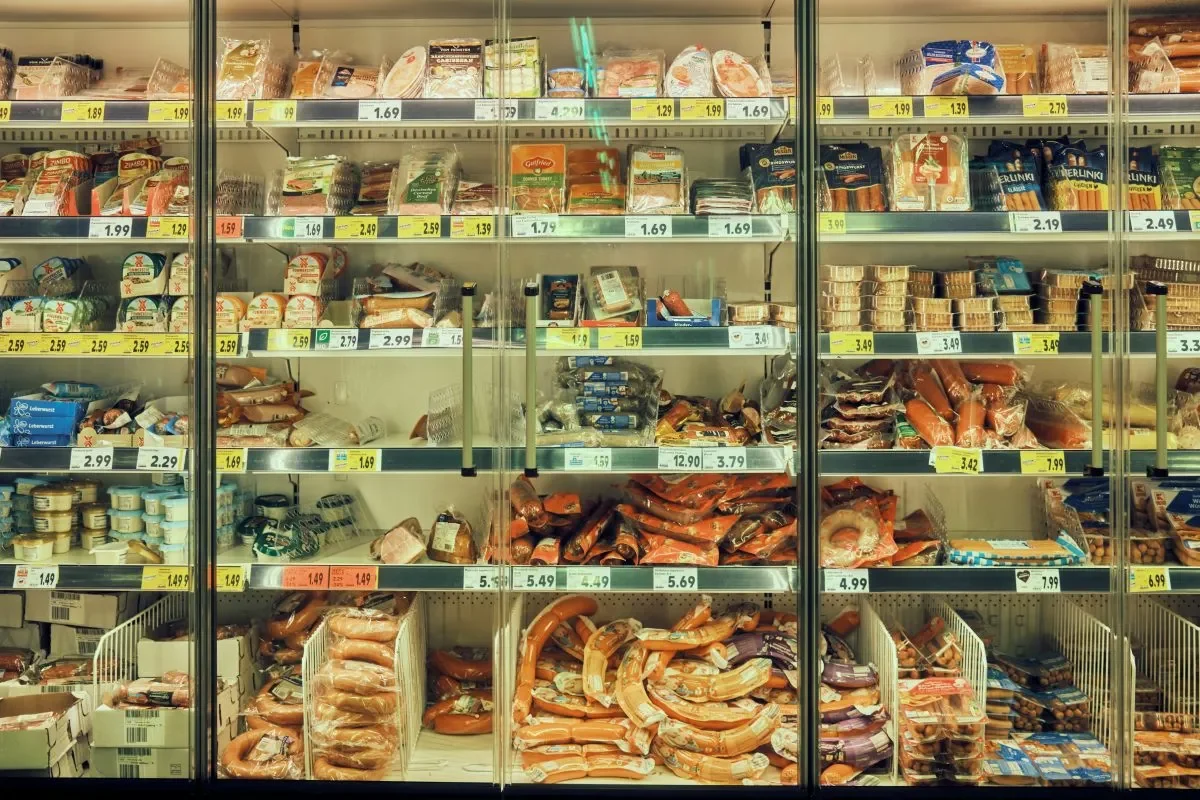
Despite these official caps, the regulated products are becoming increasingly hard to find on supermarket shelves. Abadi’s acknowledgment that price regulation is almost extinct matches the reality that retailers have largely moved away from stocking items with tight price ceilings. The four remaining products still exist on paper, but their presence in commercial establishments has dwindled significantly over recent months.
Who Actually Benefited from Price Regulation
Consumer advocates say the impact of price regulation was never uniform across income groups. Giovanni Fletcher, from the Panamanian Institute for Consumer Rights Defense, explained that the measure had its strongest effect among the poorest segments of the population, but it failed to reach many other consumers because regulated goods were often unavailable.
“The measure did have an impact, relatively speaking, on those people below the economic level of poverty or extreme poverty; the rest of the population, quote unquote above the poverty or extreme poverty level, or within the almost extinct middle class, the measure didn’t work for them because when they got to the supermarket shelves they couldn’t find it,” Fletcher said [Translated from Spanish]
That gap between official price caps and actual product availability undermined the broader goals of price regulation. Shoppers who could afford to buy alternatives or shop at different stores were less exposed to shortages, but lower-income families often had fewer options and still struggled to locate the four regulated items.
The Decision-Making Process Behind Ending Price Regulation
The authority to eliminate or maintain price regulation rests with the Ministry of Commerce and Industries (MICI). That agency coordinates and proposes executive decrees to price controls and commercial margins, relying on recommendations from the Price Adjustment Commission. Currently, the continuity of the four products still under regulation is being evaluated by these bodies.
Abadi‘s remarks suggest that the evaluation could conclude with the complete removal of price caps before the end of the year. While no formal decree has been announced, the director’s statement to lawmakers indicates that the operational reality of price regulation has already faded. The remaining legal framework is likely to follow the same path unless MICI decides to extend the protections one final time.
What the Shift Away from Price Regulation Means for Panama
Across Latin America, many governments have scaled back direct price controls over the past two decades as part of broader economic liberalization efforts. Panama’s movement away from price regulation aligns with that regional trend, although the policy had deep roots in efforts to protect vulnerable consumers from inflation on basic staples. Removing the last four caps would mark a definitive end to that era.
For Panamanian households, the practical effect could be mixed. Without maximum prices, the cost of ground beef, vegetable oil, powdered milk, and white bread may fluctuate more freely with market conditions. Low-income families who previously relied on finding these capped items may face new pressure if prices rise. At the same time, retailers could become more willing to stock a wider variety of these products if profit margins are no longer constrained by official ceilings.
Ultimately, Panama appears ready to close this chapter of economic intervention. The next few months will reveal whether MICI formally ends the remaining price regulation measures or allows them to expire quietly. Either way, the country’s grocery landscape is shifting away from the era of government-set maximum prices, leaving consumers to navigate a more market-driven system for some of their most basic food purchases.