



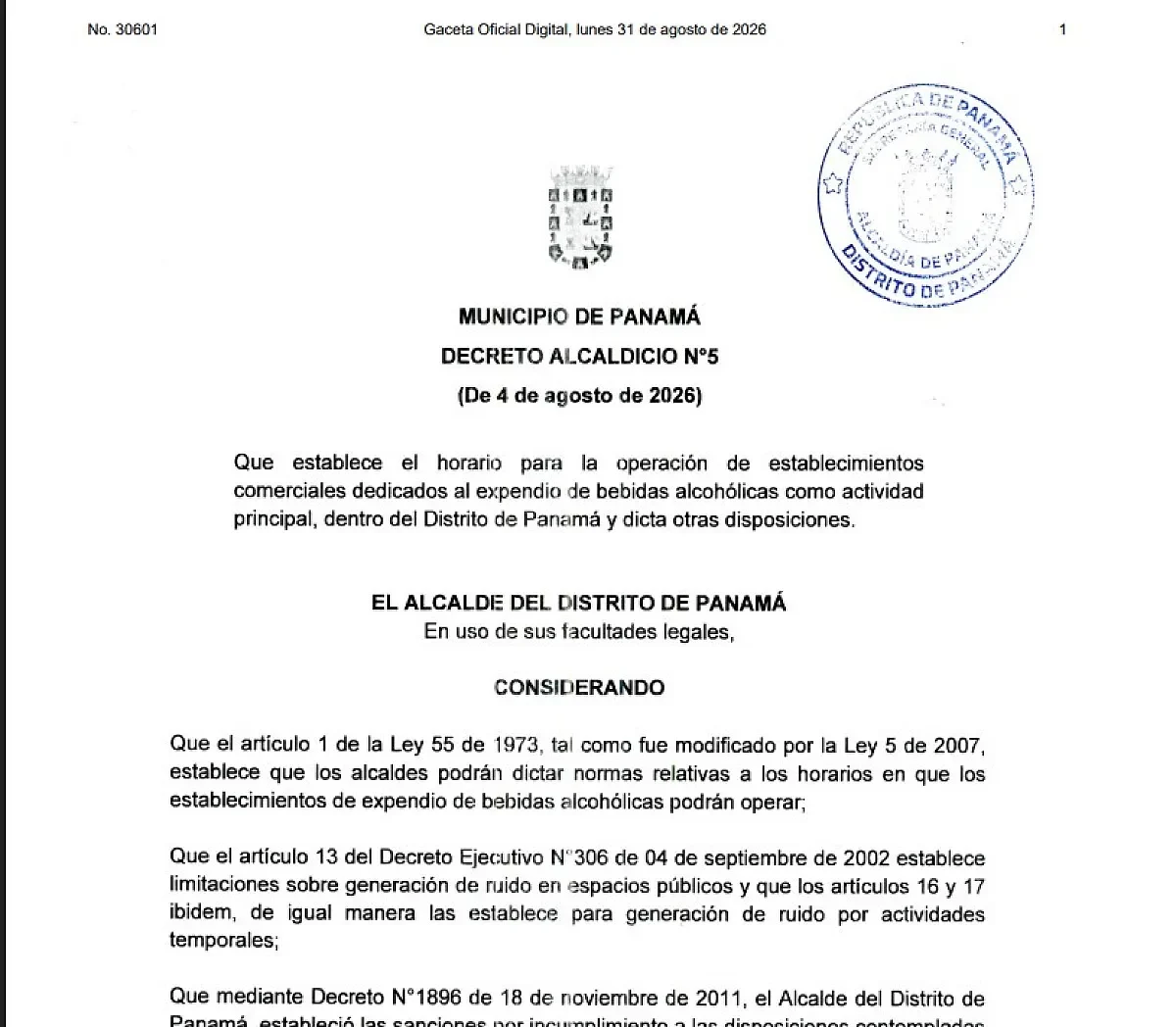
Business owners navigating alcohol sales Panama now face a clearer regulatory landscape after the Mayor’s Office of Panama City issued Decree No. 5 on August 4, 2026. The decree establishes distinct operating windows for establishments selling alcoholic beverages across the capital district, with implementation set to begin seven calendar days after its formal publication in the official gazette.
The new framework introduces a tiered schedule that separates weekday and weekend operations. From Sunday through Wednesday, licensed venues can serve alcohol between 9:00 a.m. and 3:00 a.m. The window expands on Thursday, Friday, and Saturday, when service may continue until 4:00 a.m. This approach reflects an effort to balance commercial vitality with residential quality of life in one of Central America’s busiest urban centers.
How Alcohol Sales Panama Regulations Affect Nightlife Operators
A critical provision in the new decree centers on the night permit requirement. Any establishment wishing to operate past 11:59 p.m. must hold a valid night permit, a stipulation that directly impacts the operational calculus for bars, restaurants, and entertainment venues across Panama City. The permit requirement effectively creates a two-tiered system, distinguishing daytime and early-evening operations from genuinely late-night establishments.
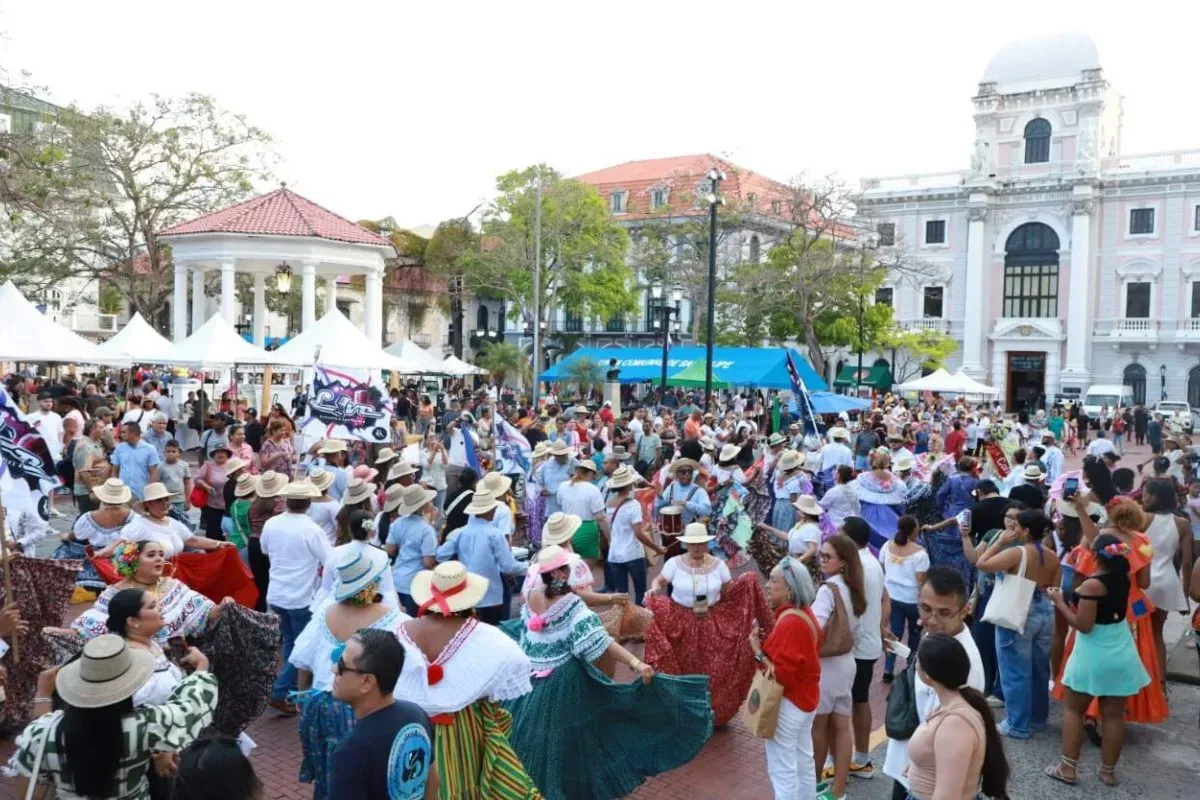
The timing of the decree carries particular weight given Panama City’s role as a regional tourism and business hub. Areas like Casco Antiguo and the Amador Causeway draw substantial international foot traffic, and their inclusion in the special provisions section of the decree signals an awareness of how different neighborhoods function economically and socially. The capital district hosts thousands of visitors annually, many of whom contribute to the late-night economy that the new rules aim to regulate without stifling.

Special Zones and Exemptions Under the Decree
The Mayor‘s Office carved out specific accommodations for certain high-traffic zones. Casco Antiguo, the historic colonial quarter recognized as a UNESCO World Heritage site, receives distinct treatment under the new schedule. Similarly, the Calzada de Amador, a scenic causeway popular with tourists and locals alike, falls under the special provisions. Shopping centers spanning at least 100,000 square meters also qualify for adjusted hours, acknowledging their role as concentrated commercial destinations.
These special provisions suggest a deliberate urban planning approach rather than a one-size-fits-all restriction. By differentiating between dense residential neighborhoods and designated entertainment corridors, the municipal government appears to recognize that alcohol sales Panama regulations must accommodate varied urban contexts. The inclusion of large commercial centers further underscores this adaptive approach, as these complexes often house multiplex cinemas, restaurants, and entertainment venues that operate on extended schedules.
Compliance and Enforcement Priorities
Municipal authorities have made clear that enforcement will accompany the new schedule. Establishments must maintain valid operating permits and adhere to both national and municipal noise regulations, officials said. The Mayor’s Office committed to fiscal oversight, meaning businesses operating outside the prescribed hours or without proper documentation could face administrative consequences.
Noise compliance represents a significant component of the regulatory framework, particularly in areas where residential and commercial zones intersect. Panama City has grappled with sound-
complaints from residents living near entertainment districts, and the decree’s emphasis on noise standards suggests a coordinated effort to address those concerns while permitting commercial activity to continue. Business owners would be wise to audit their current permit status before the grace period expires.
Economic Implications for the Capital District
The extended weekend hours until 4:00 a.m. represent a potential economic advantage for venues that qualify for the later closing time. This provision acknowledges that Friday and Saturday nights generate disproportionate revenue for the hospitality sector, allowing operators to capture late-night demand while maintaining earlier closures during the workweek. Industry observers note that such tiered approaches have become increasingly common in Latin American capitals seeking to balance economic growth with civic order.
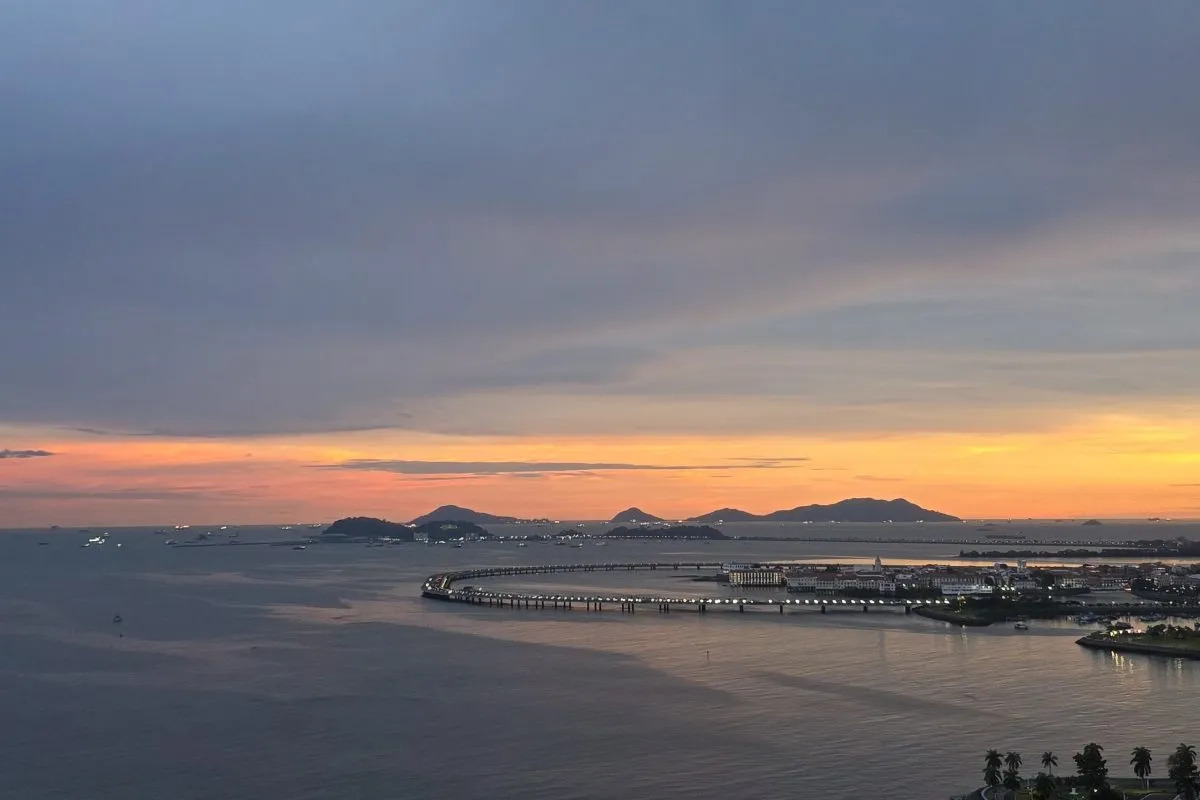
For tourism-dependent zones like Casco Antiguo and the Amador Causeway, the special provisions may help maintain their competitive positioning as nighttime destinations. These areas rely heavily on evening and late-night patronage, and their inclusion in the special hours category signals municipal awareness of their unique economic roles. The regulatory clarity also benefits prospective investors, who can now calculate operating costs and revenue projections against well-defined service windows.
As the enforcement date approaches, business associations and individual operators are expected to review their permits and internal protocols to ensure full alignment with the new requirements. The decree’s practical impact will become clearer once the adjusted schedules take effect and municipal inspectors begin their oversight work. What remains evident is that the capital district’s approach to governing alcohol sales Panama has entered a more structured and nuanced phase, one that recognizes both the economic importance of the hospitality sector and the legitimate expectations of urban residents.