


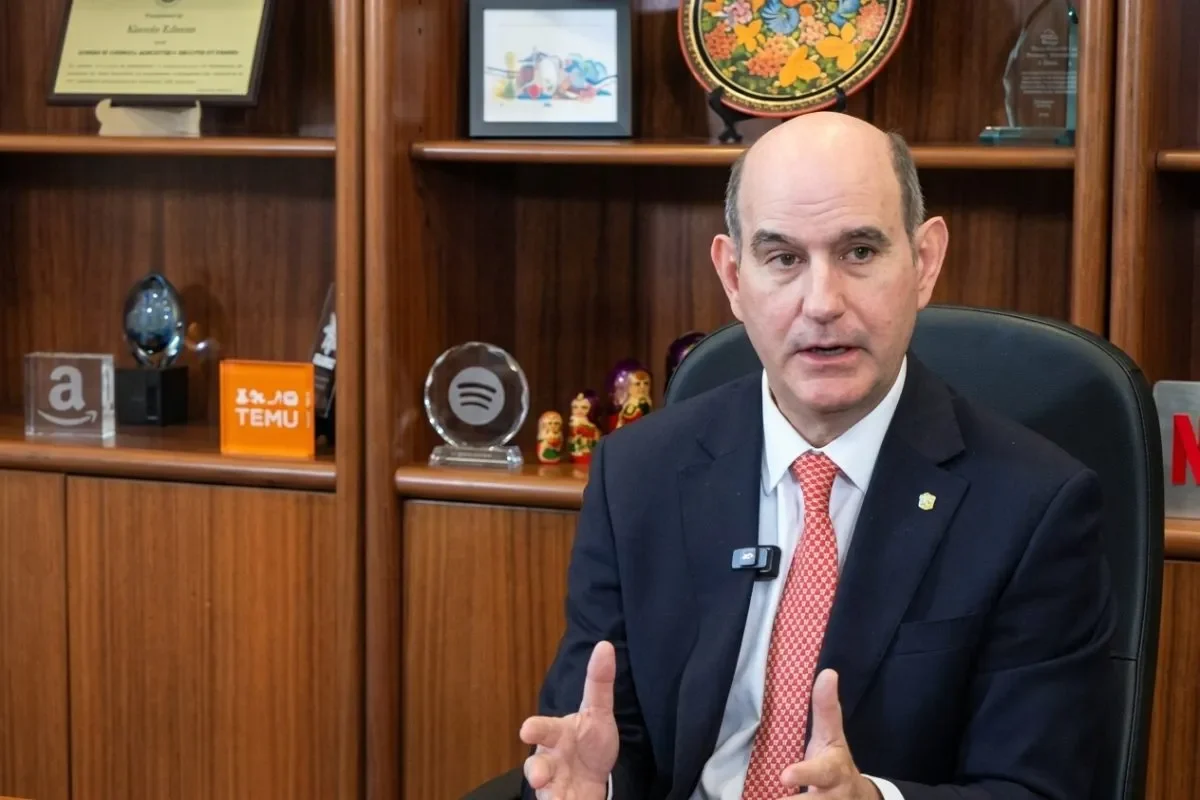
Panama City, October 9, 2026 – The Panamanian government estimates that a potential reopening of the Cobre Panamá mine in Donoso would generate more than $700 million annually in mining royalties Panama, according to statements made Thursday by Economy and Finance Minister Felipe Chapman. The figure, tied to copper price fluctuations, represents a substantial increase from previous fiscal arrangements and comes as the interministerial commission continues consultations over the mine’s future.
The mine has remained paralyzed since November 2023, when the Supreme Court declared its concession contract unconstitutional. Chapman emphasized that no final decision has been made and that the ultimate authority rests with President José Raúl Mulino.
Mining Royalties Panama Revenue Allocation Strategy
Chapman outlined a two-tier plan for distributing potential mining royalties Panama revenues during an interview with the program En Contexto. The initial priority would fund closure operations, estimated at less than $3 billion. Remaining funds would establish an environmental trust, as indicated by Environment Minister Juan Carlos Navarro, to restore affected areas and promote ecological investments nationwide.
“We could be talking about orders of magnitude of 700 million dollars or more” for the State annually, Chapman stated [Translated from Spanish]. The minister stressed that any future operation requires strict compliance with the Supreme Court ruling, the Constitution, and existing laws, alongside guarantees of substantially increased state revenues.
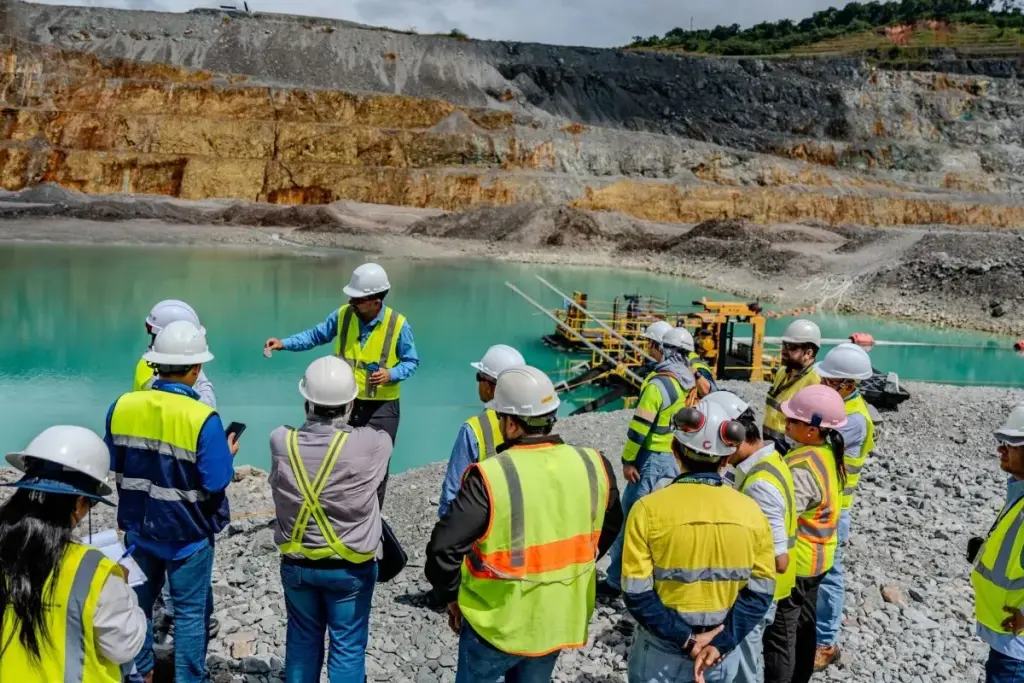
Interministerial Commission Presents Six Core Criteria
On Wednesday, October 7, the Interministerial Commission, comprising the ministers of Commerce and Industries, Economy and Finance, and Environment, presented six fundamental criteria to business associations Apede and CONEP. The framework prioritizes constitutional compliance, state ownership of mineral resources, self-financed closure without fiscal costs, public transparency, community welfare, and international oversight standards.
Commerce Minister Julio Moltó recommended evaluating a new relationship with the mining company that would resolve arbitration proceedings while permitting a defined operational period to sustain the site and finance its closure, without extension possibilities. Chapman warned that using public funds for closure costs would carry significant implications for national finances.
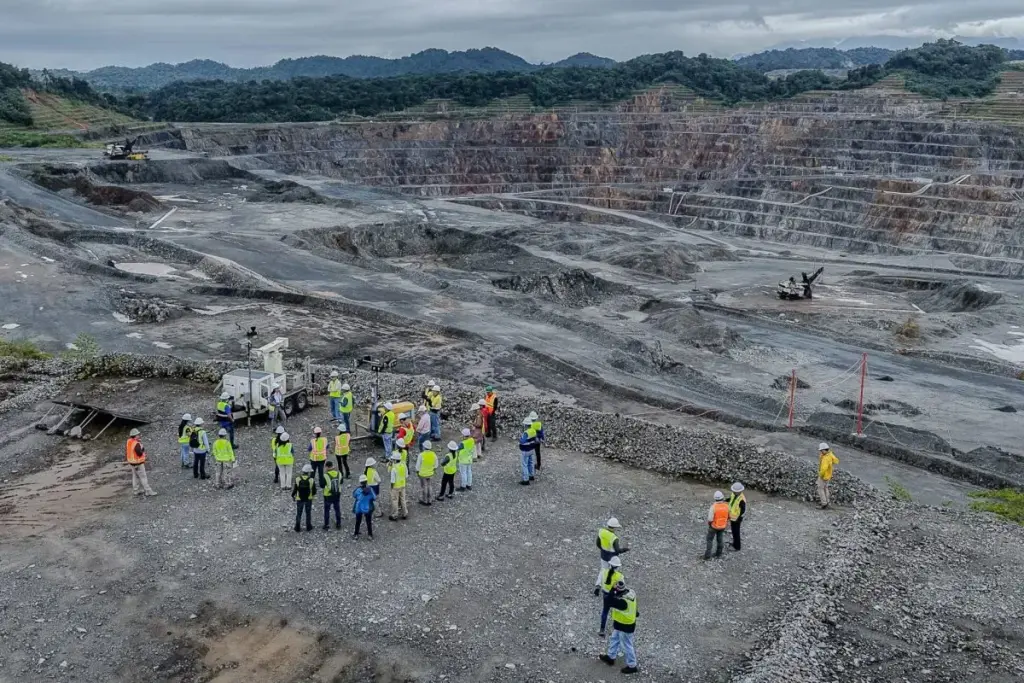
Arbitration Settlement and Environmental Restoration Requirements
Chapman identified a mandatory prerequisite for any reopening scenario: reaching a settlement agreement to dissolve ongoing international arbitrations. Speaking at the Latin American Trust Congress organized by Felaban and the Panamanian Banking Association, he reiterated the technical recommendation for an orderly, self-financed closure using revenues from remaining mineral extraction.
“Several issues are non-negotiable for the country,” Chapman affirmed, citing legal compliance, environmental recovery, and sustainable closure protocols [Translated from Spanish]. He added that operational revenues must reach affected communities that have historically received no direct financial benefits.
Navarro emphasized that temporary suspension of activities does not constitute an orderly environmental closure and advocated for a regulated program with citizen oversight. Business leaders from Apede welcomed the government’s openness to dialogue and technical transparency. The commission plans additional meetings with other sectors in the coming weeks.