


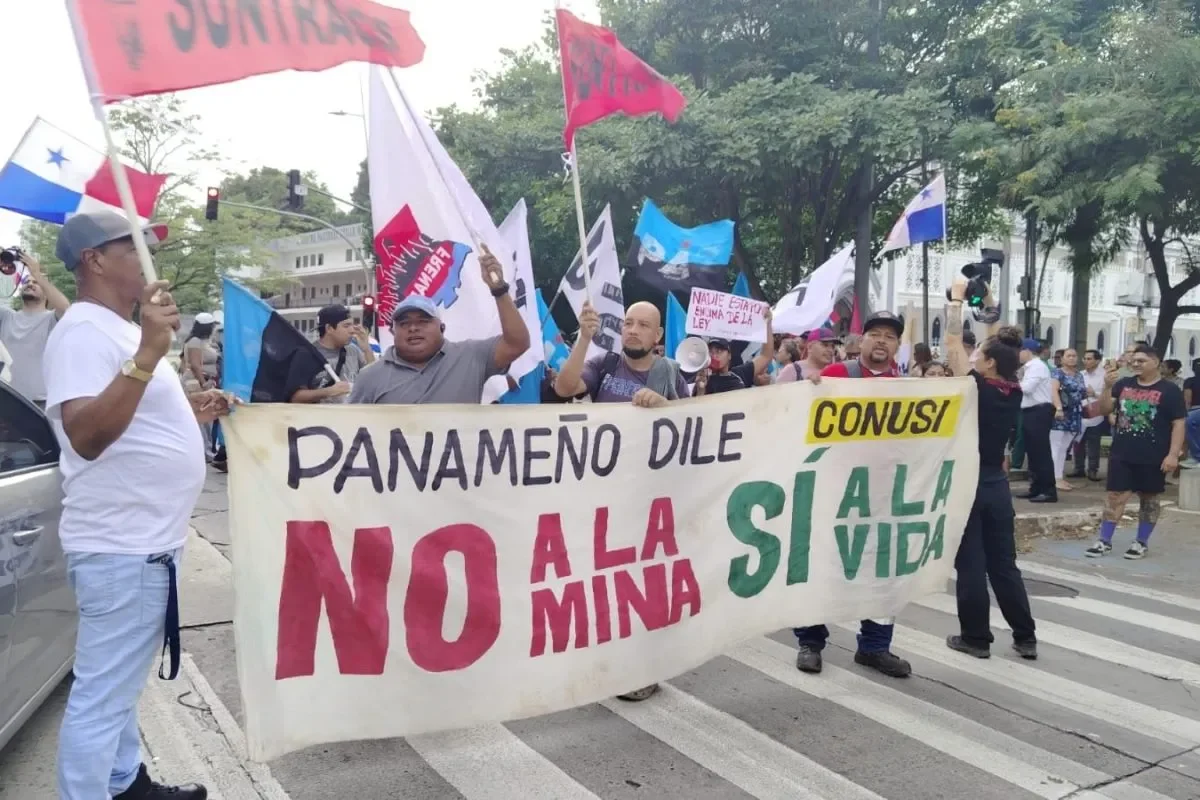
Panama City descended into renewed tension Wednesday as the mining conflict Panama thought it had buried in 2023 resurfaced with force. Economy and Finance Minister Felipe Chapman confirmed that formal negotiations with Minera Panamá will begin Monday, November 23, triggering immediate street protests from unions, environmental groups, and community organizations opposed to any mine reactivation.
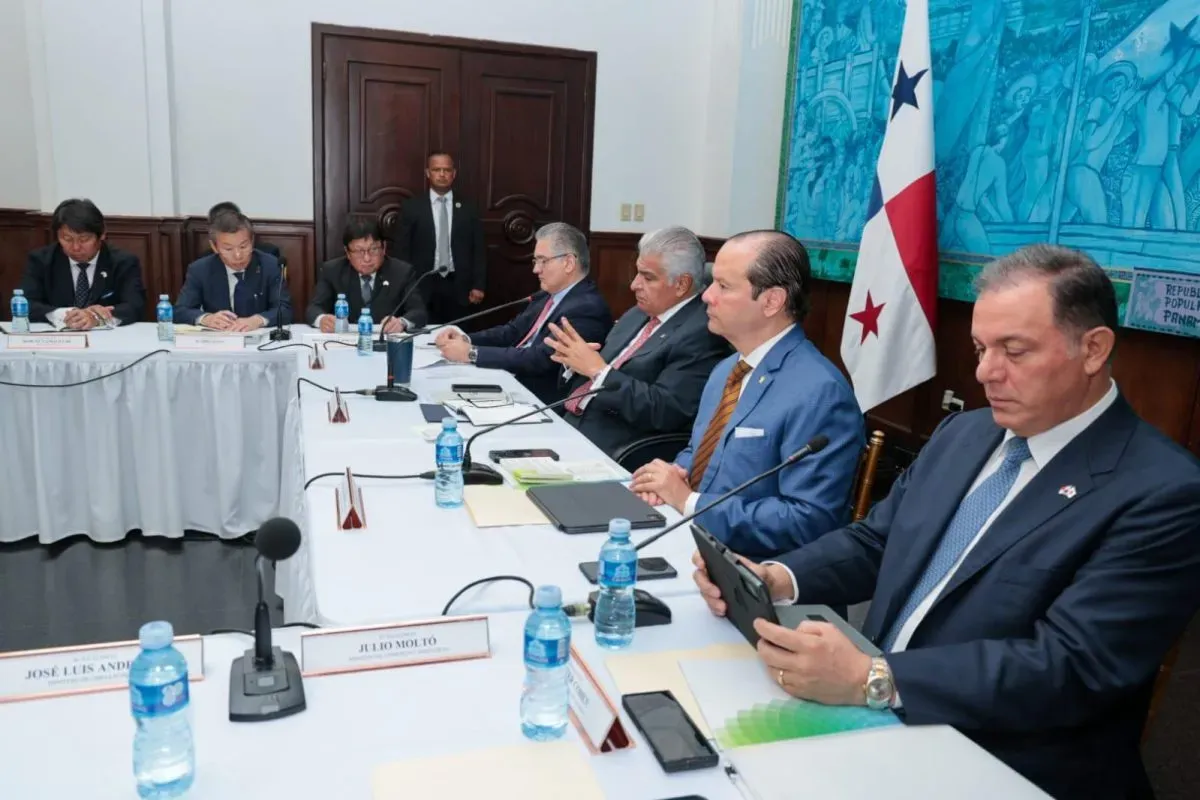
The announcement follows President José Raúl Mulino’s recent signal that his administration would consider reopening dialogue with the Canadian mining subsidiary. Commerce and Industries Minister Julio Moltó backed the move, stating that interministerial teams are coordinating logistics for the first meeting with company representatives.
COMENZÓ DE NUEVO LA LUCHA POR NO A LA MINERÍA CONTRA LA EMPRESA @MineraPanama Y SU CONTAMINACION EN LAS ÁREAS DE DONOSO PROVINCIA DE PANAMA @CAMIPAOFICIAL SEGÚN LOS #HATER ESTE GOBIERNO NO ACTIVADO LA ECONOMIA PARA TENER COMO REPUESTA ECONÓMICA LA MINERÍA PARA ESTE PAÍS 🇵🇦 https://t.co/2YHfTywenx
— BENDECIDO (@joseago75398018) November 18, 2026
Mining Conflict Panama Sparks Immediate Street Opposition
Demonstrators gathered Wednesday to reject the government’s decision before negotiators even sat down. The concentration drew popular organizations, labor unions, and environmental advocates who view any reopening as a betrayal of the 2023 protests that shut the operation down.
FRENADESO, the broad coalition that led those demonstrations, called on peasant, student, union, environmental, and community sectors to remain vigilant and strengthen unity. The group emphasized the constitutional right to organize and protest as tensions escalate ahead of next week’s talks.
The backlash revives memories of massive 2023 mobilizations that culminated on November 28, when the Supreme Court declared Minera Panamá’s contract unconstitutional. That ruling forced the mine’s closure and remains the central reference point for opponents who see no legal path to reopening.
Government Sets Non-Negotiable Conditions for Dialogue
Mulino has attempted to frame the talks within strict parameters. Any agreement must include a definitive, verifiable closure plan financed entirely by the company, with reforestation measures and environmental damage prevention protocols. The president stated the closure timeline will not be negotiable or subject to extension.
The government’s five principles establish that subsoil minerals belong to Panama, the country must receive maximum economic benefit, national sovereignty must be respected, and high environmental protection standards must be met. Constitutional and legal compliance remains non-negotiable.
Discussions will also address responsible water use, transparent mineral tracking, employment exclusively for Panamanian citizens, and termination of all arbitration proceedings against the Panamanian state. These conditions represent the government’s attempt to preempt criticism while exploring economic options.
Business Sector Responds as First Quantum Signals Willingness
The Chamber of Commerce, Industries and Agriculture of Panama (CCIAP) president Aurelio Barría insisted any decision must respect the Constitution. Barría noted that material currently processed at the mine and sold internationally generates revenue that helps cover ongoing operational costs at the site.
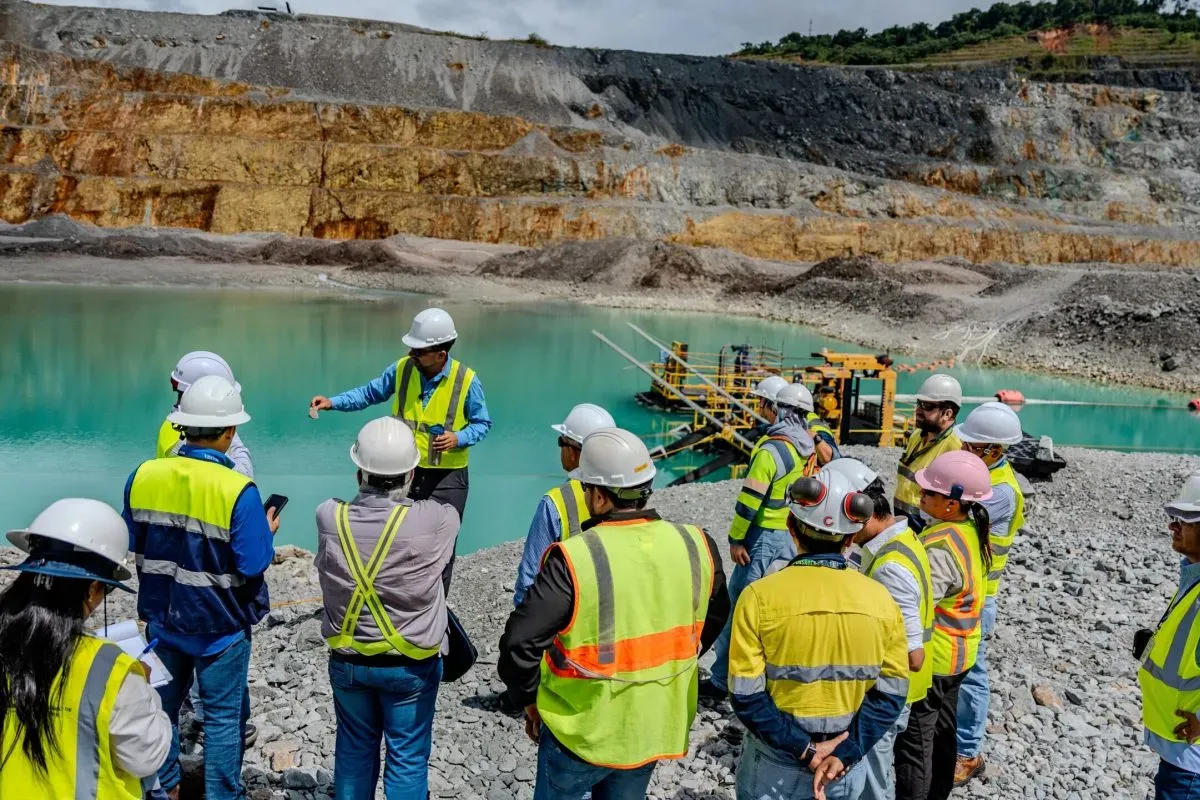
First Quantum welcomed the opportunity to participate in negotiations. The company indicated willingness to use the Interministerial Commission’s report and the government’s five principles as a reference framework for discussions.
The mining firm projects that reactivation could create 6,000 direct jobs, 30,000 indirect positions, and commercial opportunities for approximately 2,000 registered suppliers. These figures stand in stark contrast to the environmental and sovereignty concerns driving opposition.
The coming days will test whether the government can manage a negotiation process that satisfies business interests while addressing the deep social wounds that remain from 2023. Street mobilizations suggest the political cost of reopening the mine may outweigh any economic calculation.