


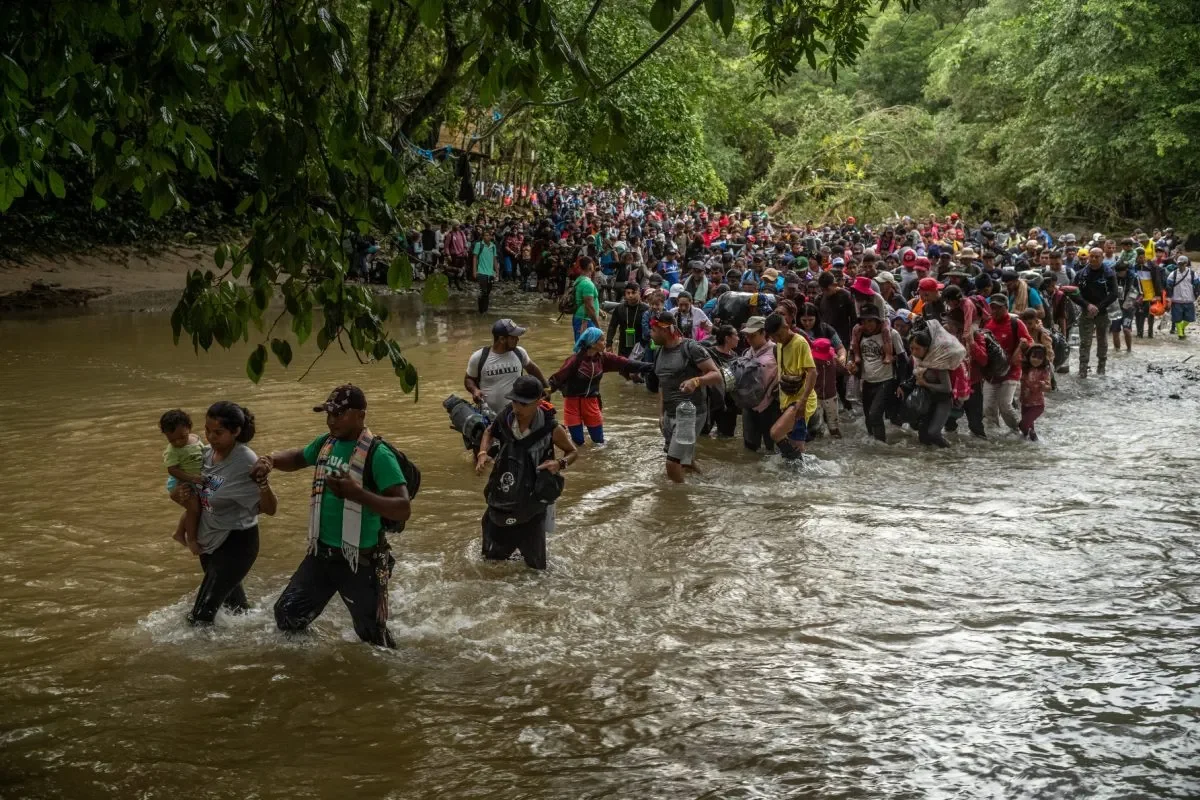
The Darien Gap migration corridor has collapsed to historic lows, with just 280 crossings recorded in the first half of 2026 compared to more than 201,000 during the same period two years earlier, according to new data from the International Organization for Migration (IOM). The dramatic shift marks a fundamental restructuring of human mobility across the Americas, as migrants abandon the treacherous jungle passage for alternative routes and reverse migration patterns.
The IOM presented its Regional Mobility Trends report on November 18 in Panama City, revealing that the traditional northbound flow through Central America has given way to a more complex web of movement. For the first time, the organization identified a third major migration corridor in Latin America, the Eastern South American Route, which now channels migrants from the Caribbean toward Brazil and the Southern Cone.
Darien Gap Migration Numbers Show Unprecedented Decline
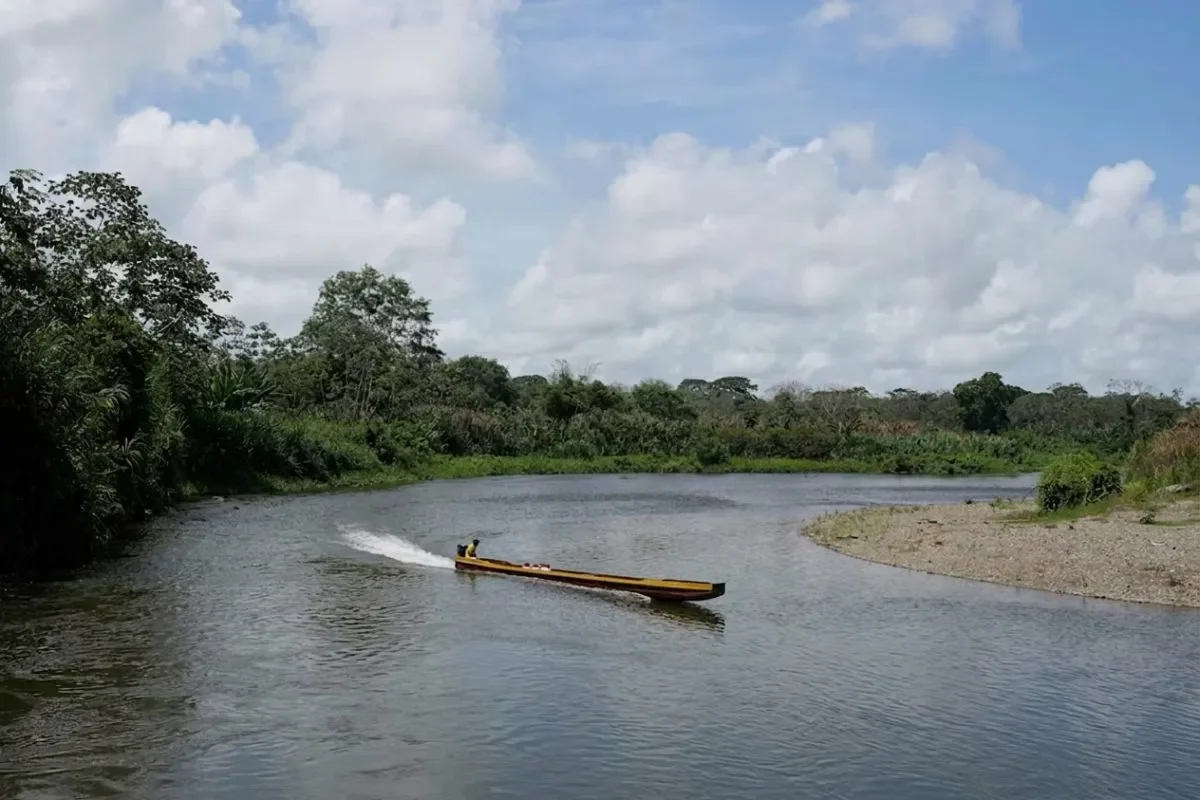
Panama’s crossing statistics tell a stark story of transformation. The 201,063 people who traversed the Darien during the first half of 2024 dropped to 2,927 in the same period of 2025, then fell another 90 percent to just 280 by 2026. The cumulative decline represents a 99 percent reduction in just 24 months.
Honduras reported a 75 percent drop in northbound flows between 2025 and 2026. Guatemala’s Displacement Tracking Matrix showed monthly movements falling from roughly 18,000 in 2024 to approximately 1,400 by June 2026, a decline exceeding 90 percent. But June brought a notable uptick in Panama, with 102 Darien crossings recorded, a 117 percent increase over the 2026 monthly average. Venezuelans accounted for 48 percent of those crossings, followed by Ecuadorians at 17 percent and Colombians at 16 percent.
Eastern South American Route Attracts Cuban Migrants
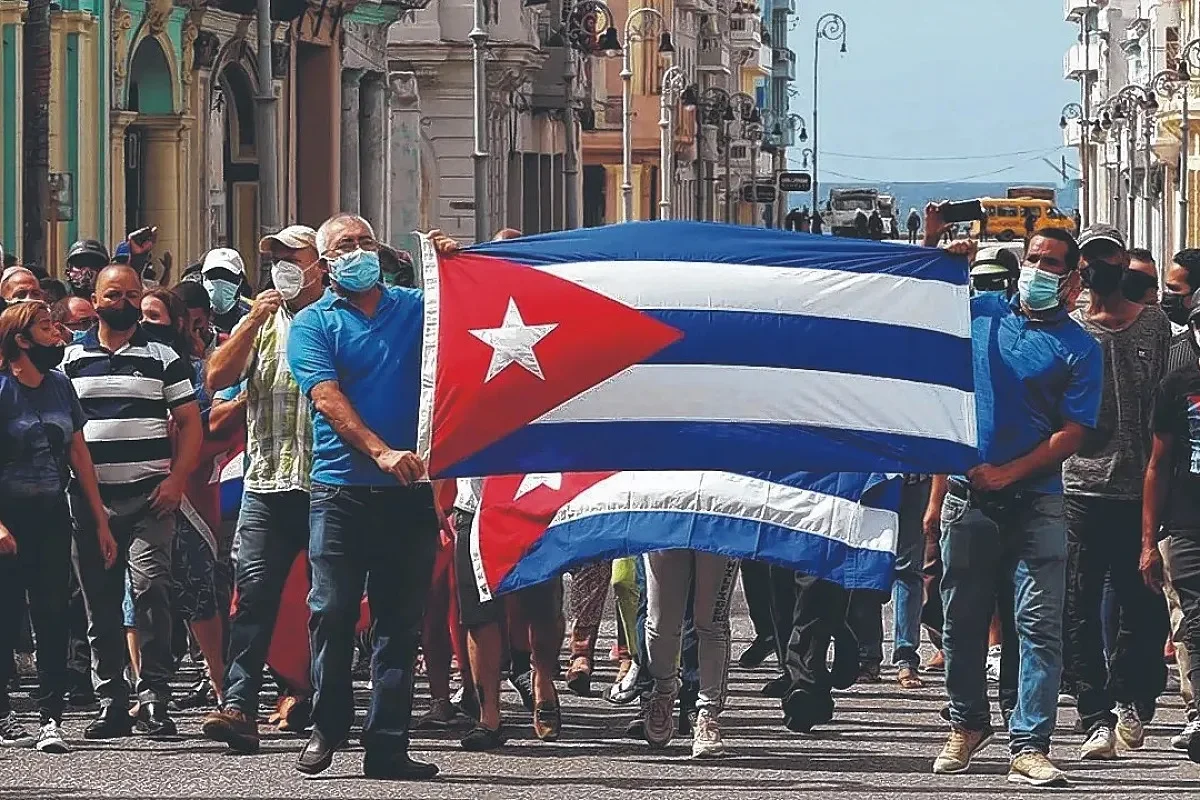
The newly consolidated Eastern South American Route has emerged as a primary destination for Cuban migrants seeking permanent settlement rather than transit. Several thousand Cuban citizens now enter Brazil monthly, where mobility patterns indicate prolonged stays rather than passage toward the United States.
Uruguay recorded a positive migration balance of 5,946 Cubans between January and May 2026, confirming the country’s growing role in long-term integration. Haitian mobility through this corridor operates differently, channeled primarily through charter flights for family reunification to Brazil. Juan Francisco Espinosa, IOM regional director for the Americas, described the shift in stark terms.
“People are finding new routes, heading in different directions and making difficult decisions about where they can build a future” [Translated from Spanish]
Reverse Migration and Regional Mobility Patterns
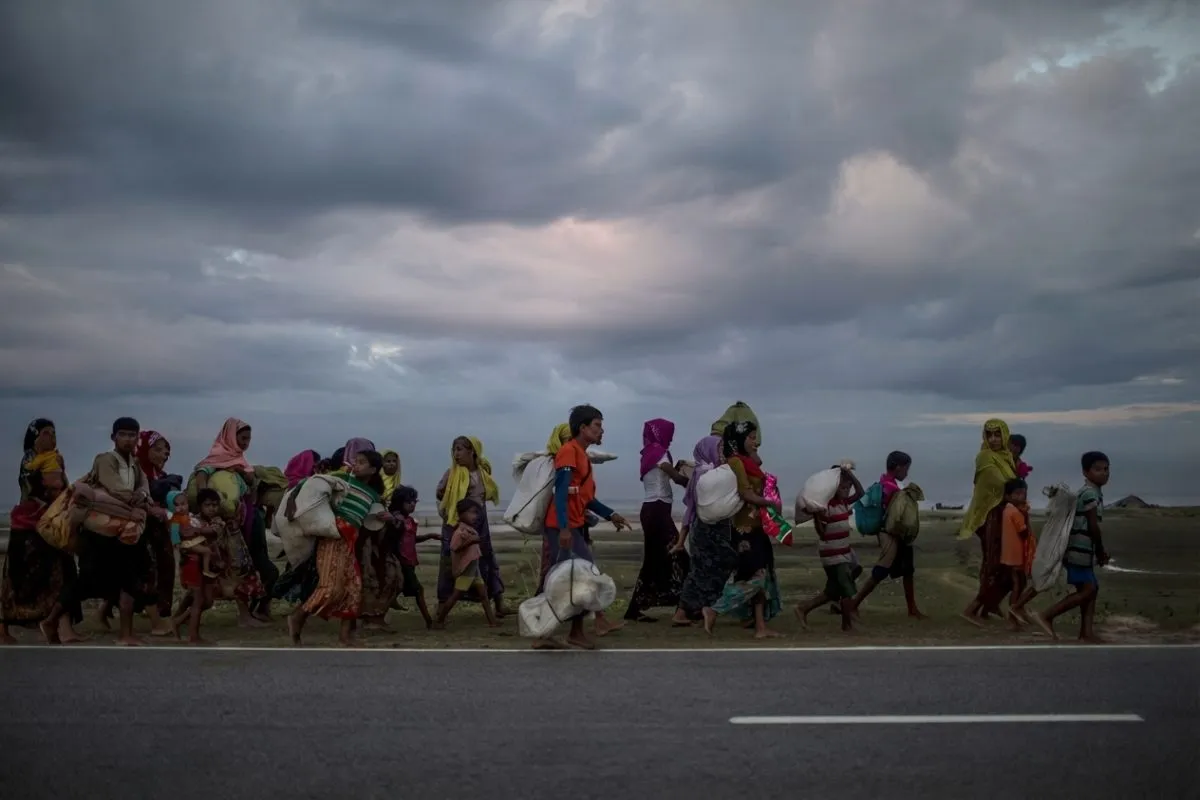
The IOM cautioned that declining numbers on traditional corridors do not mean fewer people are moving. Instead, flows have diversified significantly. The report documents simultaneous northbound transit, southbound returns, and circular mobility between neighboring countries throughout the region.
Thousands of migrants are now returning to their countries of origin or settling in locations that previously served only as waypoints. This reverse flow gained momentum throughout the first half of 2026, reshaping communities along former transit routes. The IOM’s analysis indicates that migration decisions have become more complex, with economic opportunity, family connections, and shifting border policies all influencing destination choices.
The three major corridors now identified by the IOM, the Central American route, the Andean route, and the Eastern South American route, together explain the current movement patterns across Latin America and the Caribbean. The organization’s findings suggest that regional migration has entered a new phase, one defined by multidirectional flows rather than the predominantly northbound movement that characterized previous decades.