


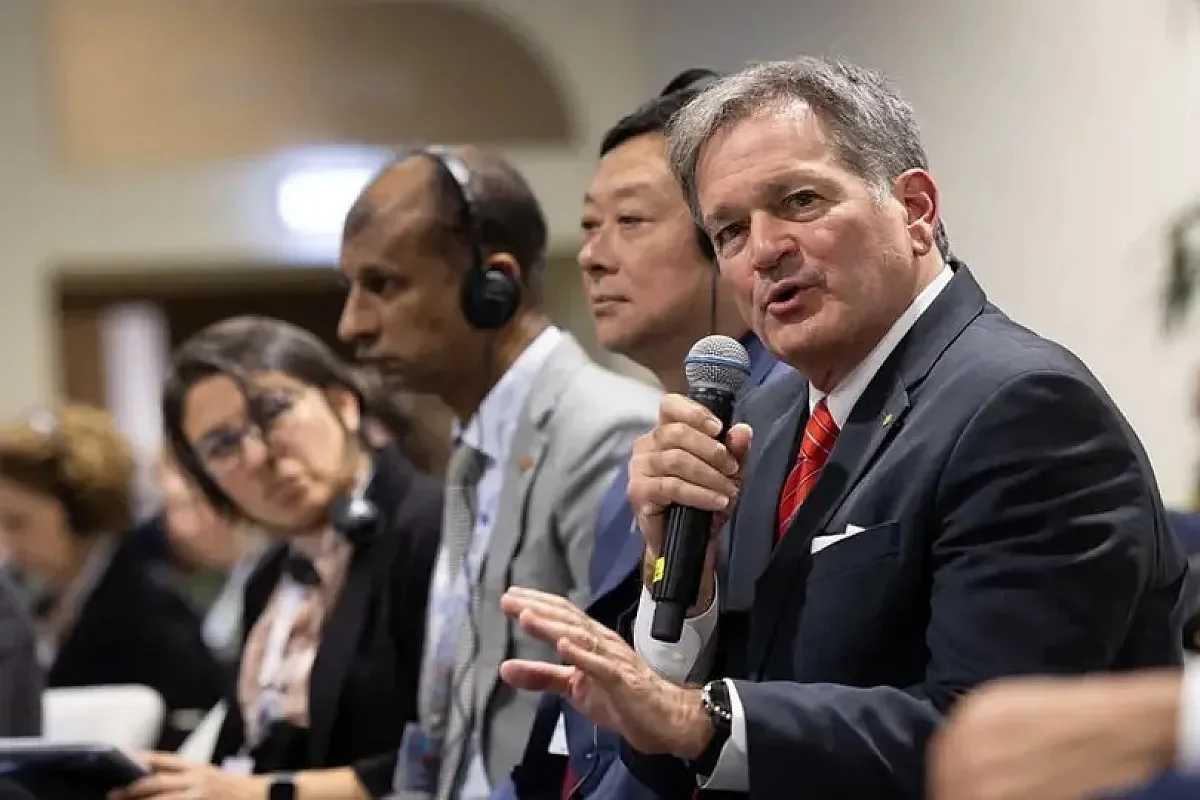
Panama’s Environment Minister Juan Carlos Navarro has emerged as a central figure at the Panama climate summit negotiations in Antalya, Turkey, threatening to block any final agreement that fails to commit to abandoning fossil fuels. Navarro, 65, drew a standing ovation Wednesday after denouncing oil-producing nations for refusing to fund climate adaptation efforts.
Nearly 200 countries remained locked in overtime negotiations Saturday as Navarro held firm on demands that include a fossil fuel phase-out, already agreed upon three years ago in Dubai, and climate financing for developing nations. The minister said he would exercise Panama’s veto right if the final text did not include those commitments.
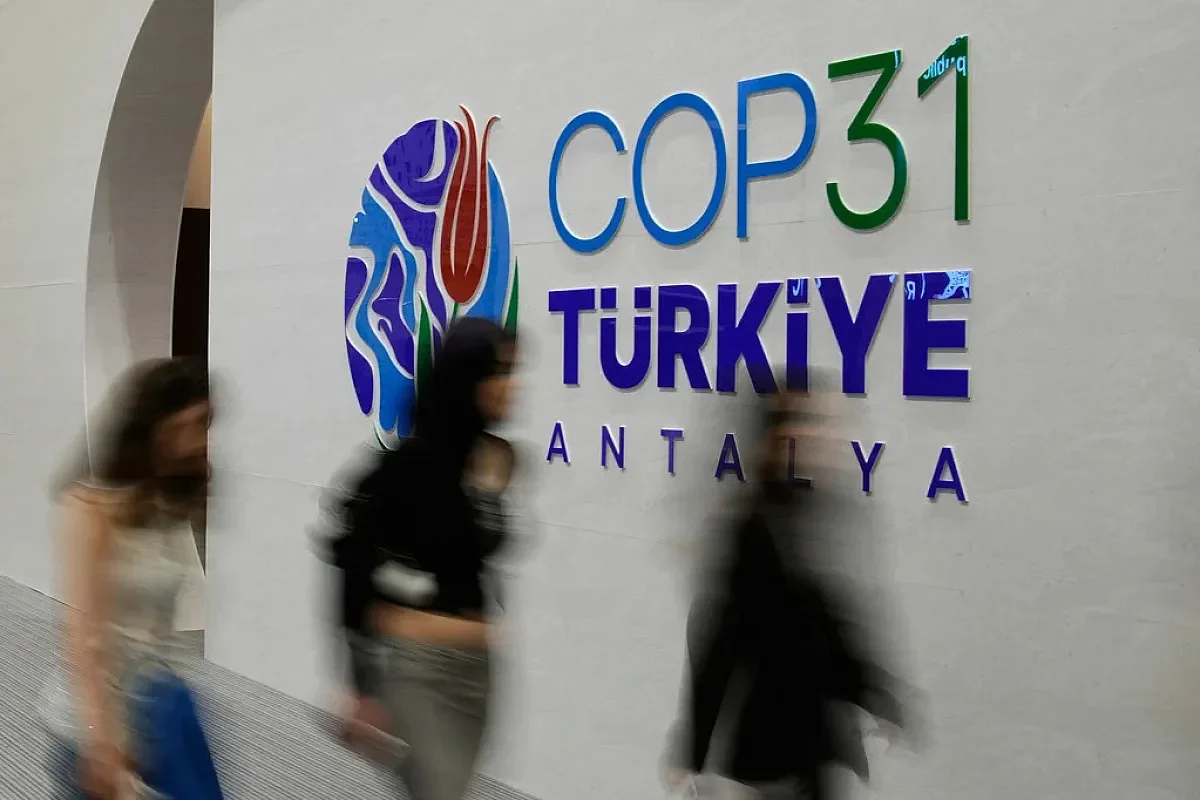
Panama Climate Summit Showdown in Antalya
The confrontation began during an overflowing press conference where Navarro appeared alongside representatives from the Pacific island nations of Vanuatu, Tuvalu, and Fiji. Speaking in English, he delivered a sharp rebuke aimed at petroleum-producing states.
“Go to those charming oil-producing countries. They are so generous, except they don’t give a cent for adaptation, nor to address the difficult situation of the people, nor to save biodiversity,” [Translated from Spanish]
Applause from the Mevlana press room lasted nearly a minute. By Thursday, Navarro escalated his position in an interview with EFE, confirming he would exercise veto power if the final agreement lacked concrete promises on ending hydrocarbon use and providing climate finance to developing countries.
By Friday, the minister had become a key photographed figures at the summit, holding at least two additional press conferences alongside France, European nations, and delegations from Africa and Oceania. He reduced the number of demands but refused to budge on fossil fuels.
“We are destroying the planet. We have already left behind 1.5 degrees. It is probably irreversible. And you know what? We are not even slowing fossil fuel consumption. We are increasing it every day,” [Translated from Spanish]
Navarro’s Environmental Background and Political Career
Navarro’s environmental credentials stretch back decades. After completing a master’s degree at Harvard in 1985, he helped found Panama’s National Association for the Conservation of Nature (ANCON) alongside business leaders, scientists, and community organizers. In 1990, before turning 30, he was elected regional councilor for Latin America at the International Union for Conservation of Nature (IUCN), a position he held through reelection in 1994.
He served as Panama’s first environmental ambassador from 1995 to 1999. In 1998, he published a bilingual work titled ‘National Parks of Panama,’ documenting the biodiversity, geography, and conservation status of the country’s protected areas.
Navarro entered electoral politics as mayor of Panama City for two consecutive terms from 1999 to 2009. He ran for president in 2014 under the center-left Democratic Revolutionary Party (PRD), finishing third behind Juan Carlos Varela. President José Raúl Mulino appointed him Environment Minister in July 2024.
Solar Business and Anti-Fossil Fuel Stance
Navarro founded NSolar, a solar panel company, in the previous decade. One of his three sons now runs the firm. His business background in renewable energy aligns with his aggressive negotiating posture at the COP31 talks, where he has positioned Panama as a leader among nations demanding stronger action against hydrocarbon dependence.
The minister’s hardline stance has drawn widespread support on social media, with many associating Panama with what advocates describe as a just cause. His willingness to publicly confront major oil producers marks a departure from the typically cautious diplomacy seen at UN climate conferences.
Negotiations continued Saturday as delegates worked to bridge divisions between fossil fuel-dependent economies and nations demanding faster decarbonization. Panama’s threat to veto represents one of the strongest positions taken by a Latin American government at recent climate summits, signaling growing impatience among developing countries over the pace of global climate action.