


The Emberá Ella Puru community now participates in a major environmental initiative. Panama’s Ministry of Environment and the United Nations Development Programme launched the “Connecting Nature” project this week. The community lives at the mouth of the Chagres River in Colón province.
Government officials presented the project details to local residents on Tuesday. The initiative spans six years and covers four provinces: Panama, Panama Oeste, Coclé and Colón. Its goal focuses on improving ecological connectivity between critical biomes across the country. Project planners aim to protect biodiversity while strengthening local communities.
Community Leaders Share Their Vision
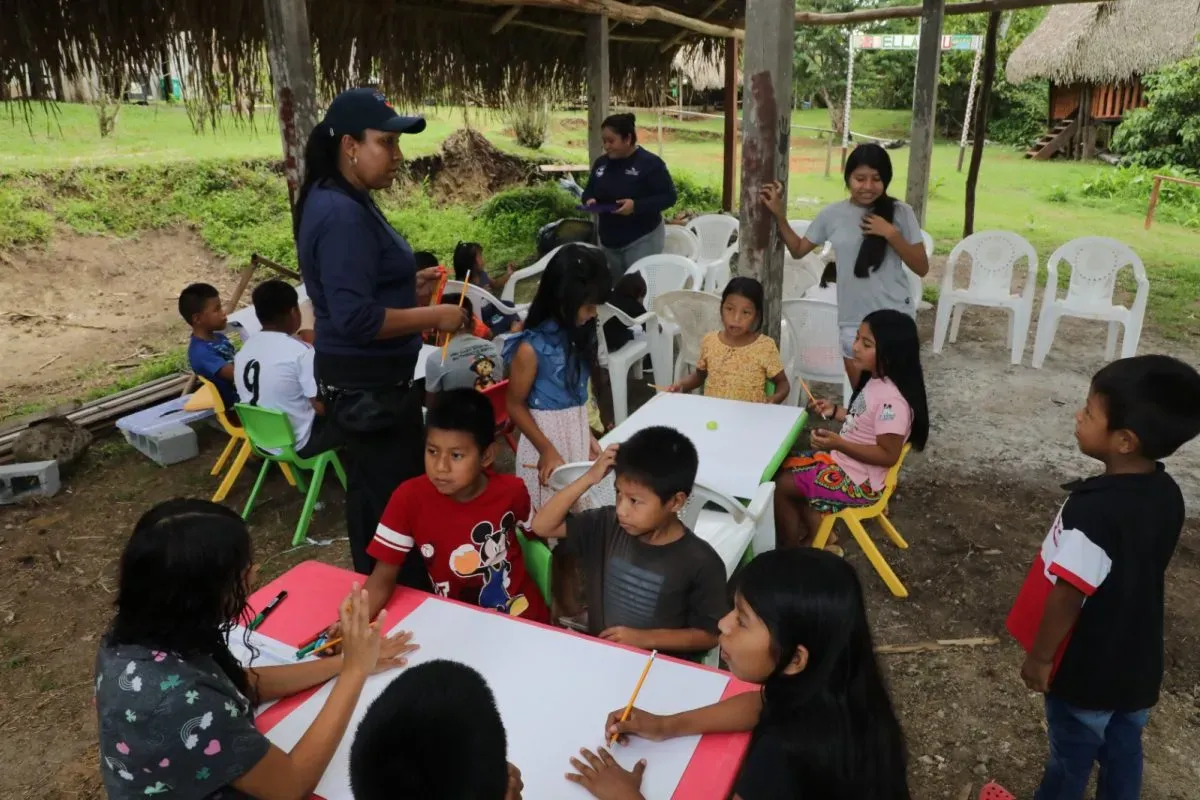
The event started with a welcome ceremony organized by the Emberá community. Children and adults alike showed genuine excitement about learning the project’s benefits. Representatives from both MiAmbiente and UNDP listened carefully to community concerns.
Local leaders explained Ella Puru’s history and unique characteristics. They described their subsistence methods and daily challenges. The meeting gave officials a firsthand look at how the community organizes itself.
Fany González, director of MiAmbiente’s Office of Indigenous Peoples, spoke directly with residents. Karol Kim, the “Connecting Nature” project coordinator, joined her in explaining the program’s phases. Both emphasized the need for active community participation. [Translated from Spanish]
This initiative will strengthen local economic ventures linked to sustainable practices. The project protects human rights and natural resource conservation. Women will have a central role in development and decision-making processes, officials said.
The Emberá people have lived along the Chagres River for generations. Their knowledge of local ecosystems makes them valuable partners in conservation efforts.
Training and Education Take Center Stage
Residents expressed strong interest in the training opportunities the project will provide. They requested permanent dialogue spaces to ensure effective participation in all project activities. Community members want a real voice in decisions affecting their land.
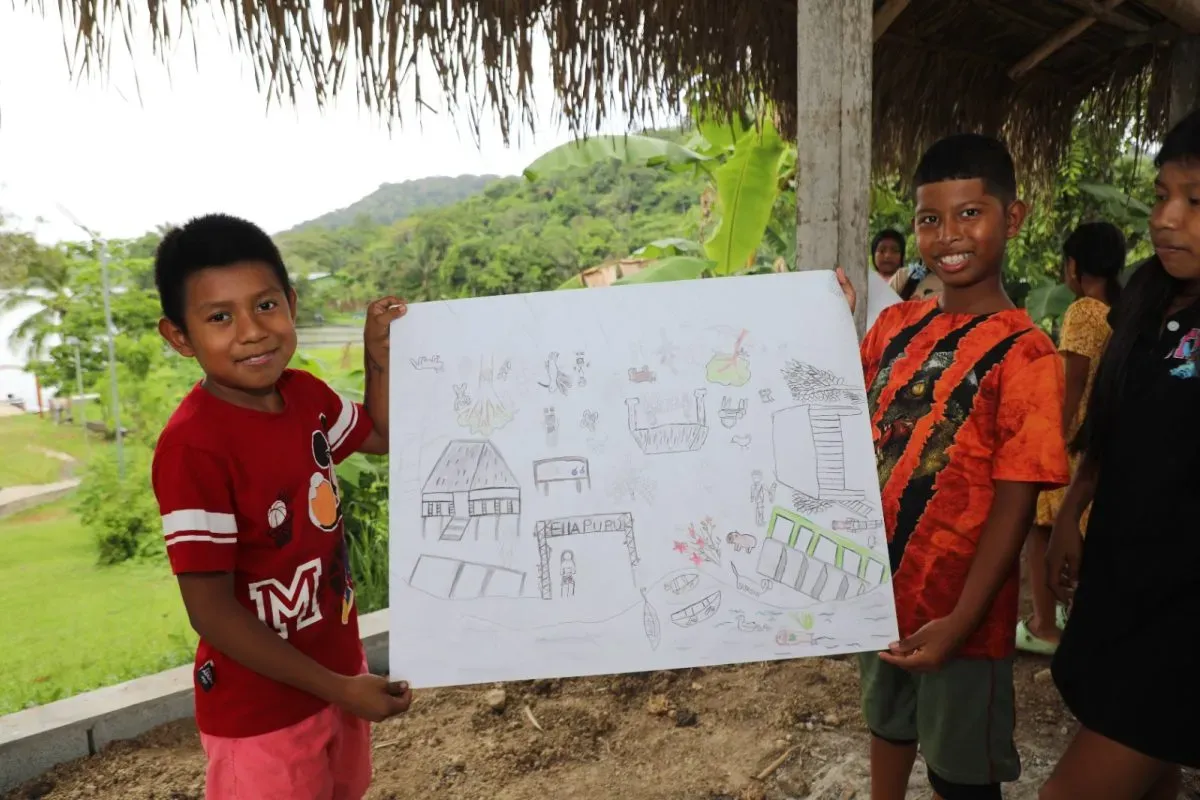
While adults discussed project details, children participated in separate educational activities. The Environmental Culture Directorate of MiAmbiente organized these sessions. Young participants drew pictures and created maps showing their most valued natural elements.
The children’s artwork revealed deep connections to local forests and rivers. Their drawings highlighted the biodiversity they see every day. This exercise helped officials understand what conservation means to the next generation.
Global Funding Supports Local Action
The Global Environment Facility co-finances the entire six year program. The project aims to guarantee economic sustainability for participating communities. Local capacity building remains a central component of the strategy.
Project managers will accompany community members as they develop conservation linked businesses. These ventures must use natural resources responsibly. The initiative promotes sustainable practices that protect ecosystems while generating income.
This approach differs from traditional top down conservation models. Communities become active partners rather than passive recipients of aid. The Global Environment Facility has supported similar community led projects across Panama in recent years.
Women’s inclusion in development processes represents a key project priority. Female community members will receive specific support to participate in decision making bodies. The program recognizes that sustainable development requires everyone’s involvement.
Next steps include establishing regular consultation meetings with the Emberá Ella Puru community. Project staff will return within weeks to begin training sessions. Local leaders have already identified several potential conservation enterprises worth exploring.
The “Connecting Nature” project could serve as a model for indigenous community engagement across Panama. Success here might influence how other environmental programs operate nationwide. For now, the Emberá people of Ella Puru have taken their first step into a six year partnership.