


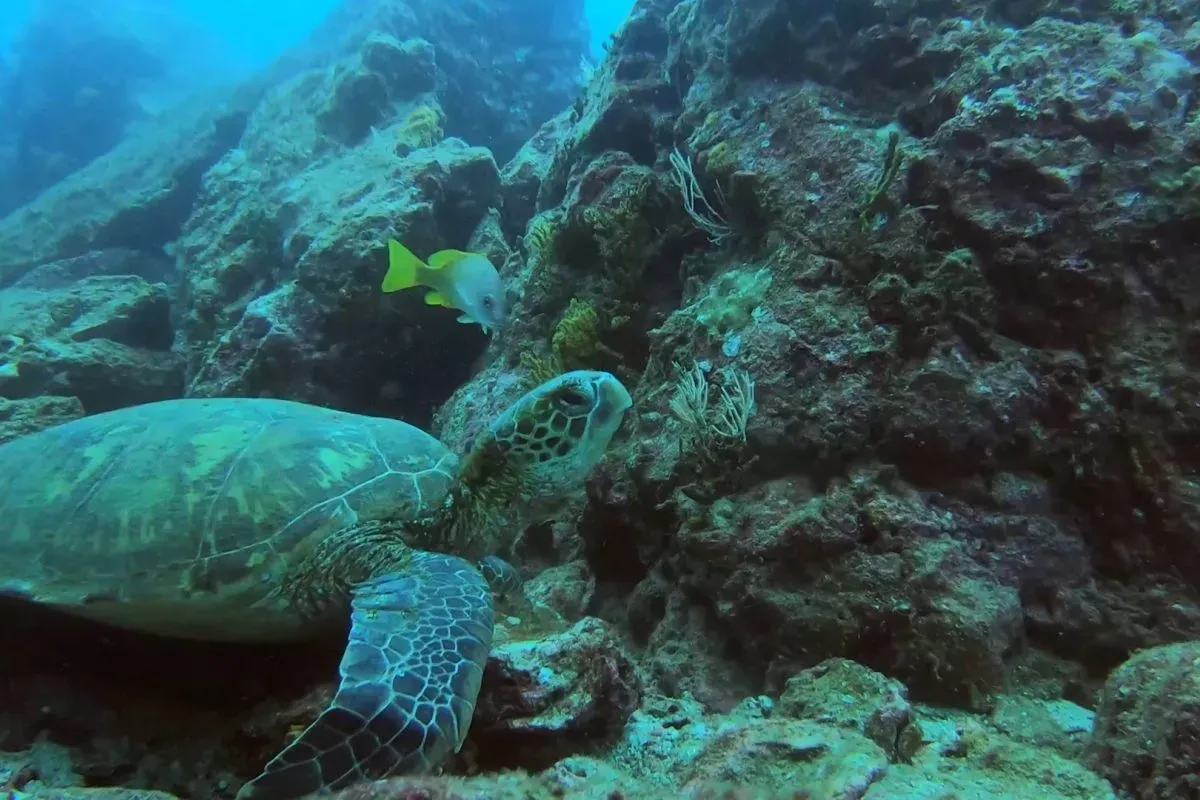
Sea turtles possess a remarkable biological memory that drives them back to the beaches where they were born. In Panama, this natural phenomenon has repeated for millions of years, making the isthmus a critical territory for marine biodiversity protection. The Ministry of Environment (MiAmbiente) confirmed these nesting patterns are active across the country.
A strategic nesting map has been identified for sea turtles in Panama. Key locations include Isla Cañas in Los Santos province, La Marinera in Los Santos, Armila in the Guna Yala region, Punta Chame in West Panama, La Barqueta in Chiriquí, and Lajas in Chiriquí. Between July and December, thousands of females emerge from the sea at night to deposit over one hundred eggs per nest.
Five Endangered Species Visit Panama Shores
This silent process is essential for population survival. Massive arribadas or mass nesting events occur especially at the Isla Cañas Wildlife Refuge and Playa La Marinera. Panama receives visits from five sea turtle species: the olive ridley (Lepidochelys olivacea), hawksbill (Eretmochelys imbricata), leatherback (Dermochelys coriacea), loggerhead (Caretta caretta), and green turtle (Chelonia mydas).
All these species fall under threatened categories according to the International Union for Conservation of Nature (IUCN). They receive protection through international agreements such as the Inter-American Convention for the Protection and Conservation of Sea Turtles and the Convention on International Trade in Endangered Species of Wild Fauna and Flora. Panama is a signatory to both treaties.
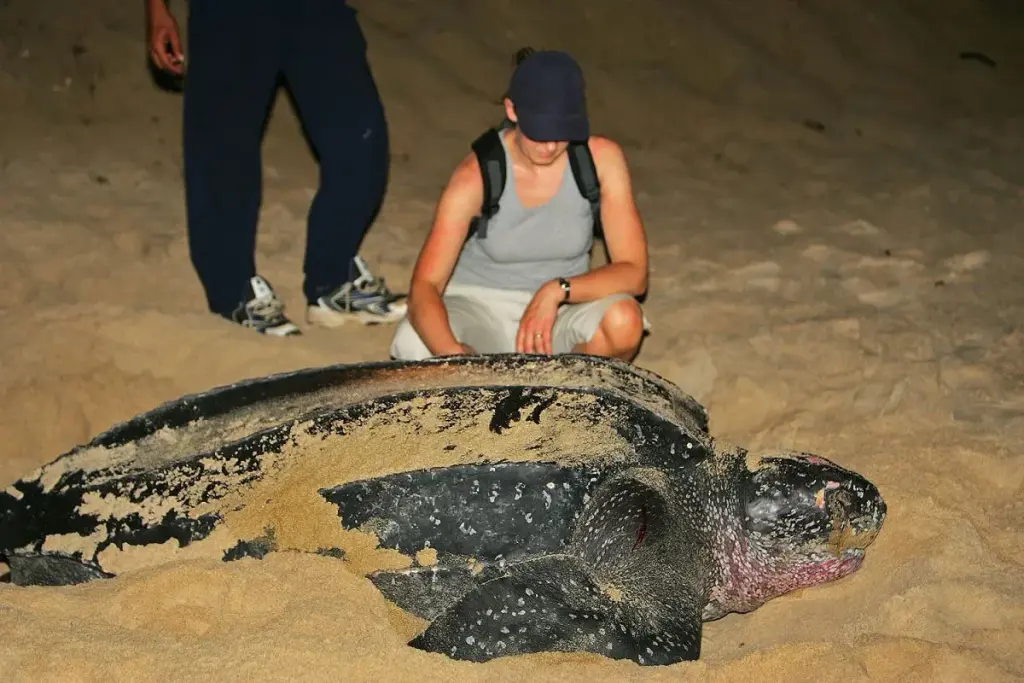
Official Highlights National Conservation Responsibility
Digna Barsallo, national director of Coasts and Seas at MiAmbiente, emphasized the importance of Panamanian coastal ecosystems. She made the statements during a recent conservation awareness campaign.
“Panama has an enormous responsibility for the conservation of these reptiles, since our beaches contain key nesting routes and sites. Protecting these spaces means caring for the health of our oceans,” Barsallo said. [Translated from Spanish]
The survival of these species faces major challenges. Experts estimate that only one in every thousand hatchlings reaches adulthood. Threats include natural predators, marine pollution, habitat loss, and artificial lighting that can disorient them when trying to reach the ocean.
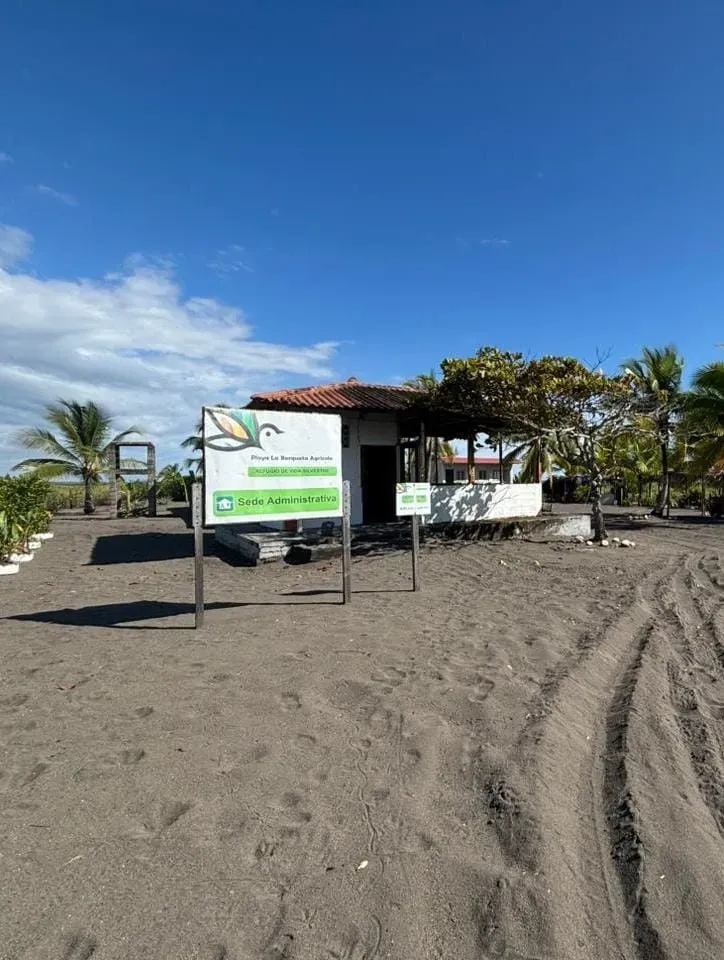
Ecological Roles and Legal Protections
Beyond their value as natural heritage, turtles perform essential ecological functions. They help balance seagrass beds, control jellyfish populations, and support coral reef stability. These ecosystems relate directly to activities such as artisanal fishing, which sustains coastal communities.
Barsallo reminded the public that Panama has Law 371 from March 1, 2023. This law establishes penalties against the illegal trade and trafficking of sea turtles, their eggs, or derived products. The legislation represents a significant step forward for enforcement.
“Conservation also depends on citizen participation. Avoiding consumption, respecting the beaches, and reporting environmental crimes makes a real difference,” Barsallo stated. [Translated from Spanish]
MiAmbiente reiterated its call for the population to avoid consuming turtle meat and eggs. Officials also warned against purchasing handicrafts made from hawksbill shell, known as carey. These practices put the survival of these ancient species at risk.
The nesting season runs through December. Conservation groups and park rangers monitor beaches daily to protect nests from poachers and predators. Volunteers from local communities also participate in patrols and educational programs.
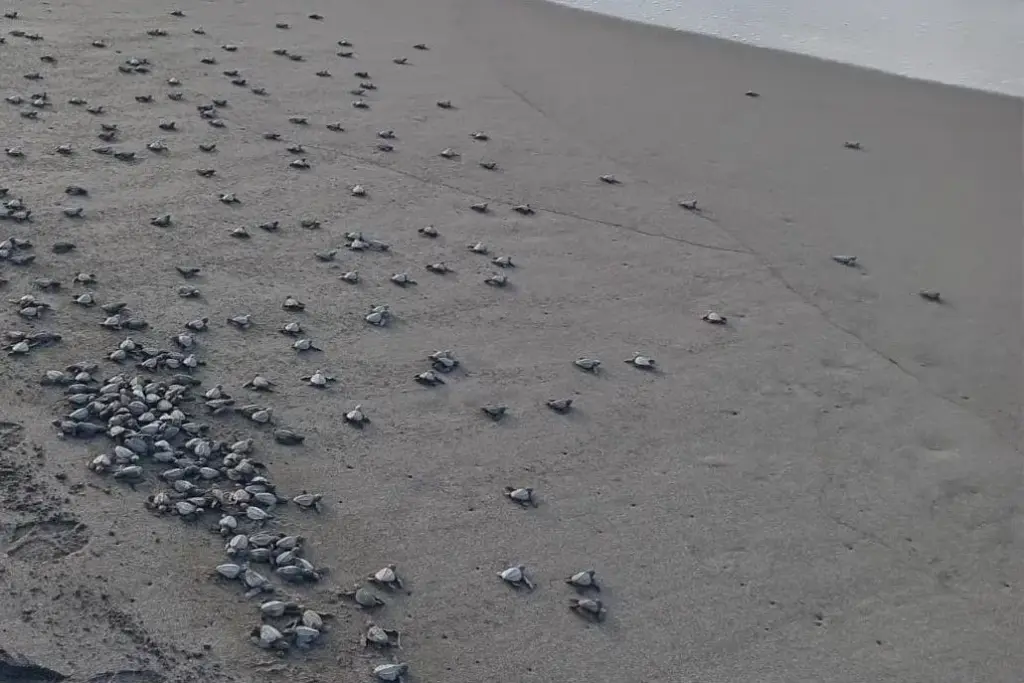
Climate change presents an additional threat to sea turtle populations. Sand temperature determines the sex of hatchlings, with warmer temperatures producing more females. This imbalance could affect long-term reproductive success.
Panama’s Pacific and Caribbean coasts provide diverse nesting habitats. The country’s position as a biological bridge between North and South America adds to its conservation importance. Protecting these nesting sites helps fulfill international commitments under both the Inter-American Convention for the Protection and Conservation of Sea Turtles and the Convention on International Trade in Endangered Species of Wild Fauna and Flora.
Marine biologists continue studying migration patterns using satellite tracking. The data helps identify critical feeding grounds and migration corridors. This research supports the development of marine protected areas and fishing regulations.
The Isla Cañas Wildlife Refuge serves as a model for community-based conservation. Local residents receive training as tour guides and nest monitors. Ecotourism provides economic alternatives to poaching and illegal egg collection.
MiAmbiente plans to expand monitoring programs to additional beaches next season. The agency also works with coastal municipalities to reduce light pollution near nesting sites. These measures aim to increase hatchling survival rates across the country.