


Panama has received international recognition for a massive tree-planting campaign. The initiative aims to transform public spaces across the country with bright yellow blooms. Officials confirmed the award this week from an international gardening competition.
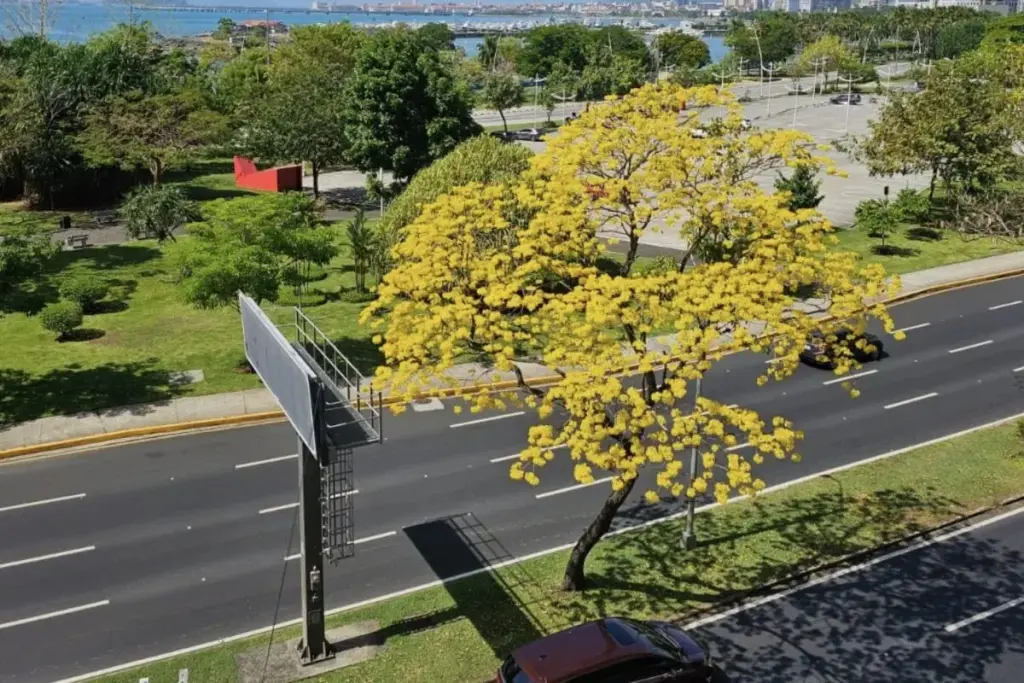
The Federation of Gardening Clubs of Panama launched the program “Let’s Paint Panama Yellow” in 2018. The project targets the planting of 100,000 guayacan seedlings nationwide. Panama earned second place in the Plant de America competition organized by the Committee of International Affiliate Activities. This award highlights the nation’s commitment to nature conservation and sustainable development.
International Recognition for Panama’s Environmental Efforts
The competition encourages communities worldwide to develop sustainable projects. National Garden Clubs Inc. and COMAAI organized the event. These organizations focus on climate change resilience and global warming preparedness. Panama’s entry stood out among international participants for its grassroots approach.
Vylma Cordovez coordinates the “Let’s Paint Panama Yellow” program. She emphasized the project’s core mission during the award ceremony. “Every person in Panama should plant a guayacan tree and we give them the seedling and care for it so that someday, Panama will truly be a city painted yellow,” Cordovez said. [Translated from Spanish]
Every person in Panama should plant a guayacan tree and we give them the seedling and care for it so that someday, Panama will truly be a city painted yellow.
The initiative goes beyond adding color to Panama’s landscapes. Project leaders promote environmental education through hands-on gardening activities. They teach communities about ecosystem protection and native species conservation. The guayacan tree holds symbolic value for its beauty and represents messages of life and peace.
Native Species Protection and Community Engagement
Bedsy Dutari serves as a scientist with the Panama Gardening Club. She explained the tree’s unique characteristics during the announcement. “The guayacan needs care in its initial stages. Once we plant it, the tree is generous and grows on its own. It produces valuable timber and in some indigenous regions it can even be used for medicinal purposes,” Dutari said. [Translated from Spanish]
The guayacan needs care in its initial stages. Once we plant it, the tree is generous and grows on its own. It produces valuable timber and in some indigenous regions it can even be used for medicinal purposes.
The Federation has distributed seedlings to schools, parks and community centers since 2018. Volunteers teach proper planting techniques and long-term care methods. The project emphasizes early-stage protection for young trees. Once established, guayacan trees require minimal maintenance and thrive in Panama’s tropical climate.
International conservation groups have taken notice of Panama’s approach. The Guayacan tree conservation efforts align with broader regional biodiversity protection strategies. Panama’s success offers a model for other tropical countries seeking similar reforestation results.
Environmental Impact and Future Goals
The project connects to wider Panama environmental initiatives that address mining impacts and habitat restoration. Scientists note that native tree species support local wildlife populations. Guayacan trees provide food and shelter for birds, insects and mammals. Their deep root systems also prevent soil erosion on hillsides.
Organizers plan to expand the program to all ten provinces of Panama. They aim to reach the 100,000 tree target within the next two years. Community groups continue to register new planting sites. The Federation provides free seedlings and educational materials to all participants.
Climate change poses serious challenges to Panama’s ecosystems. Rising temperatures and changing rainfall patterns threaten native forests. The guayacan planting campaign helps restore degraded areas and increase urban green spaces. Trees absorb carbon dioxide and produce oxygen, directly fighting global warming effects.
Jocelyn Mosquera reported on the award for TVN Noticias. The story reached national audiences through broadcast and digital platforms. Panama’s achievement in the Plant de America competition demonstrates the power of community-led conservation work.