


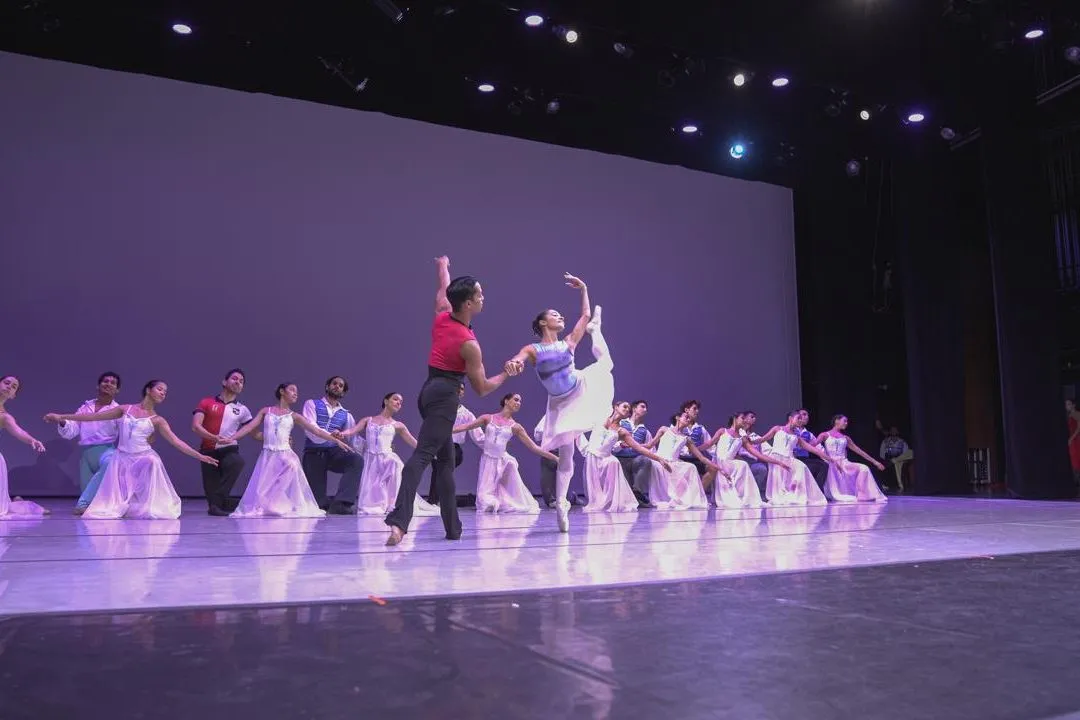
Panama City transforms into a global ballet capital this week. The Aura B. Torrijos Theater at the City of Arts opens its doors Thursday for the Panama Ballet Festival 2026. The event runs from June 4 through June 7.
More than 11 countries send dancers, companies and teachers to this unprecedented artistic celebration. The Ballet Nacional de Panama and the Panama Ministry of Culture jointly organize the festival. Organizers say the event honors Margot Fonteyn, the legendary ballerina with deep ties to Panama. [Translated from Spanish]
The festival promises to become one of the year’s most important cultural events. Audiences can experience world-class performances without leaving the country.
Five Days of Classical and Contemporary Dance
Attendees will enjoy a diverse program spanning classical, neoclassical and contemporary repertoire. International companies and soloists perform from Colombia, Cuba, Uruguay, Dominican Republic, Mexico, Puerto Rico, Ukraine, Venezuela, El Salvador and Panama. That list keeps growing.
Featured guests include representatives from the Metropolitan Ballet of Medellin and Incol Ballet of Colombia. Artists from Ukraine’s Grand Kyiv Ballet also take the stage. Dancers from Uruguay’s National Ballet of Sodre join them. Cuban prima ballerina Viengsay Valdés makes a special appearance.
Panamanian audiences will reconnect with Manuelita Navarro. She is a celebrated Panamanian dancer building an impressive international career.
This festival represents a historic moment for dance in Panama. We bring together world-class talent to honor Margot Fonteyn’s legacy while showcasing our own National Ballet. The public will witness extraordinary artistry from across the globe. [Translated from Spanish]
The National Ballet of Panama takes center stage with a special program. The company premieres a new choreographic work by Cuban master Eduardo Blanco. He created the piece specifically for this festival.
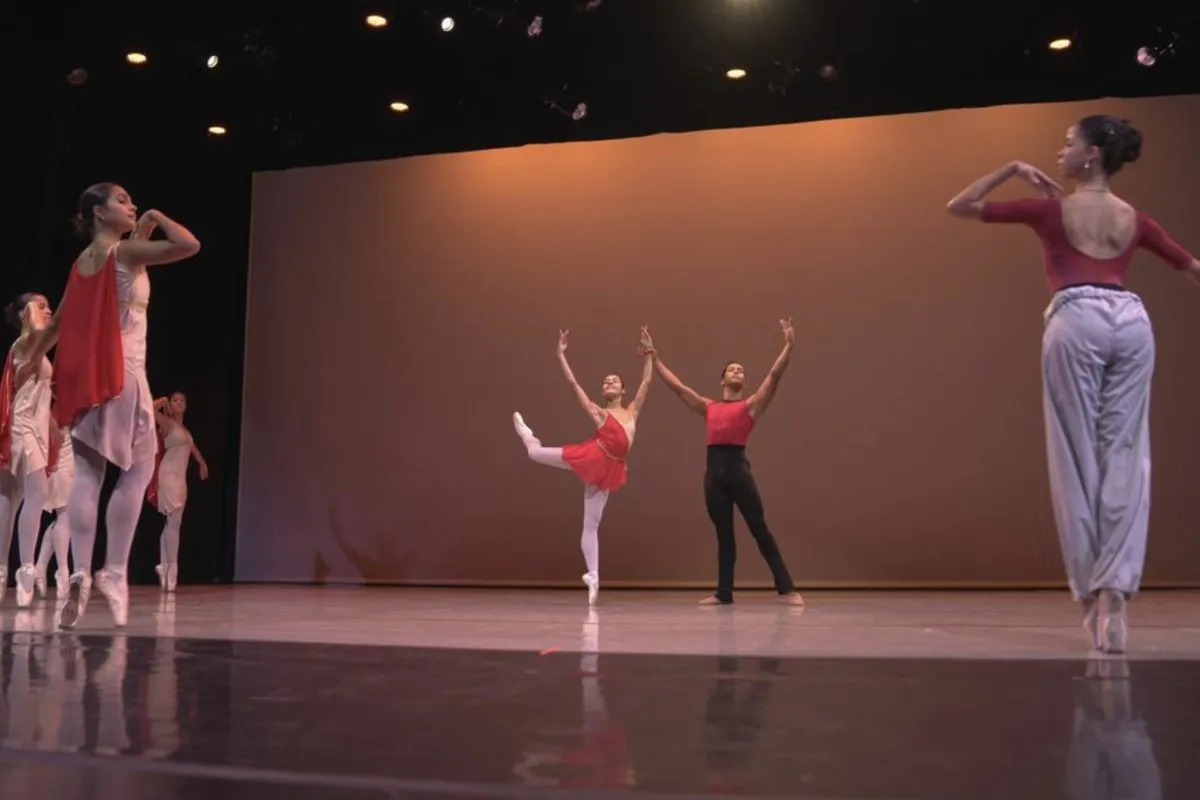
Building Panama’s Cultural Reputation
This gathering goes beyond performance. It celebrates the beauty, technique and emotion of dance. Organizers want to bring the public closer to ballet’s greatest exponents.
The festival solidifies Panama’s position as a regional cultural reference point. Tickets are available through Panatickets. The Ministry of Culture and the National Ballet invite students, families, art lovers and the general public to join this international dance celebration.
Five days of nonstop performances await. The City of Arts becomes a meeting point for dance traditions from across the Americas and Europe. Each company brings its unique style and repertoire.
Panama has not hosted an event of this scale before. The timing feels right. Cultural officials say the festival responds to growing public demand for high-quality dance programming.
The Aura B. Torrijos Theater provides an intimate yet grand setting. Its stage has hosted major productions since the City of Arts complex opened. Now it welcomes ballet’s brightest stars.
Young dancers from Panama’s own schools will attend masterclasses. International teachers lead these sessions during the festival days. Knowledge transfer matters as much as performance.
Manuelita Navarro’s homecoming carries special weight. She left Panama years ago to train abroad. Now she returns as a principal dancer with major companies. Young Panamanian students will see what dedication can achieve.
Viengsay Valdés brings decades of experience from Cuba’s prestigious ballet tradition. Her presence elevates the festival’s artistic credentials significantly. She has danced leading roles worldwide.
The Ukrainian contingent arrives with particular significance. Grand Kyiv Ballet dancers continue performing despite difficult circumstances at home. Their participation demonstrates art’s power to transcend boundaries.
Colombia sends two companies with distinct identities. The Metropolitan Ballet of Medellin focuses on contemporary works. Incol Ballet maintains strong classical foundations. Together they showcase Colombian dance’s diversity.
Uruguay’s National Ballet of Sodre carries a rich history. The company has produced world-renowned dancers for generations. Their repertoire combines tradition with innovation.
Eduardo Blanco’s new choreography for the National Ballet represents a major investment. Cuban choreographers hold special status in the ballet world. Blanco’s work for Panamanian dancers could become a signature piece.
The festival runs Thursday through Sunday. Evening performances fill the main theater. Matinees cater to students and families. Every show offers something different.
Panama City‘s cultural calendar grows richer each year. This ballet festival joins established events like the International Book Fair and film festivals. The city positions itself as a serious arts destination.
Tourism officials expect the festival to attract visitors from neighboring countries. Ballet enthusiasts rarely miss such concentrated programming. Hotels near the City of Arts report strong bookings.
Local businesses benefit from the cultural influx. Restaurants, shops and transportation services see increased activity during festival periods. The economic ripple effect reaches beyond the theater doors.
Organizers already discuss making the festival an annual event. First editions often determine long-term viability. Early ticket sales suggest strong public interest.
The National Ballet’s role in organizing signals institutional commitment. Government support through the Ministry of Culture provides stability. Private sponsors also contribute to festival funding.
Panama’s multicultural population provides natural audiences for international programming. The country’s position as a crossroads makes it a logical host for global events. This festival capitalizes on that geographic advantage.
Dance education programs in Panama have grown significantly over the past decade. More young people study ballet seriously now than ever before. The festival gives them role models to emulate.
Margot Fonteyn’s connection to Panama remains strong decades after her prime. She lived in the country for many years. Her foundation continues supporting dance education here. The festival name honors that enduring relationship.
Thursday’s opening gala features excerpts from major classical works. Friday focuses on contemporary choreography. Saturday presents mixed programs from visiting companies. Sunday’s closing brings all participants together for a grand finale.
Each day includes panel discussions and workshops. These educational components distinguish the festival from simple performance series. Learning happens alongside watching.
The City of Arts complex provides ample space for these activities. Multiple studios and rehearsal rooms accommodate masterclasses. The theater’s technical capabilities support complex productions.
Panama’s ballet festival arrives at a moment of cultural expansion. The country invests more in arts infrastructure and programming. This event demonstrates the results of that investment.
Dancers from 11 countries now share one stage. Their languages differ but their art form unites them. Panama provides the meeting ground.
The festival runs through Sunday evening. Tickets remain available for most performances. The Ministry of Culture encourages early purchase as some shows near capacity.