


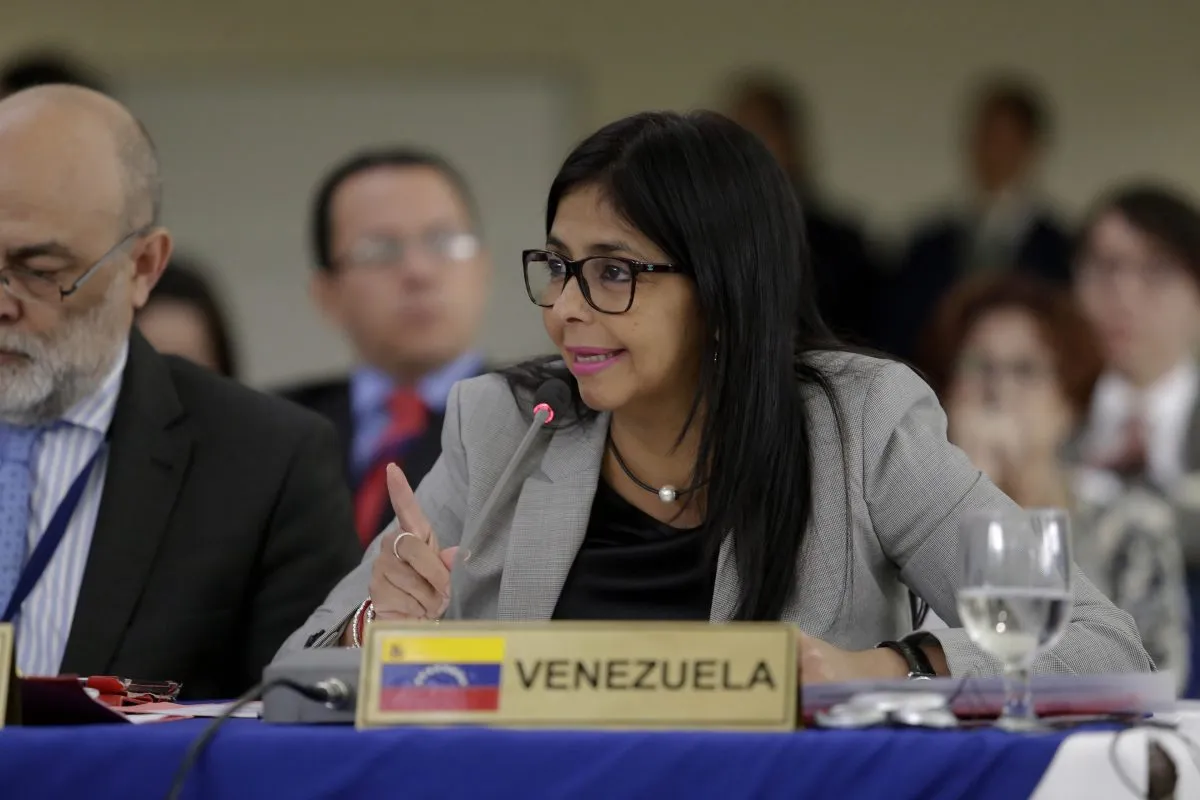
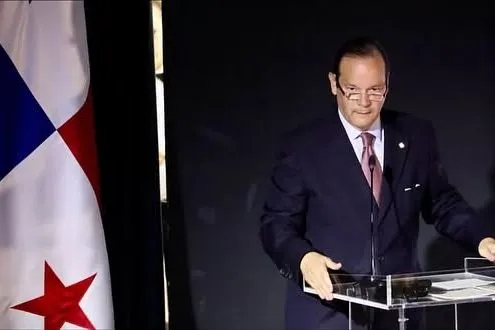
Inside the vaults of Panama’s National Bank, a set of electoral records from Venezuela’s 2024 presidential vote sits under lock and key. For Panamanian officials, those documents are more than paper, they represent the presidency of Edmundo González and a roadmap back to democratic legitimacy. Foreign Minister Javier Martínez-Acha pointed to that physical evidence during an interview from India on Tuesday, making it clear that Panama will not restore diplomatic relations with the government led by Delcy Rodríguez anytime soon.
“We keep the tally sheets that certify Edmundo González’s victory in the July 28, 2024 elections in the vaults of the National Bank. One must be consistent with one’s decisions, so we continue to recognize Edmundo González,” Martínez-Acha told EFE. [Translated from Spanish]
The statement draws a hard line in the sand, reinforcing Panama’s stance even as Washington signals a new phase of engagement with Caracas. The foreign minister’s remarks come at a moment of shifting geopolitical currents, with the United States announcing plans for a democratic transition process scheduled to begin in August.
Panama’s Firm Recognition of González
Since the contested Venezuelan election of July 2024, Panama has aligned itself with a bloc of nations that rejected the official results and recognized opposition candidate Edmundo González as the legitimate president-elect. That position hasn’t softened. While the region has seen a patchwork of diplomatic recalibrations, Panama’s refusal to deal directly with the Rodríguez administration remains intact.
Martínez-Acha said restoring full diplomatic ties “is not on the agenda,” even as the United States backs Rodríguez’s interim presidency.
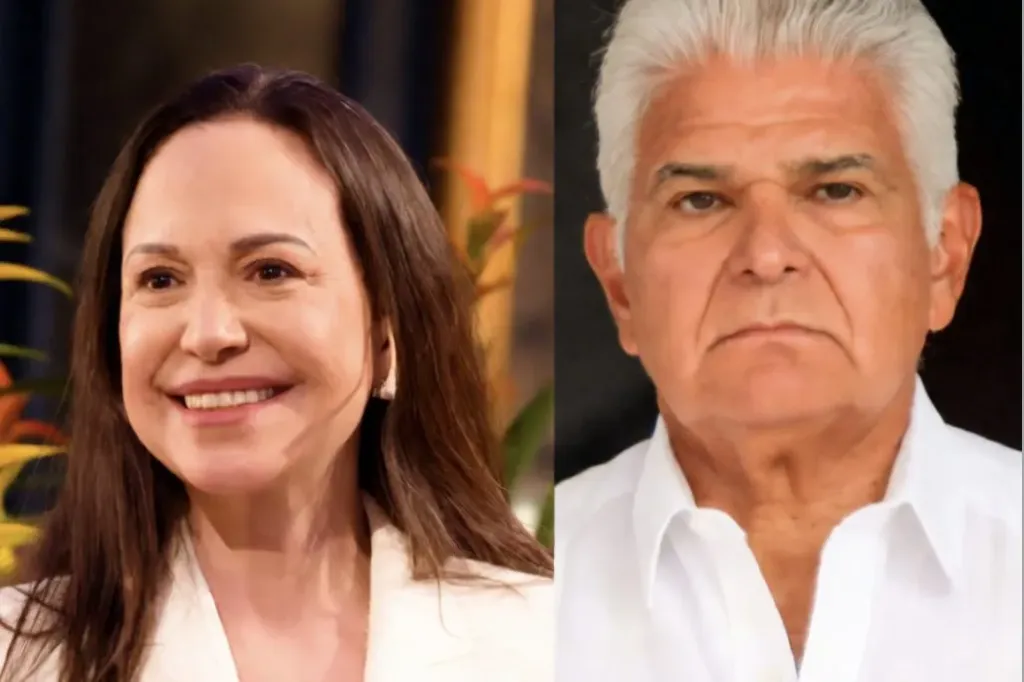
The government of José Raúl Mulino has placed its bets on a negotiated democratic solution. In late May, Mulino hosted Venezuelan opposition leader María Corina Machado in Panama for talks centered on the possibility of fresh elections. The meeting signaled Panama’s desire to keep opposition figures close while international pressure builds. For Mulino, the path forward runs through the ballot box, not through backchannel deals with a government Panama refuses to validate.
Washington’s Transition Blueprint and Regional Reactions
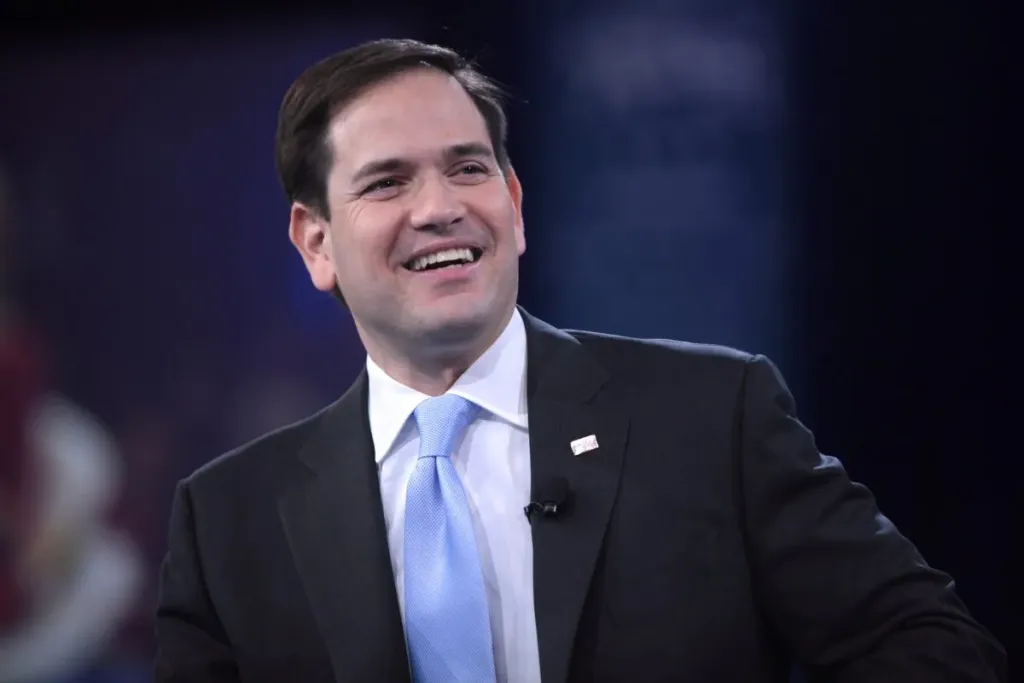
On Monday, U.S. Secretary of State Marco Rubio announced that processes for a democratic transition in Venezuela would kick off in August. Rubio’s statement added fresh urgency to conversations across Latin America, with the United States, which has held significant sway over Venezuelan affairs since January, pushing for a structured timeline. Panama’s foreign minister welcomed the initiative but stressed that success hinges on broad regional backing.
“We feel that the democratic solution for Venezuela that the United States and Secretary Rubio wish to implement must be accompanied by support from democratic countries in the region. That way, internal actors will build confidence. That path has to be constructed with solid electoral demands and a transformation of different actors and internal entities in Venezuela,” Martínez-Acha said. [Translated from Spanish]
The message underscores Panama’s wariness of a unilateral approach. Without collective pressure and credible institutional reforms inside Venezuela, the foreign minister suggested, any transition framework risks becoming a hollow gesture. Panama’s diplomatic strategy rests on the idea that countries like Brazil, Colombia, Chile and others must coordinate their efforts, not just follow Washington’s lead.
Consular Ties and Humanitarian Outreach
Despite the political rupture, Panama hasn’t severed all connections with Venezuela. Consular relations continue, allowing the two countries to handle routine matters like documentation and citizen services. That pragmatic channel proved vital after a double earthquake struck Venezuela on June 24, causing widespread damage. Martínez-Acha noted that Panama was among the first nations to dispatch humanitarian assistance, sending aid through consular networks while bypassing the political impasse.
The dual-track approach, firm on principles but flexible on human needs, reflects Panama’s broader identity as a bridge nation in hemispheric affairs. The country’s diplomatic corps has long balanced ideological clarity with logistical pragmatism, and the Venezuela file is no exception. By keeping the consulates open and aid flowing, Panama can maintain a presence in the country without legitimizing a government it considers illegitimate.
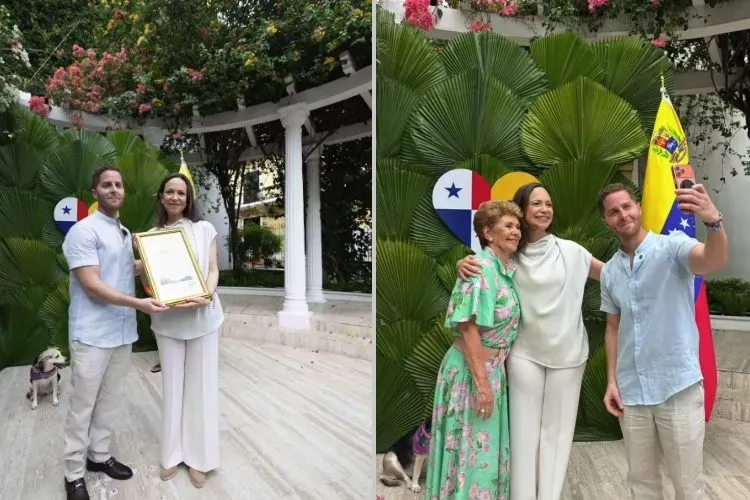
Martínez-Acha described a vision of Venezuela eventually rejoining “the community of Latin American nations of the world.”
That vision, he said, depends entirely on transparent elections and a government chosen by Venezuelans themselves. For Panama, those conditions remain the only acceptable foundation for normalized relations, no matter how long it takes.