


Panama City, Panama – The recent transfer of detainees to Coiba Island has not damaged tourism, fishing or scientific research in Coiba National Park. Deputy Environment Minister Óscar Ballarino made this statement on Friday.
The Ministry of Environment leads the park’s governing council. Ballarino said the ministry maintains constant communication with all sectors represented on that council. These include mayors from five districts in Veraguas province, non-governmental organizations, academic institutions and security forces.
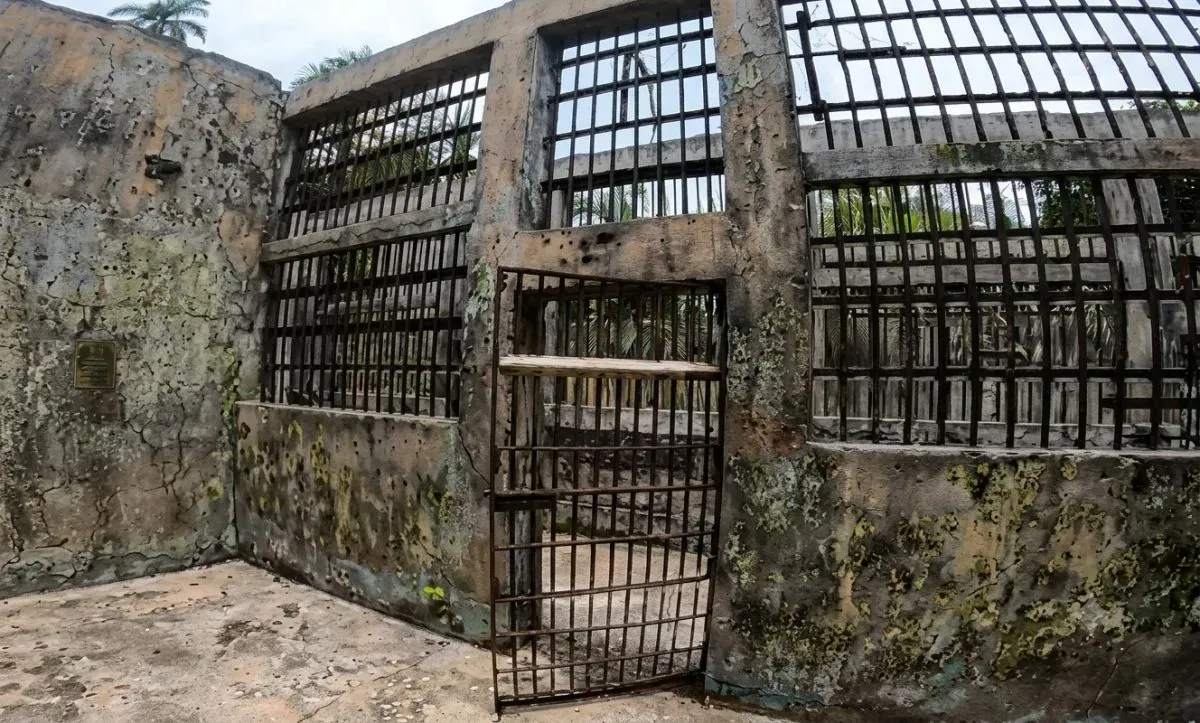
Ballarino addressed concerns during a recent council meeting. The worries followed the transfer of inmates to an area used by the National Aeronaval Service (Senan). That zone has historically held people detained for illicit activities like drug trafficking or illegal fishing.
“We understand the need to address national security issues, but we are also working to reassure communities and productive sectors that the area’s natural resources have not been impacted,” Ballarino said. [Translated from Spanish]
The deputy minister emphasized that conservation, research and environmental monitoring activities continue normally. A scientific station operates on the island. Panamanian and international researchers work there alongside university students completing academic projects and theses.
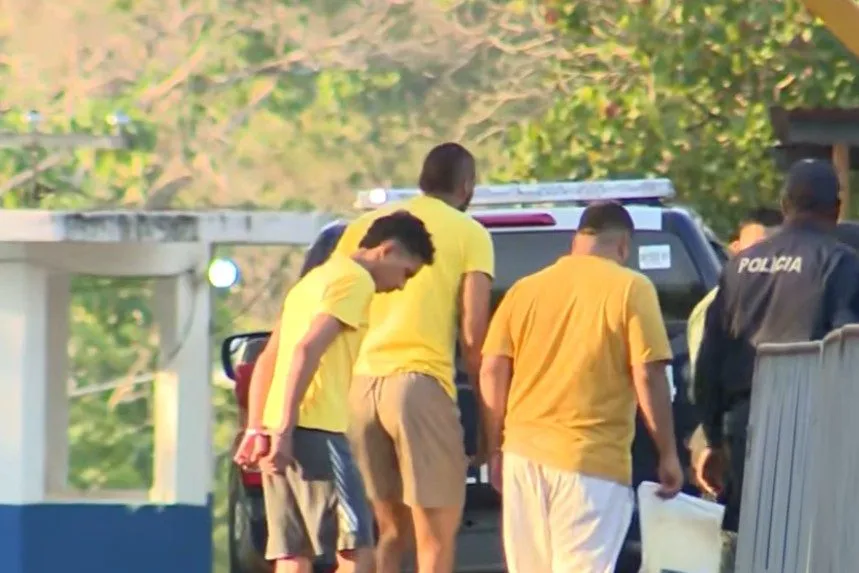
Park Rangers and Scientific Work Continue Uninterrupted
Ballarino highlighted the work of 39 park rangers stationed in the protected area. These rangers collaborate with the Ministry of Environment to preserve the park’s ecosystems. Their daily patrols and monitoring efforts have not been affected by the inmate transfer.
The statements come after tourism representatives and local authorities from Veraguas requested more communication about measures taken on the island. Coiba is considered one of Panama’s premier ecotourism destinations. Visitors come for diving, wildlife viewing and pristine beaches.
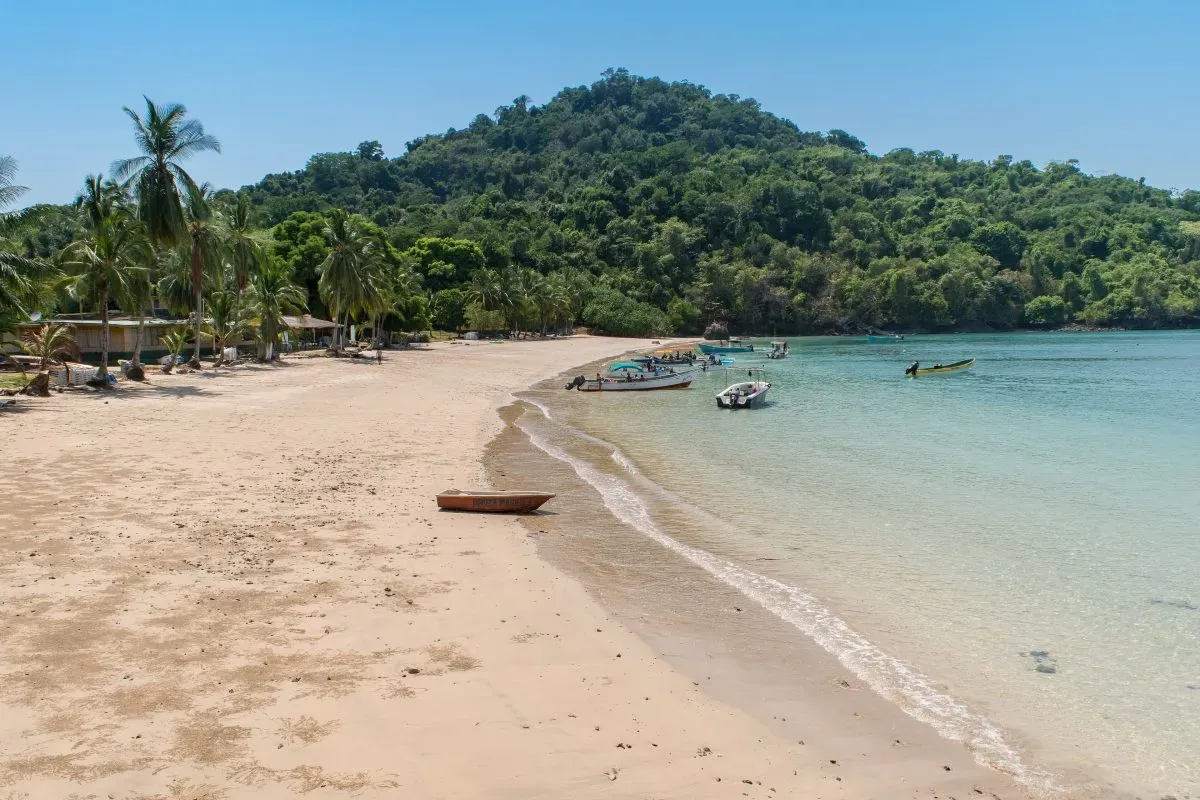
Ballarino reiterated that Coiba maintains its status as a UNESCO World Heritage site. The park also serves as a key component of the Eastern Tropical Pacific Marine Corridor. This initiative includes Panama, Costa Rica, Colombia and Ecuador. It aims to protect marine species and strategic ecosystems across the region.
According to the official, preserving these areas is fundamental for sustainable fisheries. Thousands of families depend on marine resources in the Panamanian Pacific for their livelihoods. The government wants to balance security needs with environmental protection.
Tourism operators had expressed concern about potential negative impacts. Some worried that visitors would cancel trips after news of the inmate transfer spread. Ballarino’s assurances aim to calm those fears and maintain Coiba’s reputation as a safe destination.
The deputy minister confirmed that the governing council will continue meeting regularly. These sessions will address any new concerns that arise. The council includes representatives from multiple government agencies, local communities and environmental groups.
Scientists working on the island report no disruptions to their research. The scientific station remains fully operational. International researchers continue to study the park’s unique biodiversity, including species found nowhere else on Earth.
Coiba National Park covers more than 270,000 hectares. It includes the island itself and surrounding marine areas. The park protects coral reefs, mangrove forests and tropical rainforests. Its waters host whales, sharks, sea turtles and countless fish species.
The government’s position is clear. National security operations and environmental conservation can coexist. Ballarino stressed that the inmate transfer targets specific individuals linked to criminal activity. It does not represent a broader change in how the park is managed.
Local communities in Veraguas rely on tourism revenue generated by visitors to Coiba. Hotels, tour operators, restaurants and guides all benefit from the park’s popularity. Any disruption to tourism would have economic consequences for the region.
Ballarino’s statement provides reassurance that the park remains open for business. Visitors can continue to explore its natural wonders without concern. The government will maintain its commitment to both security and conservation going forward.