


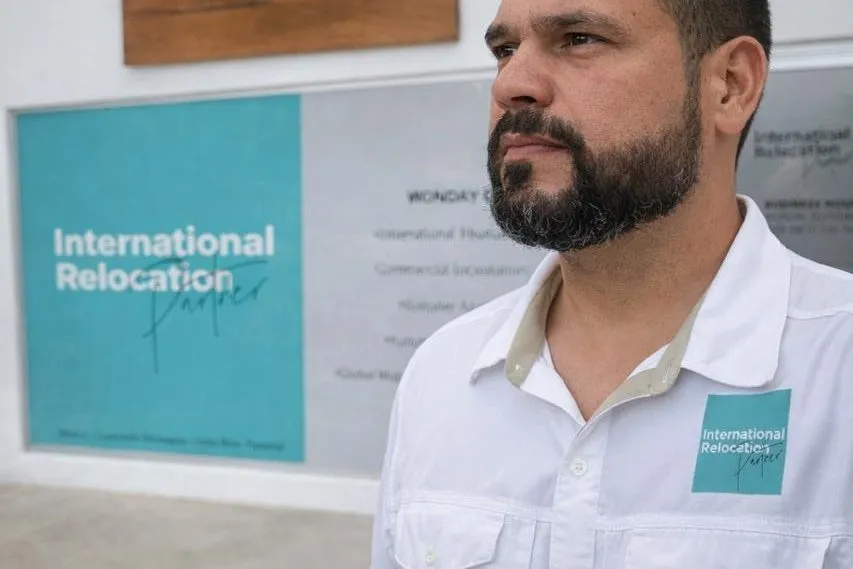
Moving to Panama presents a major logistical decision for new residents. Expats must choose between shipping their entire household or purchasing items locally after arrival. Industry experts advise caution, suggesting that a full relocation of belongings is often less practical and more costly than many anticipate.
📑 Table of Contents
Panama’s rental market and environmental conditions create specific hurdles. Many apartments and homes come fully furnished, limiting options for those with their own furniture. The country’s intense humidity can damage leather goods and wood, while termites pose a constant threat to untreated pieces.
“The initial emotional urge is to bring everything to recreate a sense of home,” said Pablo E. Arias, an international relocation veteran. “A strategic, informed approach prevents significant financial loss and stress. Storing your belongings for a trial year is a prudent test drive.” [Translated from Spanish]
Shipping a 40-foot container can cost between $15,000 and $20,000. This figure excludes customs fees, port charges, and inland transportation. The total expense often surpasses the value of replacing furniture locally, especially if an expat later decides to leave.
Choosing a Reliable International Mover
Selecting a reputable shipping company becomes critical if you proceed with an international relocation. Pablo Arias emphasizes that transparency and professional credentials are the best defenses against hidden costs. He recommends a thorough vetting process for any potential mover.
Do not rely on a company’s self-published testimonials alone. Investigate independent reviews on platforms like the Better Business Bureau. Pay close attention to how complaints about delays or customs issues were resolved. A professional operation will use a corporate email domain and maintain a detailed, informative website.
Membership in accredited global networks like the International Association of Movers signals adherence to industry standards. Be extremely wary of quotes that seem too good to be true. Lowball estimates frequently mask a bait-and-switch tactic where fees explode upon delivery.
Ask every mover for a complete breakdown of all potential charges. This list must include destination handling fees, port terminal charges, and demurrage fees for port storage. Most relocation problems occur at customs, not during transit. A qualified advisor will explain Panama’s import rules and residency requirements in detail before your shipment departs.
Embracing a Local Start in Panama
Many successful expats find that leaving most belongings behind simplifies their transition. Purchasing new items locally allows them to design a home suited for Panama’s tropical climate. This approach can be more affordable than international shipping and avoids the risk of mold or pest damage to cherished furniture.
It also fosters a mindset of embracing a new lifestyle. For those with heirlooms or specialized equipment, a smaller, curated shipment of only the most essential items is a common compromise. This balanced strategy provides comfort without the burden and high cost of moving an entire household.
This flexibility is key for many expats testing life in a new country. It allows you to start fresh without a major upfront investment. You can always ship more later once you are certain Panama is your permanent home.
Ultimately, the decision is deeply personal. Weigh the emotional value of your possessions against the practical and financial realities of moving them across borders. Whether you choose to ship a few boxes or a full container, rigorous planning and verified professional help will define the success of your move.