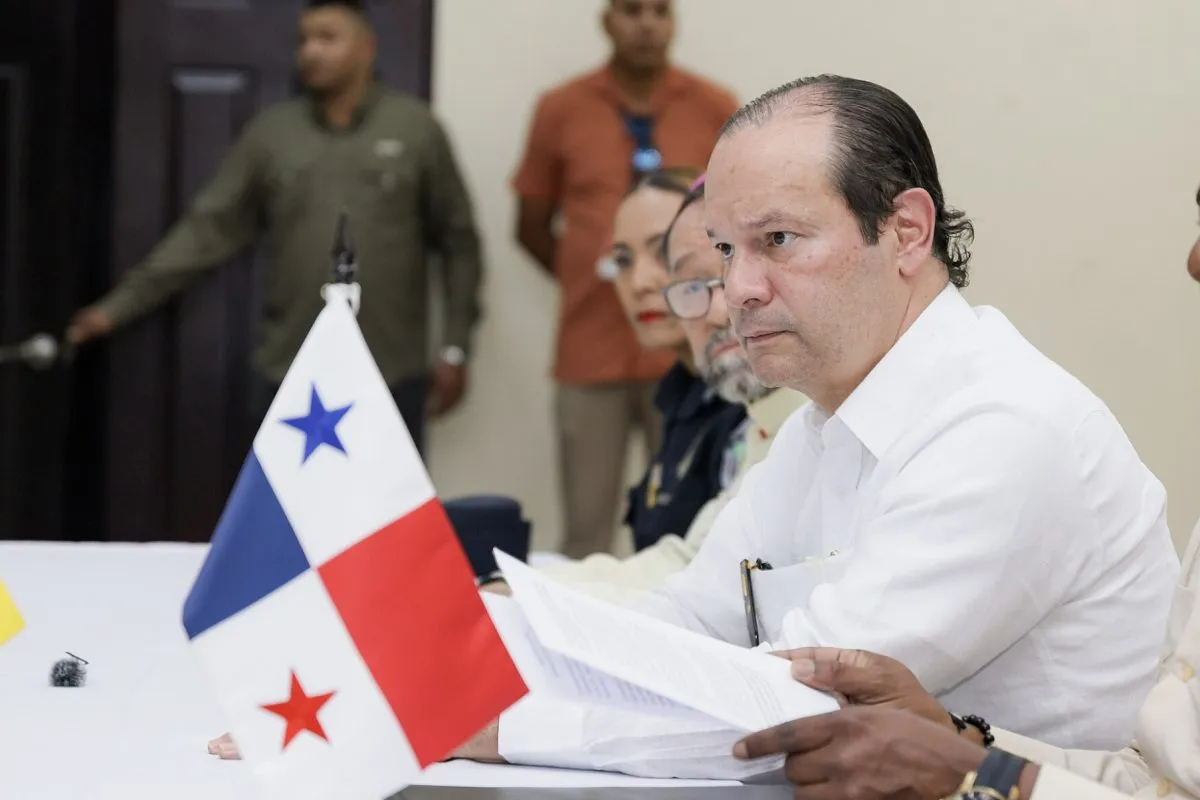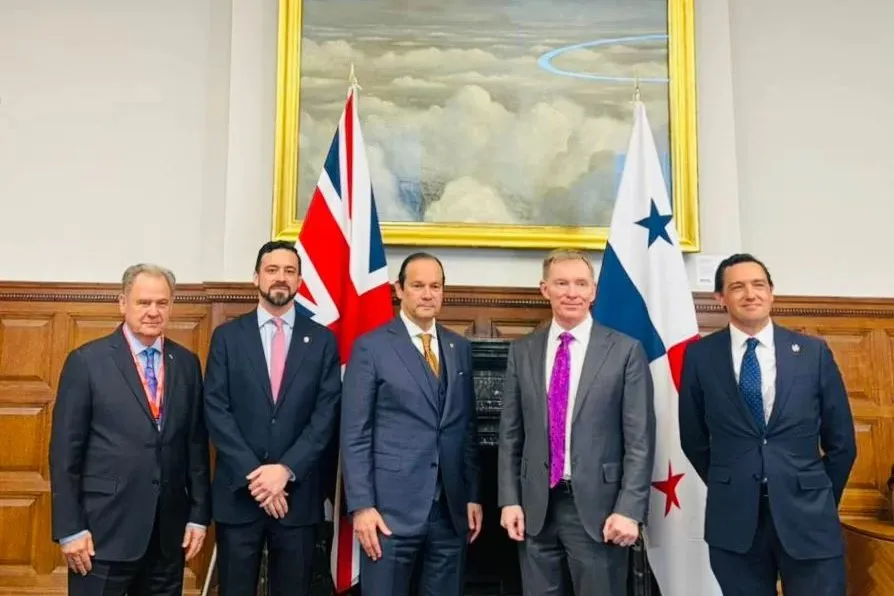
Panamanian Foreign Minister Javier Martínez-Acha Vásquez concluded a series of high-level meetings in London this week. His official visit focused on strengthening bilateral ties with the United Kingdom across infrastructure, air connectivity, and international security. The talks aimed to position Panama as a stable investment hub and a key strategic partner for Britain in Latin America.
The Ministry of Foreign Affairs detailed the minister’s packed agenda, which included discussions with British government officials and private sector leaders. Central themes were Panama’s major infrastructure projects, enhanced cooperation against transnational crime, and the pursuit of a direct flight route between the capitals.
Strengthening Multilateral Coordination and Rule of Law
An early meeting featured Chris Elmore, the UK’s Parliamentary Under-Secretary of State for Multilateralism, Human Rights, Latin America and the Caribbean. Their conversation centered on shared democratic values and international law. Both officials pledged to reinforce coordination within global forums.
“We discussed the defense of democracy, the rule of law, and respect for international law, in addition to strengthening coordination in multilateral spaces,” Martínez-Acha stated. [Translated from Spanish]
This alignment on principles, the minister suggested, provides a solid foundation for practical cooperation. It also supports Panama’s broader diplomatic efforts, including recent work through the multilateralism system to bolster its economic climate.
Showcasing Panama’s Strategic Infrastructure Portfolio
In a separate engagement, Foreign Minister Javier Martínez-Acha met with Christopher Sabatini, Director of the Latin America Programme at Chatham House. Here, he presented Panama’s portfolio of strategic infrastructure projects to an influential policy audience.
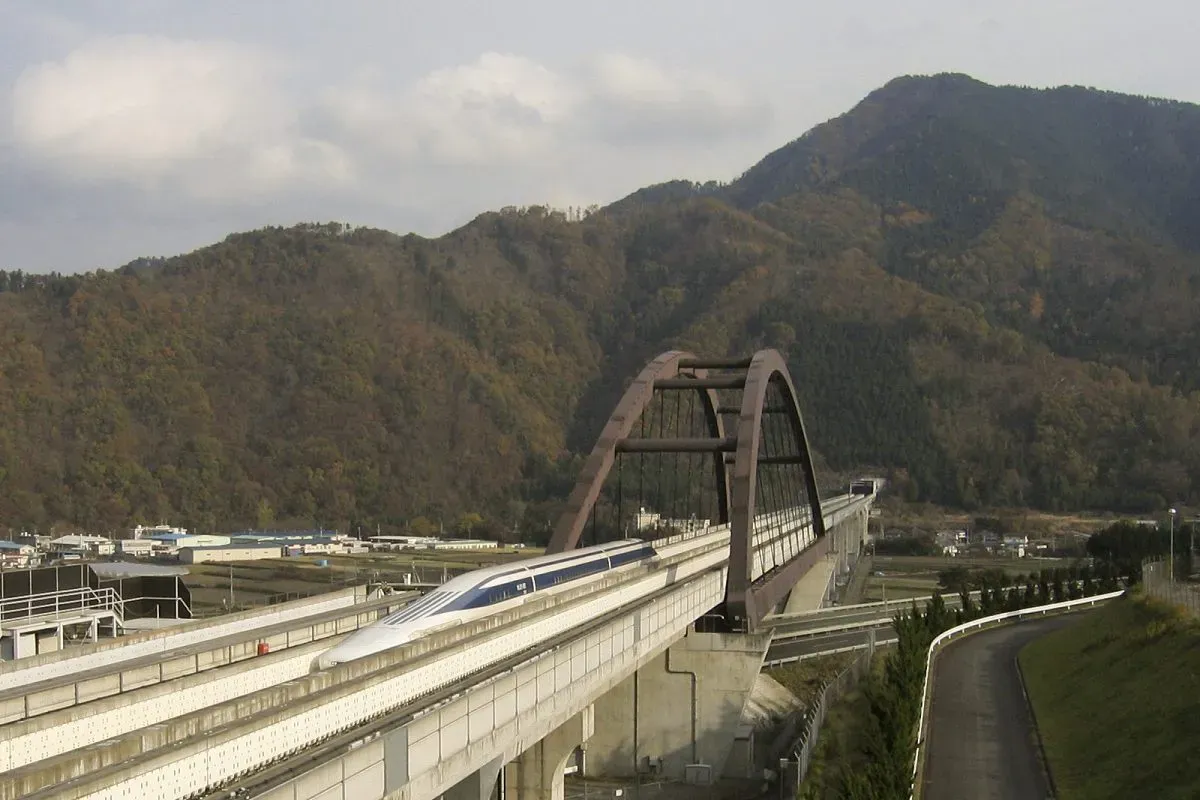
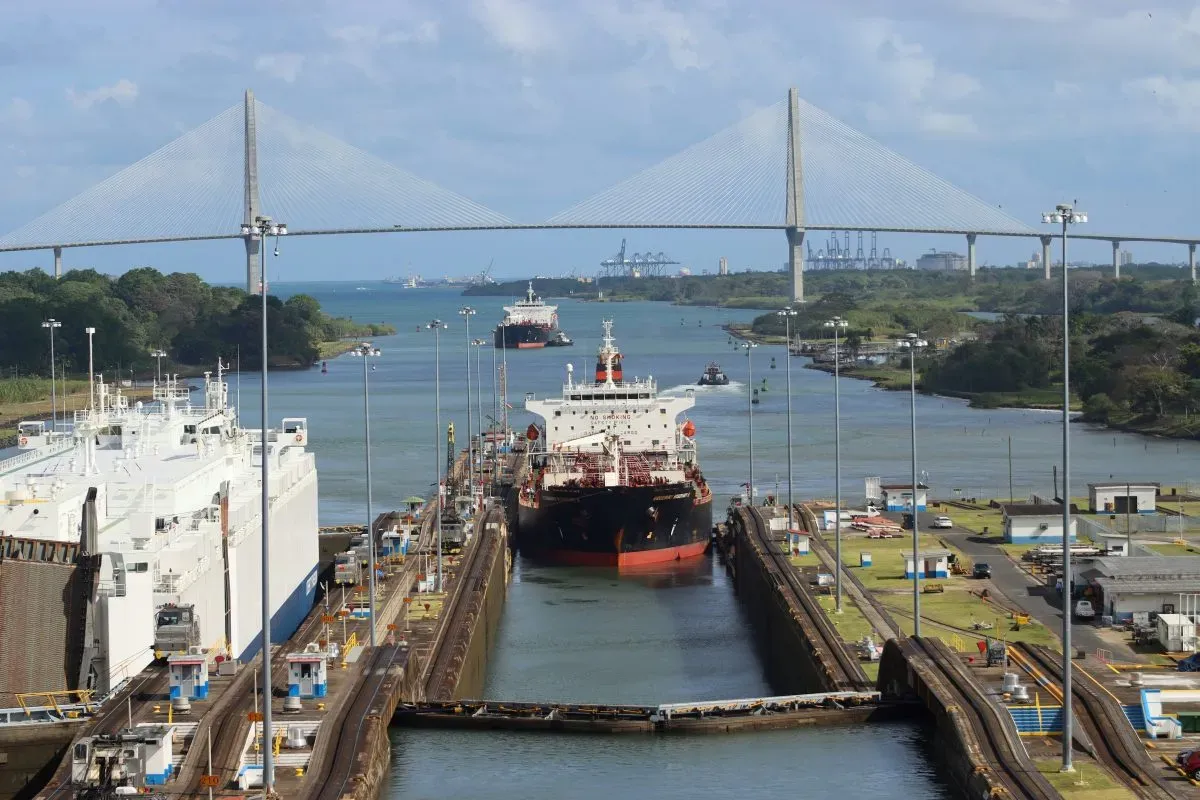
He specifically highlighted the planned railway connecting Panama City to Chiriquí province. The minister also underscored Panama’s irreplaceable role in global trade and maritime security. He reaffirmed the country’s historical commitment to the neutrality of the Panama Canal, calling it a fundamental principle for worldwide commercial trust.
Panama’s economic stability and open market were pitched as prime opportunities for British investors. Officials pointed to the nation’s potential as a regional center for tourism, business, and specialized services.
Security Cooperation and Direct Flight Negotiations
Security formed a critical part of the dialogue. Both Panamanian and British representatives agreed on the urgent need to strengthen bilateral cooperation against drug trafficking and other transnational threats. Their proposed methods include improved information sharing, leveraging new technologies, and building institutional capacity.
Perhaps the most immediately impactful discussion involved commercial aviation. The Foreign Minister met with British Airways executives Neil Chernoff and Alan Campbell. Their goal is to establish a direct air route linking London and Panama City.
Analysts believe this connection would significantly boost bilateral trade, tourism, and investment flows. It could also enhance growth in logistics, financial services, and technology sectors. A direct flight has been a long-standing objective for Panamanian business communities.
The visit’s outcomes also included progress on a memorandum of understanding focused on security cooperation. Both nations emphasized expanding academic and knowledge exchanges as a pillar for a sustainable long-term relationship.
Panama’s top diplomat reiterated his country’s interest in a strategic, results-oriented partnership with the UK. Javier Martínez-Acha framed the relationship as one built on shared principles of cooperation, trust, and global responsibility. The London talks mark a concerted effort to translate those principles into concrete economic and security agreements.