


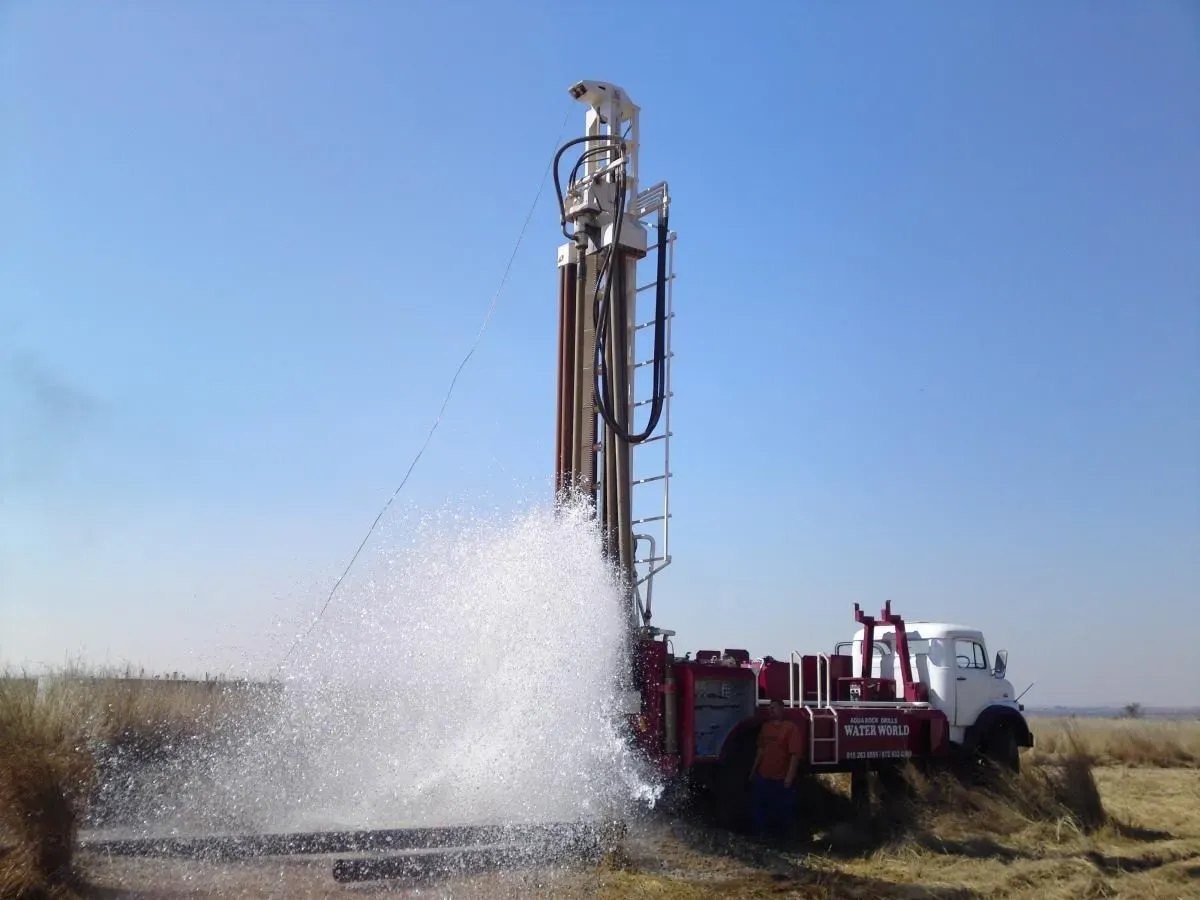
More than 100,000 residents in Panama’s Azuero Peninsula have been without running tap water for nearly a year. The government has now drilled over 50 wells as its primary response to the escalating emergency. The crisis began on May 27, 2025, when the National Institute of Aqueducts and Sewers (Idaan) shut down four water treatment plants.
Severe contamination of the La Villa and Estibaná rivers forced the shutdown. These rivers served as the main water sources for thousands of families in Herrera and Los Santos provinces. Daily life has changed dramatically for affected residents since that date.
Thousands of households now lack regular access to drinking water. Families depend on tanker trucks or must buy bottled water. This has created serious economic pressure on already strained household budgets.
The situation is far worse in remote rural communities. Some residents walk long distances to find safe water. Others collect rainwater for basic needs like cooking, cleaning, and bathing.
Dry Season Worsens an Already Critical Situation
The arrival of the dry season has deepened the crisis. Reduced rainfall has limited alternative water sources significantly. Communities that once had reliable access now wait anxiously for tanker truck deliveries.
Health Minister Fernando Boyd Galindo toured Los Santos province recently. He outlined a plan combining immediate relief with medium and long-term solutions. The goal is guaranteeing safe water access across the entire Azuero region.
More than 50 wells have already been constructed in the area. Several are now operational, while others remain under development. The government plans to build 71 additional wells in Los Santos province alone.
Antonio Manuel Tercero González, the newly appointed director of Idaan, provided further details. He awaits ratification by the National Assembly. His team has intervened on 58 wells, many previously operational but offline due to equipment failures.
“We are going to request support from all necessary sectors to obtain a clear diagnosis of the situation and define how to face it,” Boyd Galindo explained. “At the same time, we are advancing with immediate solutions to guarantee water supply to the population.” [Translated from Spanish]
“Vamos a solicitar apoyo de todos los sectores necesarios para obtener un diagnóstico claro de la situación y definir cómo enfrentarla. Paralelamente, avanzamos con soluciones inmediatas para garantizar el abastecimiento de agua a la población,” explicó Boyd Galindo.
The plan also includes upgrading the Roberto Reyna and Rufina Alfaro water treatment plants. Network distribution improvements across Azuero are part of this long-term structural strategy.
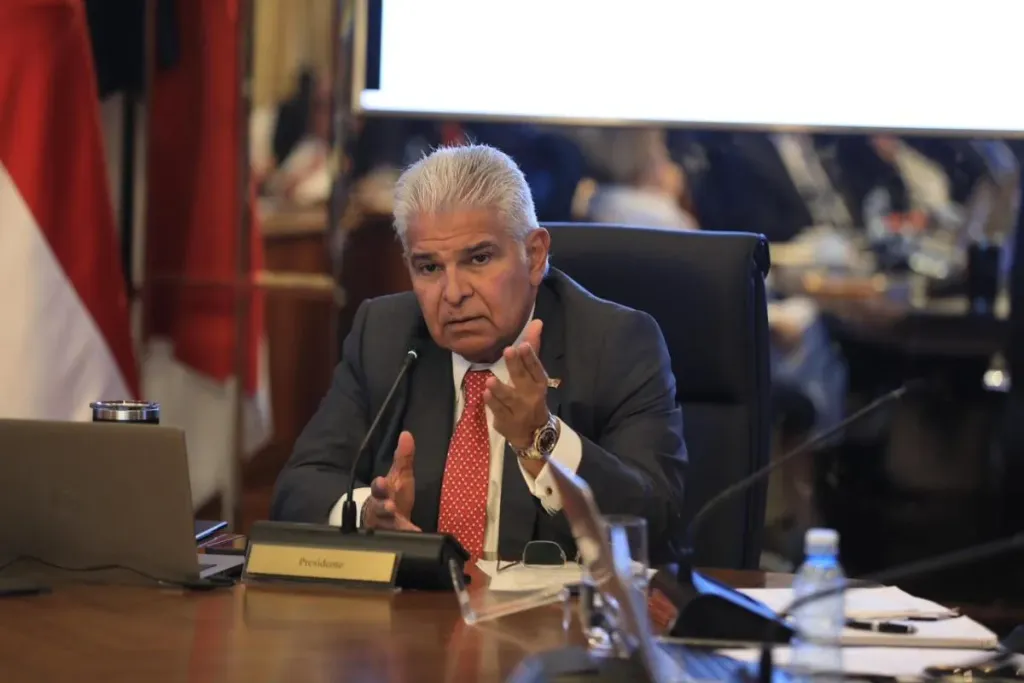
President Mulino Makes Water Crisis a Cabinet Priority
President José Raúl Mulino addressed the crisis during an expanded Cabinet Council meeting in Los Santos. He stated the water emergency was the central focus of the gathering. The current strategy prioritizes faster, lower-cost solutions like well drilling.
Larger projects such as new treatment plants remain on the table. “I am not ruling out one thing for another, neither because it is cheap nor because it is complicated,” Mulino said. “It is simply what we can do now.” [Translated from Spanish]
“No estoy descartando una cosa por otra, ni por barato ni por complicado. Es, sencillamente, lo que podemos hacer ya,” expresó.
Mulino emphasized that Azuero still needs more water sources. He insisted Herrera and Los Santos must be treated as a single priority. “Azuero is both provinces, Los Santos and Herrera. That is the problem we have to solve,” he affirmed. [Translated from Spanish]
“Azuero son las dos provincias, Los Santos y Herrera. Ese es el problema que tenemos que resolver,” afirmó.
The president acknowledged failures in previous administrations. He pledged his government would take responsibility for correcting those mistakes.
Long-Term Plans Include Major Treatment Plant but Wells Come First
In July 2024, Mulino mentioned a large treatment plant on the upper Santa María River basin. That project aimed to supply drinking water to Herrera, Los Santos, and parts of Veraguas province. But the current strategy has shifted toward immediate solutions.
The urgency of the crisis drove this change in approach. Well drilling offers faster results than building major infrastructure. Authorities are not abandoning larger projects entirely, just prioritizing what can work now.
Water quality management has been inconsistent throughout the crisis. On February 25, Idaan and the Ministry of Health (Minsa) declared water in Llano de Piedra, Las Tablas, safe for human consumption. Tests had met established standards at that time.
Just weeks later on March 21, Minsa issued a new warning. Water in Llano de Piedra and Las Tablas was no longer safe to drink. Quality alterations included microorganisms above permitted levels.
Officials recommended boiling water for three to five minutes before consumption. That warning remains in effect today. Minsa continues to insist boiling is necessary as a preventive measure.
Storage Tanks and Tanker Trucks Provide Temporary Relief
As part of the immediate response, authorities have installed storage tanks in various communities. These tanks hold 2,500, 5,000, and 10,000 liters of water. Tanker trucks keep them supplied on a regular schedule.
The Water crisis affecting Azuero reflects broader challenges facing water systems worldwide. Climate change, pollution, and infrastructure failures combine to threaten access to safe drinking water for millions.
For the people of Azuero, each day brings new uncertainty. Will the tanker truck arrive today? Is the well water safe to drink? When will the taps run again?
These questions have no easy answers. Government officials say they are working on solutions. But for more than 100,000 residents, the wait continues with no clear end in sight.