


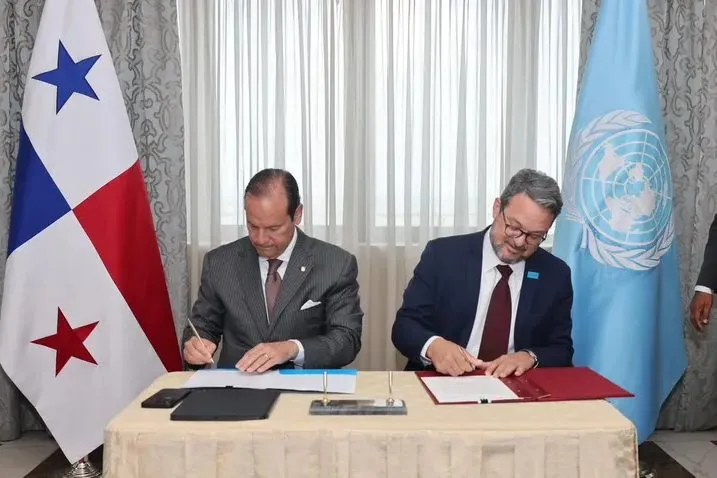
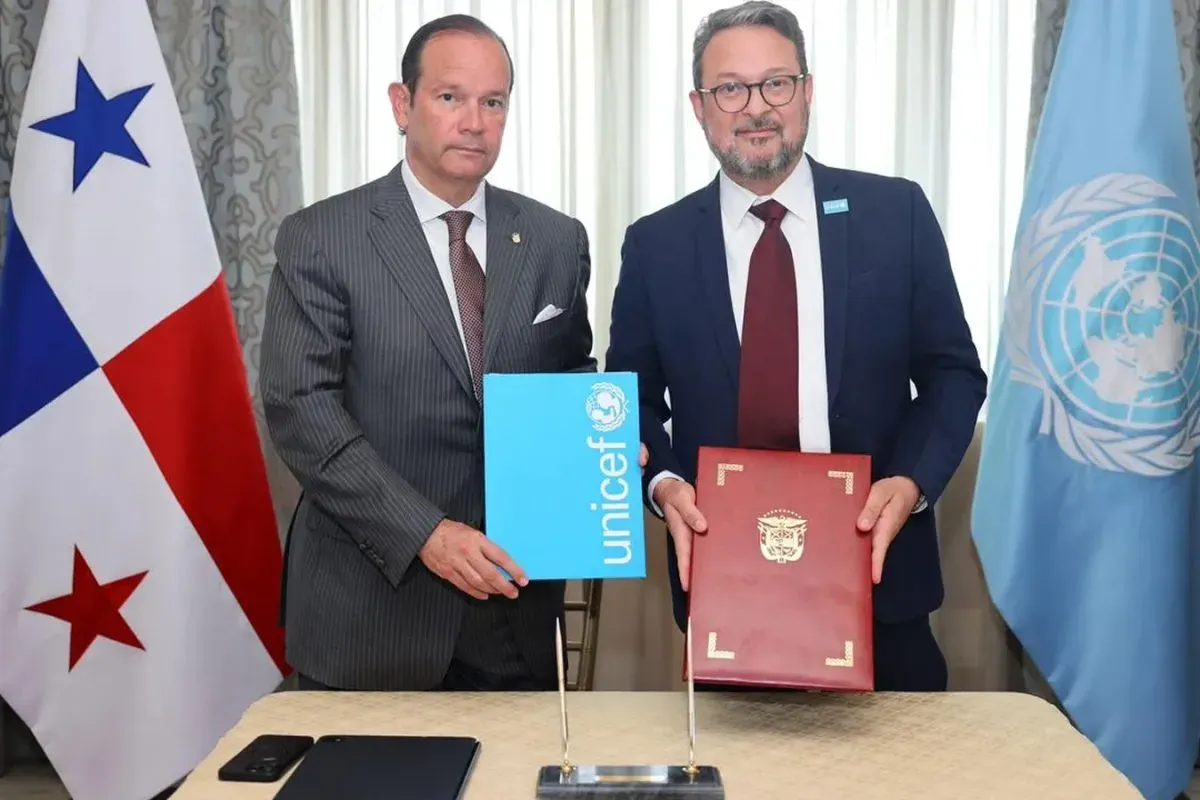
Panama has secured a new international presence on its soil. The Government of Panama and UNICEF formalized an agreement on Thursday to establish a global office in the country. This new structure will coordinate technical assistance and specialized support for child-focused public policies across multiple nations.
The officialization took place through an exchange of letters between both parties. It marks a significant step forward in Panama’s relationship with international agencies operating at regional and global levels. The office will function as a center for articulating UNICEF’s knowledge and technical capacities. It connects directly with other hubs located in Nairobi, Amman and Bangkok.
According to official announcements, the Panama hub will bring together more than 30 experts from various regions. It will serve as a liaison point to mobilize specialized support for governments requiring assistance in areas linked to the rights of the child. The facility represents a strategic investment in multilateral cooperation infrastructure.
Global Hub to Coordinate Technical Support for Children
The office’s functions will include generating evidence and providing technical support. It will also collaborate on designing public policies aimed at improving living conditions for children and adolescents. For UNICEF, this installation responds to the urgent need to strengthen international cooperation mechanisms. Social and humanitarian challenges today demand coordinated and sustained responses from the global community.
“This agreement reinforces our capacity to support governments with solutions of greater scope and quality,” said Carlos Acosta, interim director of the global office. [Translated from Spanish]
Panama’s Foreign Minister Javier Martínez Acha Vásquez spoke during the signing ceremony. He emphasized what this development means for the nation’s international standing. The new facility positions Panama within a global network of technical coordination for UNICEF operations.
“This reaffirms Panama’s commitment to international cooperation and social development,” stated Chancellor Javier Martínez Acha Vásquez. [Translated from Spanish]
Multilateral organizations are currently seeking to decentralize their operations. They want to strengthen regional platforms capable of responding faster to pressing issues. These include poverty, migration, education and child protection. The timing of this agreement aligns perfectly with those broader strategic goals.
Strategic Location in a Changing World
Panama offers unique advantages for such a facility. Its geographic position connects North and South America. The country has established itself as a regional logistics and services hub. These factors made it an attractive choice for UNICEF’s newest global center.
The office will serve as a knowledge exchange space between countries. Both parties aim to promote sustainable public policies focused on childhood development. This represents a concrete step toward better coordinated international efforts. The hub will mobilize expertise where it is needed most.
International observers have noted the significance of this move. It demonstrates Panama’s growing role in global governance structures. The country already hosts numerous regional headquarters for international organizations. This latest addition strengthens that position considerably.
Work on establishing the office will begin immediately. Officials expect it to become fully operational within the coming months. The 30-plus experts will come from diverse professional backgrounds and geographic regions. Their combined expertise will serve governments seeking to improve outcomes for children.
This agreement reflects a shared vision between Panama and UNICEF. Both parties recognize that childhood challenges cross national boundaries. Effective solutions require coordinated international responses. The new global office provides exactly that kind of collaborative framework.
For Panama, this represents more than just another international office. It signals the country’s maturation as a responsible global actor. The public policies developed through this hub will benefit children far beyond Panama’s borders. That broader impact was central to the agreement’s approval.