


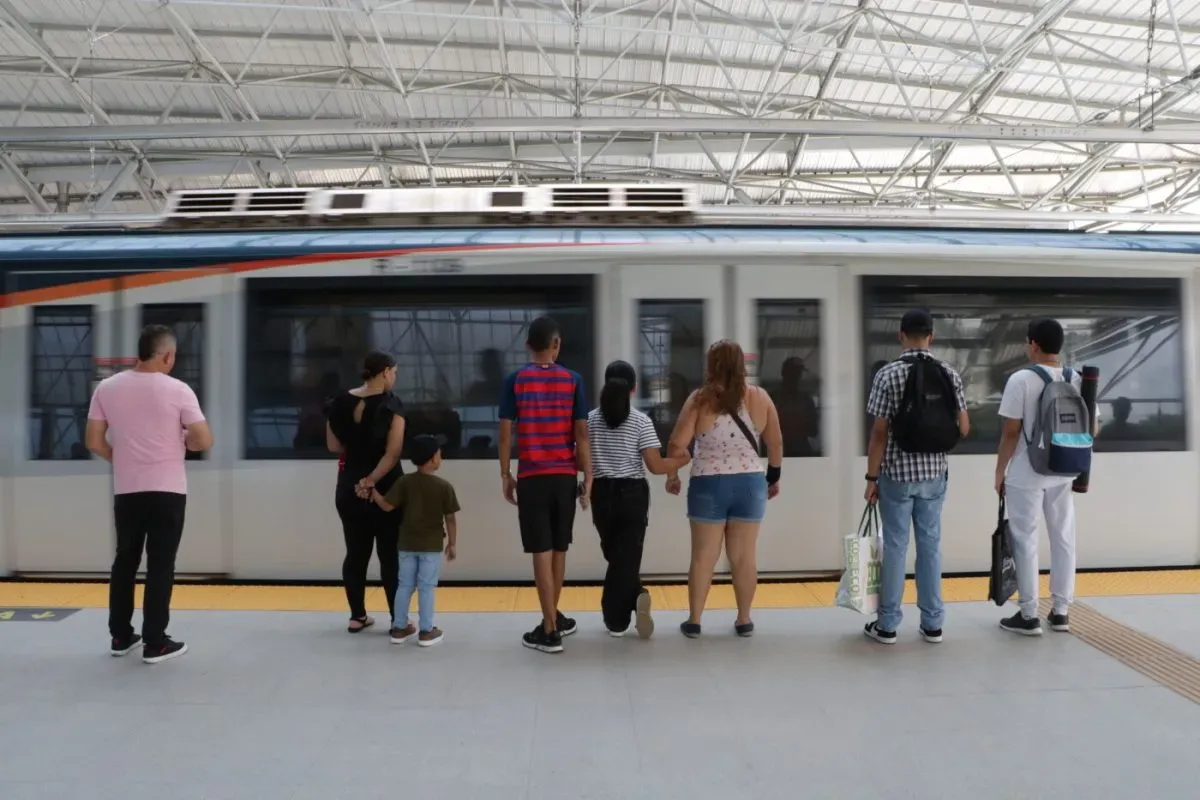
Panama City’s metro system will implement a new operational plan starting Monday, May 11. The move comes as daily ridership surges past 420,000 passengers. Officials attribute the increase directly to rising fuel prices.
The Panama Metro designed the strategy to optimize service management. It addresses a sustained rise in user demand recorded over recent weeks. The plan focuses on improving passenger flow at terminal stations during peak hours, both morning and evening.
Dual Platform Boarding at Terminal Stations
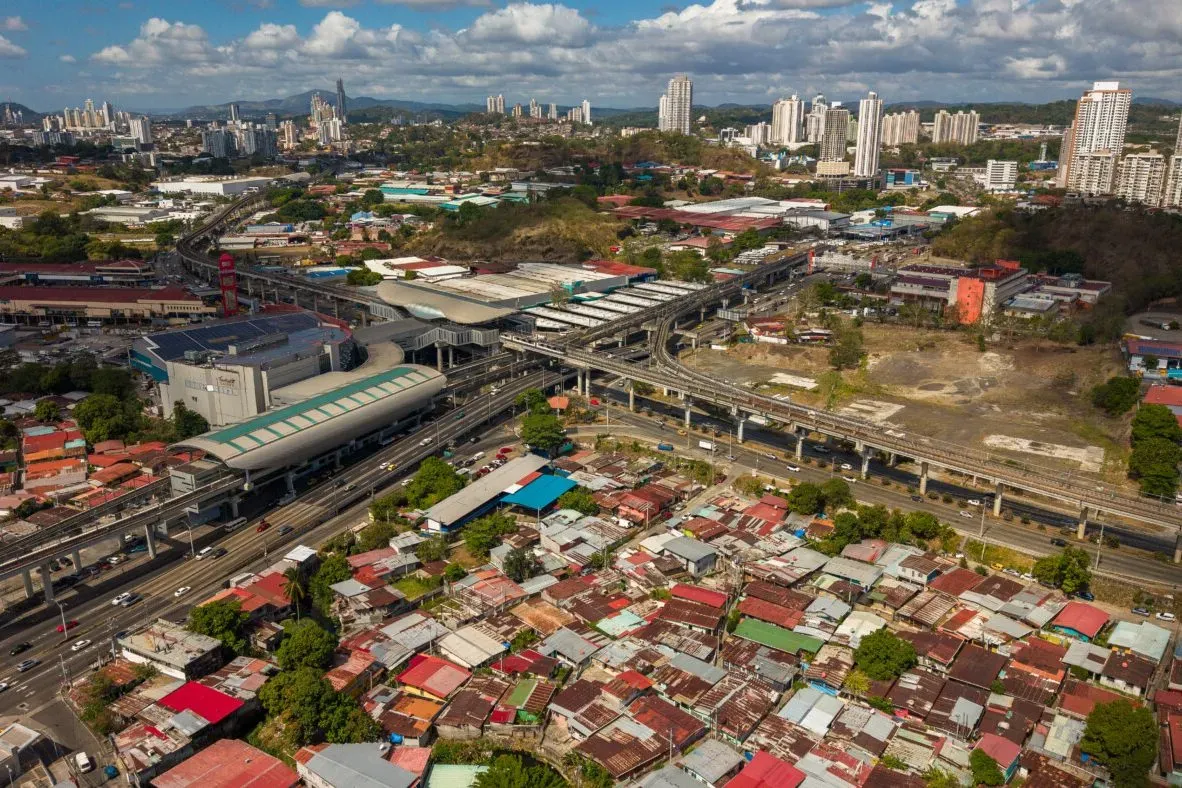
The new plan enables train boarding from both platforms at terminal stations. On Line 1, this approach will operate at Villa Zaita and Albrook stations. Line 2 will implement the system at San Miguelito 2.
Metro officials explained this operation allows for more efficient user distribution. It helps reduce passenger concentration on platforms. Trains will alternate their arrival on both platforms, optimizing turnaround times during direction changes.
This method increases the system’s overall transport capacity. The entity emphasized that trains will arrive with more available space at high-demand stations like Los Andes and San Miguelito.
“We have the necessary railway control systems to guarantee a safe and orderly operation,” a Metro de Panama spokesperson said. [Translated from Spanish] “This procedure is part of technical schemes previously evaluated and will be applied in a supervised and controlled manner.” [Translated from Spanish]
Ridership Numbers Climb Sharply
Official figures show the system moved roughly 380,000 daily passengers last month. That number has now jumped to approximately 420,000 users. The growth represents a considerable surge in demand.
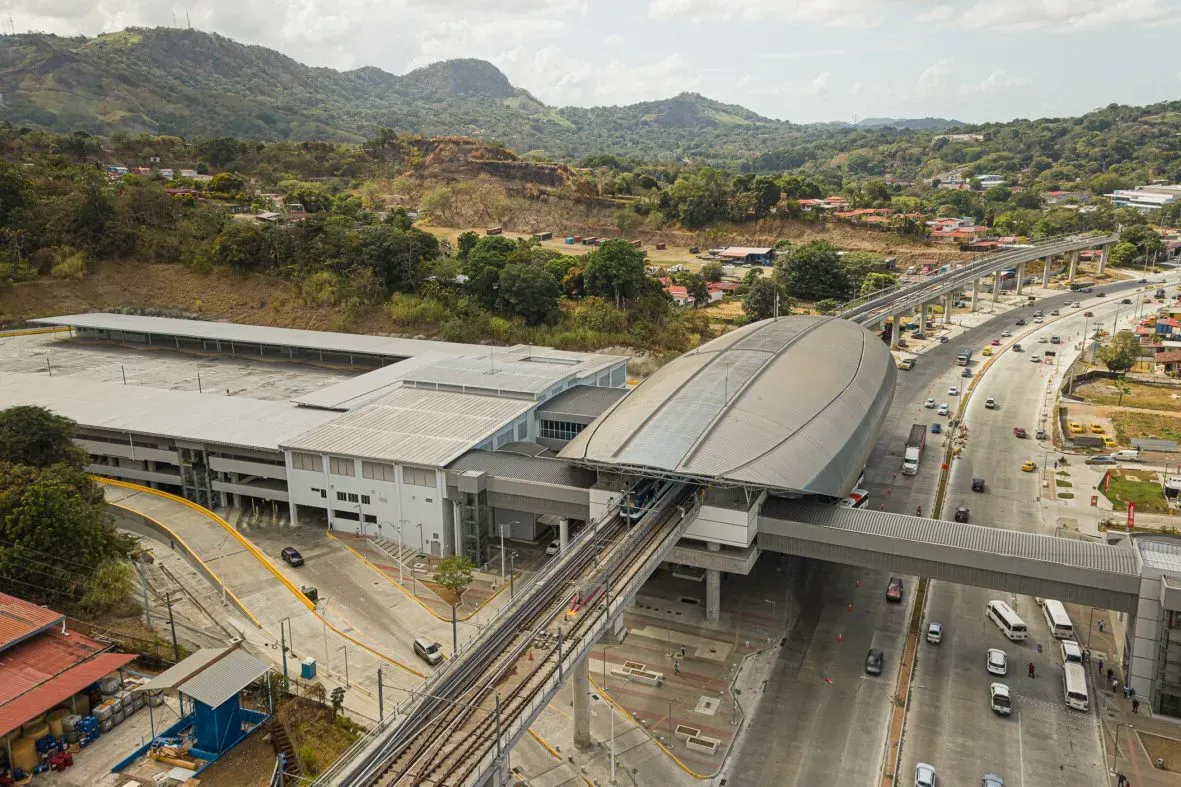
Specific stations show even more dramatic increases. After the Villa Zaita interchange opened, that station reported nearly 4,900 additional users. That marks an 11 percent rise in demand at that location alone.
Metro officials see these numbers as evidence of changing mobility patterns. More people are choosing the railway system as an alternative to expensive car travel. The trend reflects broader shifts in public transportation demand management across the capital.
Passenger Guidelines and Next Steps
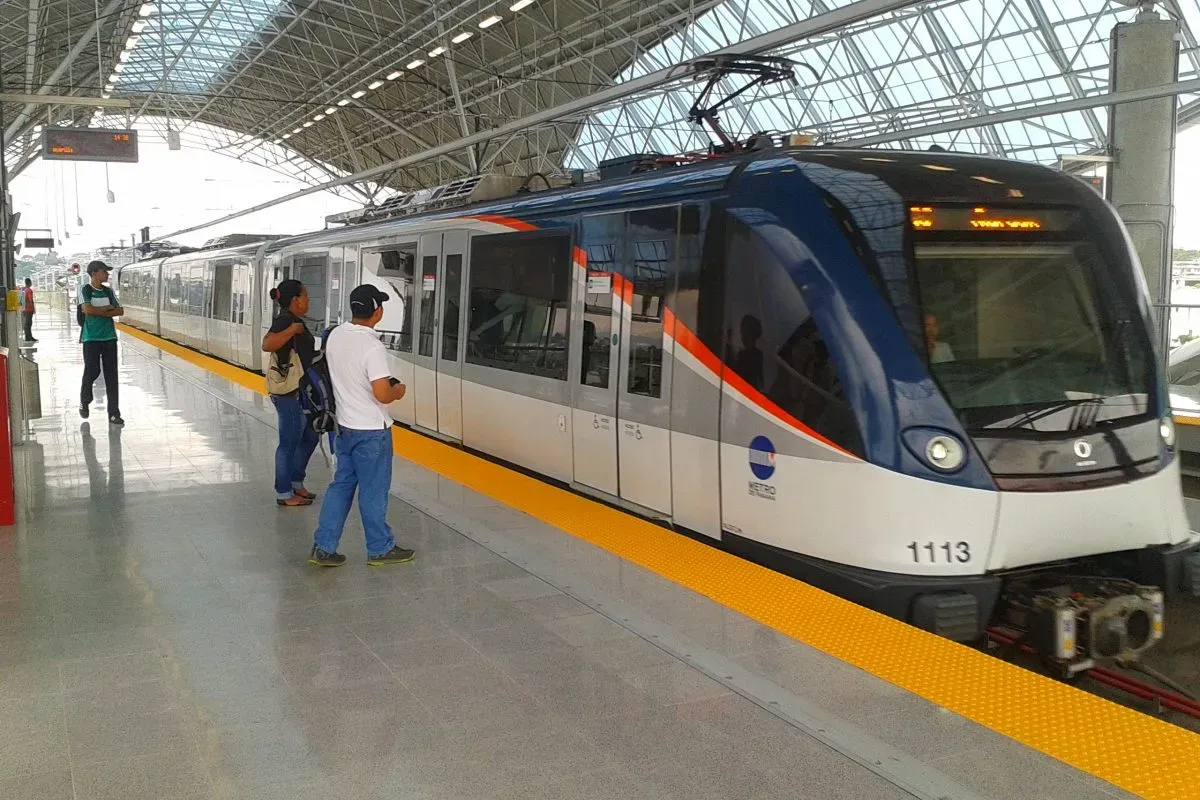
The Metro urged users to follow station staff instructions. Personnel will guide passenger flow during the new measures. Travelers should use the designated platforms according to the active operation.
Officials also recommended allowing passengers to exit before boarding. Maintaining order on stairs and in circulation areas remains crucial. The entity advised planning trips in advance to avoid delays.
The implementation begins Monday morning during peak commute hours. Metro operators will monitor the system closely. Adjustments may follow based on real-time performance data.
This operational shift represents the latest effort to modernize Panama City’s transit network. Rising fuel costs continue to push more residents toward public transportation. The metro system must adapt quickly to serve this growing user base effectively.