


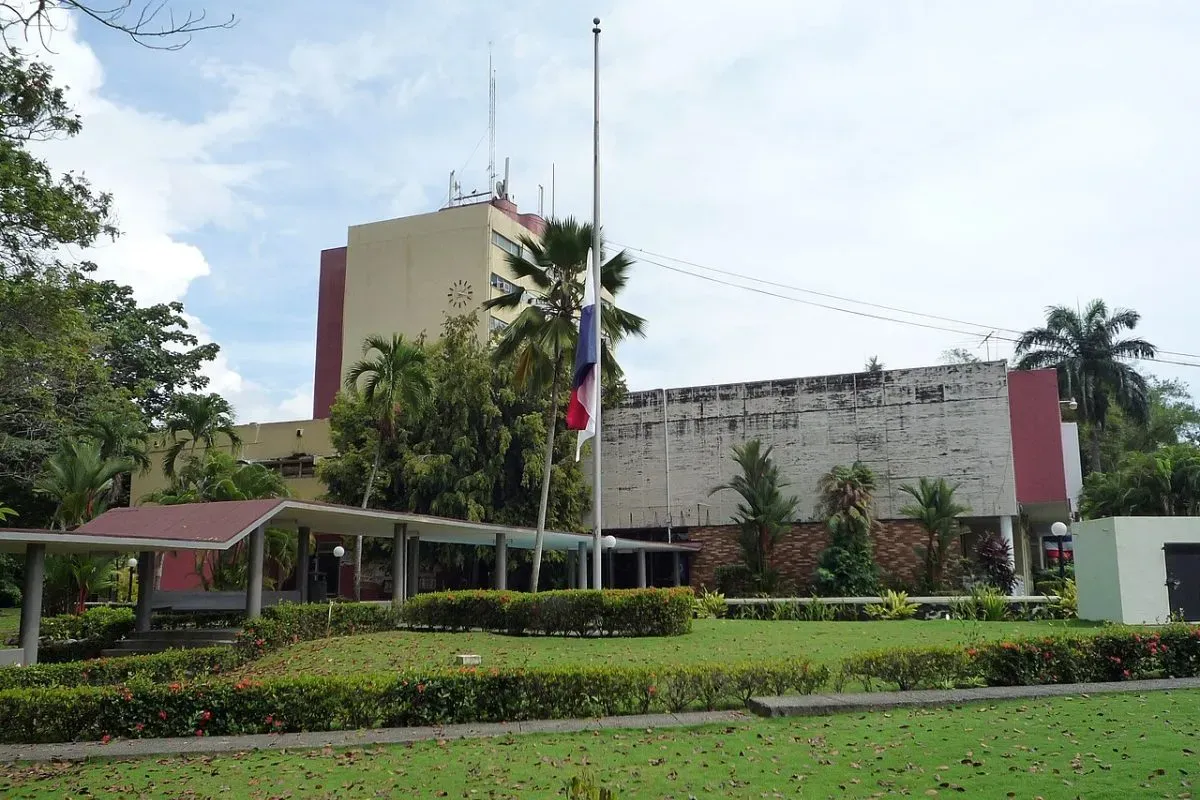
The University of Panama is preparing for a historic voting day. More than 55,000 members of the university community will head to the polls on July 1. The election will determine who leads the country’s largest institution of higher education for the coming term.
Rufino Fernández, president of the University Electoral Organism, confirmed that logistics are fully in place. Campaign activities officially end on June 29. The voting pool includes 52,030 students, 4,011 professors and 3,958 administrative staff members. They will select a new rector along with deans, vice-deans and regional directors across 16 faculties and 9 regional campuses.
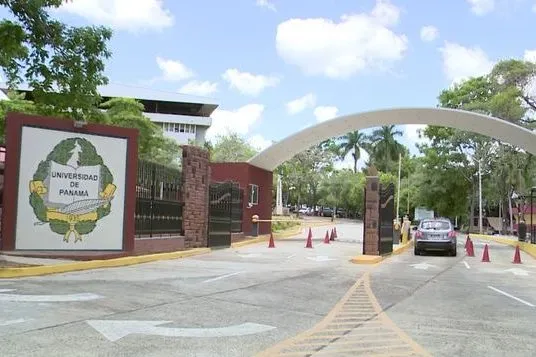
This marks a shift from earlier plans. The electoral body changed the schedule through Resolution No. 178-2026, consolidating everything into a single day. Fernández stated that the Central Scrutiny Board has been installed to oversee vote counting and certify official results. The board includes 11 members, with five faculty representatives, three students and three administrative staff, following university election regulations.
‘We have the infrastructure ready to guarantee a smooth electoral process for everyone involved’ [Translated from Spanish]
The university has prepared the Manuel E. Amador Gallery as the main operations center. This location will house the Central Scrutiny Board and accommodate election observers. Officials confirmed that voting booths, ballot boxes and technological equipment are already in place to ensure continuous voting and counting.
Six Candidates Compete for Rector Position
Six candidates have qualified to run for rector. The University Electoral Organism verified that each meets requirements under Law 24 of 2025, the university statute and general election regulations. The candidates are Dr. César García, Migdalia Bustamante, Dr. José Emilio Moreno, Corina Pérez Coronado, Roberto A. Chong and Denis Chávez.
Voting eligibility follows specific criteria. Faculty members need at least three years of seniority with current teaching activity. Administrative staff must have five or more years of permanent or temporary service. Students must be regularly enrolled in the second semester of 2025 and listed on the final electoral registry.
The electoral process in universities follows strict protocols to ensure transparency. The Central Scrutiny Board will validate all results before any official announcement. This structure mirrors broader Panama higher education governance standards that emphasize fair representation across faculty, student and administrative groups.
The election will renew leadership across the entire academic structure. A new rector will guide the institution while fresh deans and regional directors take charge of their respective departments. The University expects the transition to bring new perspectives to academic administration and strategic planning.
Observers will monitor the process throughout the day. The university has invited representatives from various sectors to witness the voting and counting procedures. This openness aims to build trust in the electoral system and ensure all parties accept the final results.
Turnout could be significant given the high number of registered voters. Students make up the largest voting bloc at 52,030 people. Their participation will heavily influence the outcome, especially in races where student concerns about tuition, academic quality and campus services dominate the debate.
The July 1 election represents a major moment for Panama’s educational landscape. The University of Panama graduates thousands of professionals each year across fields ranging from medicine to engineering. Leadership changes at this institution often signal shifts in national education policy and academic priorities.