


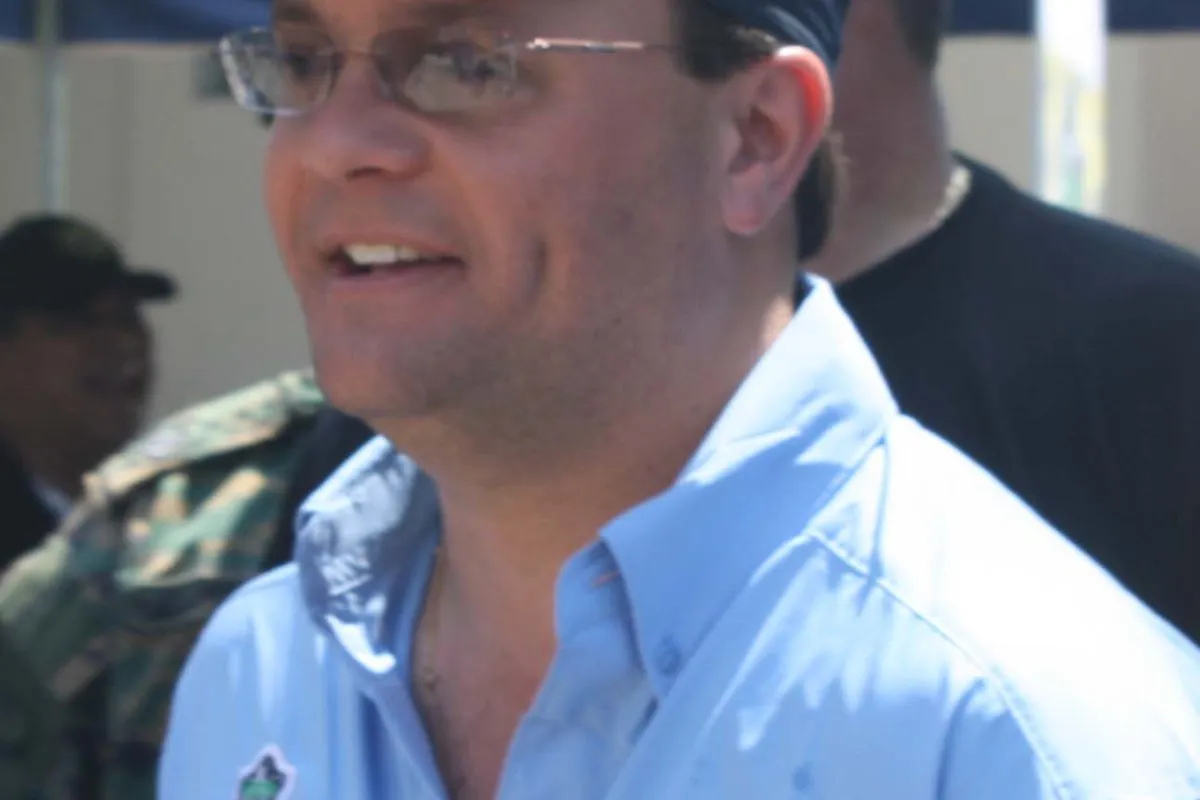
The future of copper mining in Panama hangs in the balance as government officials begin face-to-face talks with local leaders. Commerce and Industries Minister Julio Moltó confirmed that his team has started engaging directly with mayors from regions directly affected by mining operations. These conversations mark a new phase in the government’s review of a comprehensive audit report on the Cobre Panama mine.
Moltó met with the mayors of Donoso Panama, La Pintada, and Omar Torrijos districts. The goal was straightforward. He wanted to hear their concerns firsthand. “Definitively, listening to them was vital for us,” Moltó said.
‘We are evaluating each of the areas that fall under our responsibility within the report. Yesterday we had a first face-to-face meeting with the three mayors to hear directly, as representatives of that population, their comments and how they feel about this issue’ [Translated from Spanish]
Multiple Ministries Review the Audit Findings
The Ministry of Commerce and Industries Panama is not working alone on this evaluation. Each relevant government agency is examining the audit from its own specific angle. Environment Minister Juan Carlos Navarro is analyzing the environmental components. Economy and Finance Minister Felipe Chapman is reviewing the financial and economic aspects. The Commerce Ministry itself is focusing on employment impacts.
This multi-pronged approach shows how complex the situation has become. The Cobre Panama mine audit covers a wide range of issues that touch on environmental regulations, financial obligations, and community welfare. Moltó emphasized that every institution is reviewing the parts that correspond to their expertise. The process demands careful consideration of technical details alongside human concerns.
The minister confirmed that meetings will continue next week. Different cabinet members responsible for analyzing various sections of the audit report will keep gathering to discuss their findings. This ongoing dialogue suggests the government is taking a methodical approach rather than rushing to judgment.
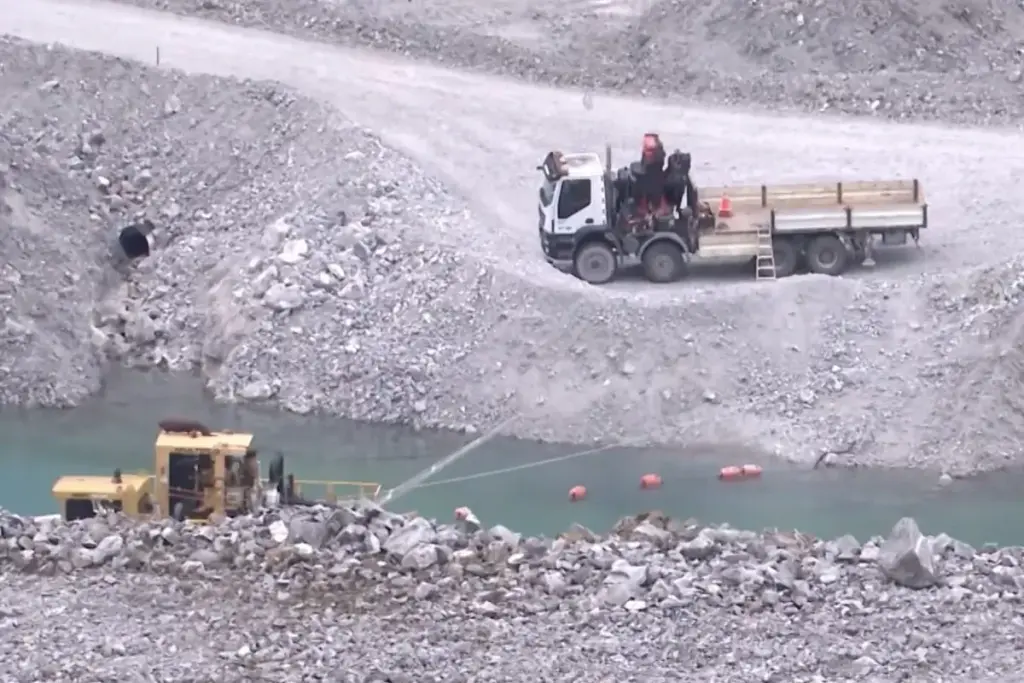
Community Voices Take Center Stage
What makes this process stand out is the emphasis on local input. The mayors who met with Moltó represent communities that have lived alongside mining operations for years. Their residents have experienced both the economic benefits and the environmental costs of large-scale mineral extraction.
Moltó described the meetings as a chance to hear “first voice” perspectives. He wanted to understand how people in these districts truly feel about the mining activity and its future. These consultations are not just symbolic gestures. They form an official part of the government’s evaluation process before any final decisions are made.
Panama’s mining sector has been a source of heated national debate. Supporters point to thousands of jobs and significant tax revenues. Critics raise concerns about water contamination, deforestation, and long-term environmental damage. The current audit aims to provide objective data that can inform policy decisions.
Economic Stakes for the Region
The districts involved in these talks face uncertain economic futures. Mining has provided steady employment for many families in Donoso and surrounding areas. A sudden shutdown or major operational changes could ripple through local economies that depend on mining-related businesses.
At the same time, the government must weigh these economic factors against environmental protection obligations. Panama has international commitments to sustainable development and biodiversity conservation. The News Editorial Panama City has covered how these competing priorities create tension in national policy discussions.
The audit report itself represents months of investigation and analysis. Its findings will likely shape Panama’s mining policy for years to come. Government officials have not revealed specific conclusions from the report yet. They are still in the review phase, collecting input from various stakeholders before announcing any decisions.
Moltó’s approach of engaging local leaders early in the process could set a precedent for how Panama handles contentious resource management issues. Rather than making top-down decisions, the government appears to be building consensus from the ground up. Whether this strategy leads to smoother implementation or simply delays difficult choices remains to be seen.
The coming weeks will be critical. As different ministries complete their assessments and more community consultations take place, the path forward for Panama’s mining sector will become clearer. For now, the government is sending a message that all voices matter in this important national conversation.