


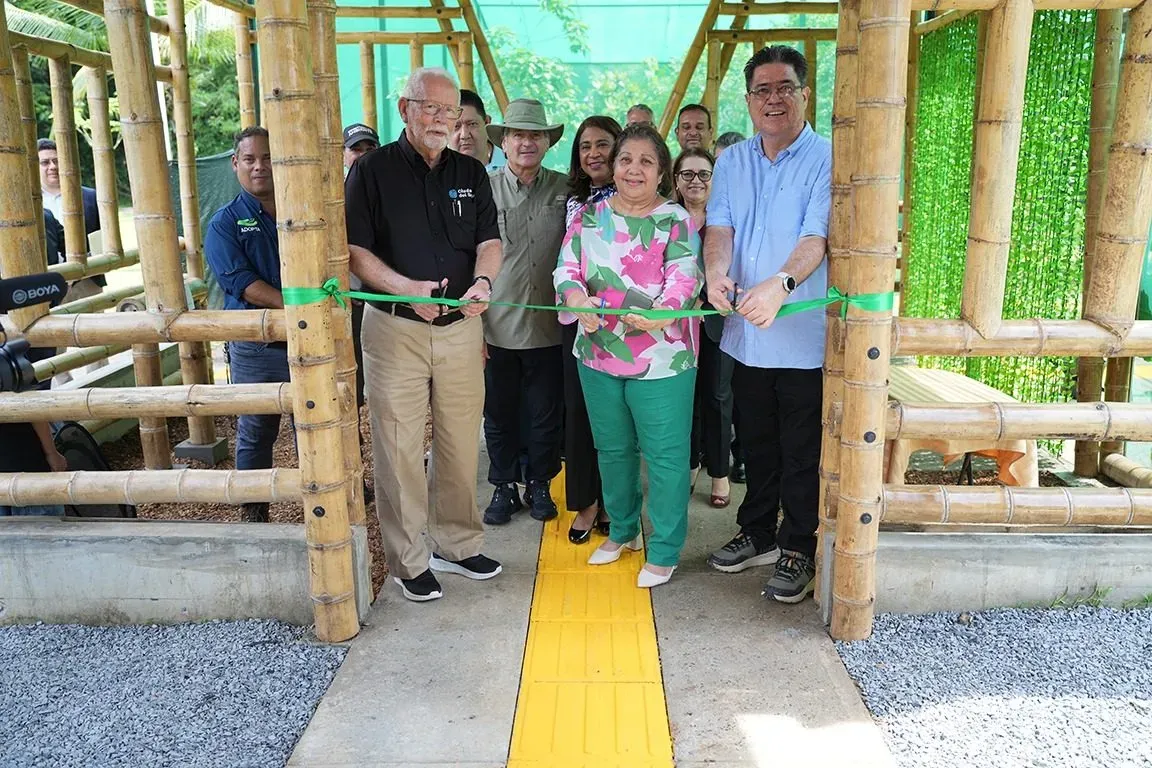
Deep inside Panama City’s urban jungle, a different kind of development is taking root. The Ministry of Environment Panama and the Metropolitan Natural Park Board have unveiled a new complex designed to bring people closer to nature while protecting some of the country’s most fragile ecosystems. The Tropical Forest Refuge, inaugurated on July 9, 2026, marks the 41st anniversary of this protected area that sits surprisingly close to the capital’s skyline.
The facility combines a nursery, a greenhouse, and a butterfly garden into one integrated space. Officials say the project responds to growing public interest in reforestation efforts, plant rescue programs, and environmental education workshops. More people want to get involved, and the old infrastructure simply could not keep up.
“The new refuge represents a significant step forward for our conservation programs” [Translated from Spanish], a Ministry of Environment Panama representative said during the inauguration ceremony. “We needed modern facilities to match the enthusiasm of the community.”
A Hub for Restoration and Research
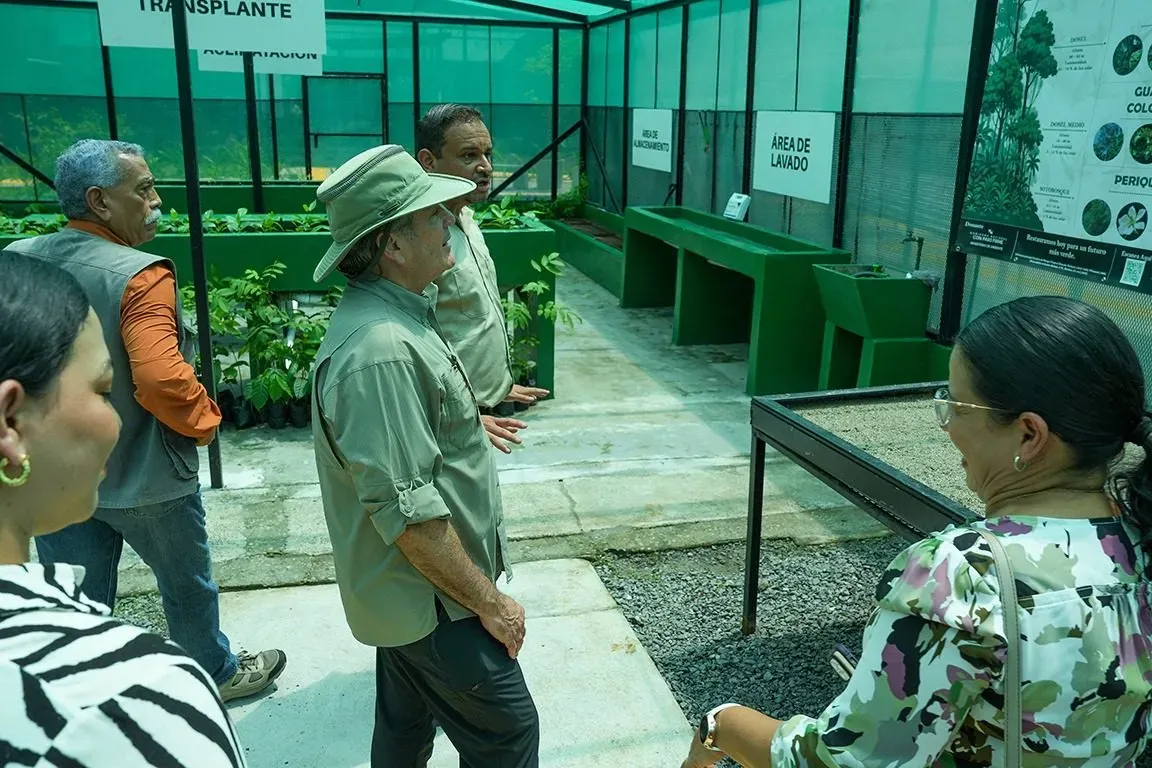
The centerpiece of the refuge is the Heliconias Nursery, dedicated to increasing production of native plant species. These plants will support ecological restoration projects and landscaping efforts across the region. Right next to it stands a new hydroponic greenhouse, which serves a dual purpose. It allows for plant propagation under carefully controlled conditions while also functioning as a laboratory for training and research.
This greenhouse setup matters more than it might seem. Tropical forest conservation efforts often struggle with seedling availability. By controlling temperature and humidity, workers can grow stronger plants that survive better when transplanted into degraded areas. The greenhouse also gives students and volunteers a hands-on space to learn about plant biology and sustainable agriculture.
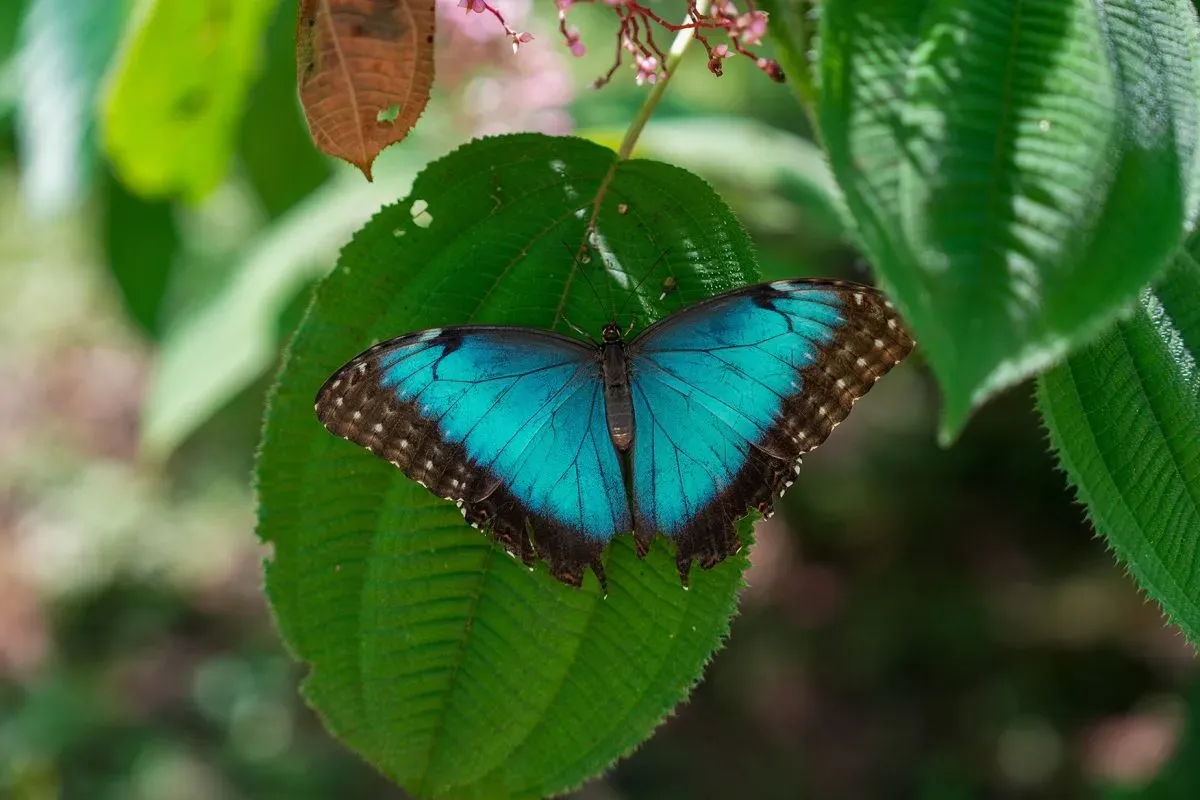
The butterfly garden, called Forest Wings, focuses on pollinator conservation. Visitors can watch species like the blue morpho, the owl butterfly, and the polydamas swallowtail flutter through the enclosure. These insects play a critical role in maintaining healthy ecosystems, and the garden helps people understand why protecting them matters.
“Each butterfly species has a specific relationship with certain native plants” [Translated from Spanish], explained a park biologist. “When visitors see this connection firsthand, they become better advocates for conservation.”
Investment and Community Impact
The Ministry of Environment Panama contributed $80,000 from its Trust and Investment Unit to fund the project. The Metropolitan Natural Park Board added $12,702.19 as a matching contribution. The board will cover finishing touches and final details using its own budget.
This combined investment aims to strengthen the park’s capacity for ecological restoration, biodiversity protection, and environmental research. The work included designing and building the nursery and greenhouse, fully rehabilitating the butterfly garden, expanding existing nursery space, adding infrastructure for protected agriculture, improving accessible trails, and creating management areas for species propagation and conservation education.
The Metropolitan Natural Park Panama has long served as a green lung for the capital city. It protects one of the last remaining tracts of tropical dry forest in the region. The new facilities will allow the park to host more school groups, university researchers, and families looking for meaningful outdoor experiences.
Access and Future Plans
The Tropical Forest Refuge will open its doors to the public on August 15, 2026. Park administrators expect strong demand from local residents and international visitors alike. The timing coincides with Panama’s rainy season, when the forest is at its greenest and most active.
Guided tours of the butterfly garden will run daily, with special programs for children and students. The nursery will offer weekend workshops where participants can learn to propagate native plants and take seedlings home for their own gardens. Researchers can apply for access to the greenhouse laboratory for specific study projects.
This project fits into a broader trend across Latin America, where urban protected areas are becoming focal points for environmental education. Cities from Bogota to Sao Paulo have invested in similar facilities, recognizing that conservation cannot succeed without public engagement. Panama’s approach stands out because of its integration of multiple functions in one location. The nursery feeds restoration projects, the greenhouse supports research, and the butterfly garden inspires visitors. Together, they create a cycle where learning leads to action.
The Metropolitan Natural Park has already seen increased volunteer participation since construction began. Park officials expect that trend to accelerate once the refuge is fully operational. They are planning additional programs for corporate volunteer groups and university service-learning courses.
For now, the park remains open during regular hours, with the new refuge adding another reason to visit. The blue morpho butterflies will be waiting, their iridescent wings flashing in the tropical light, reminding everyone who comes that conservation is not just about protecting nature. It is about creating spaces where people and wildlife can thrive together.