


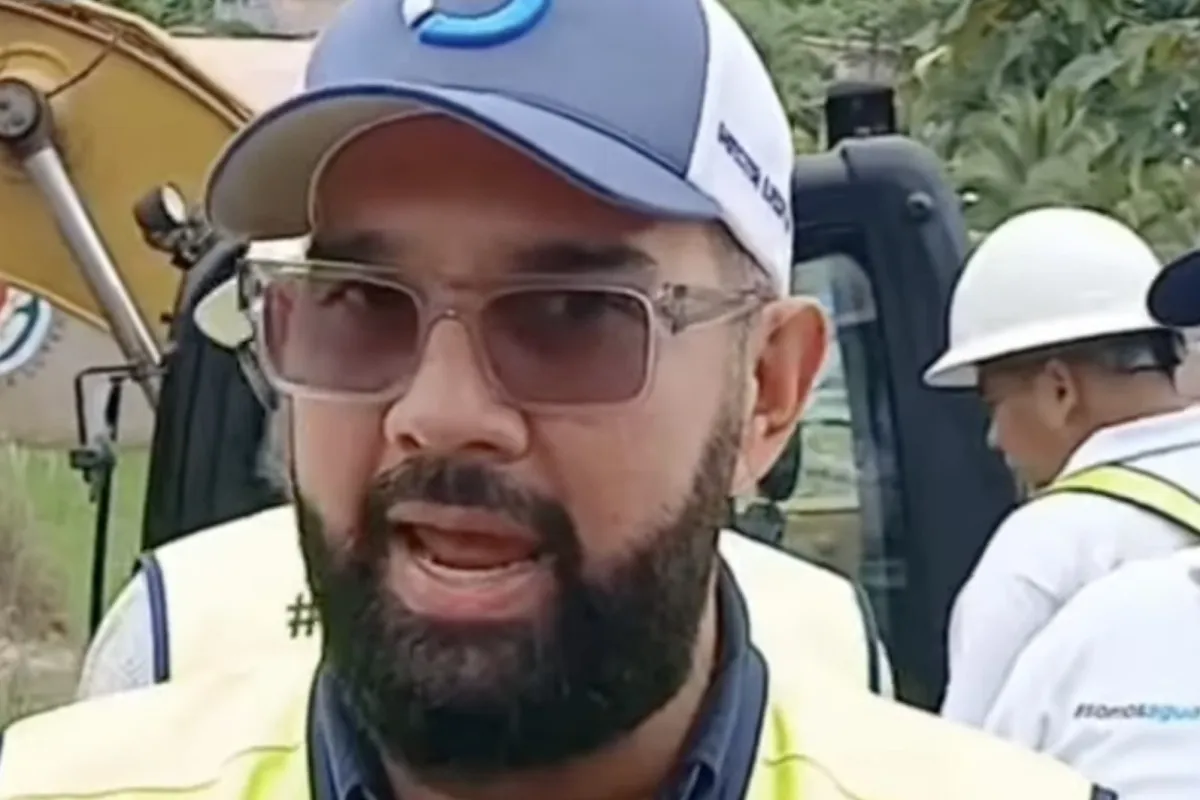
Every day, nearly 74 million gallons of treated drinking water vanish beneath the streets of Panama Oeste, never reaching a single family, school, or business. The staggering loss, which represents half of the province’s daily production, has pushed officials to launch an emergency repair blitz in Arraiján, a district where chronic shortages and dismal water pressure have become a way of life for thousands.
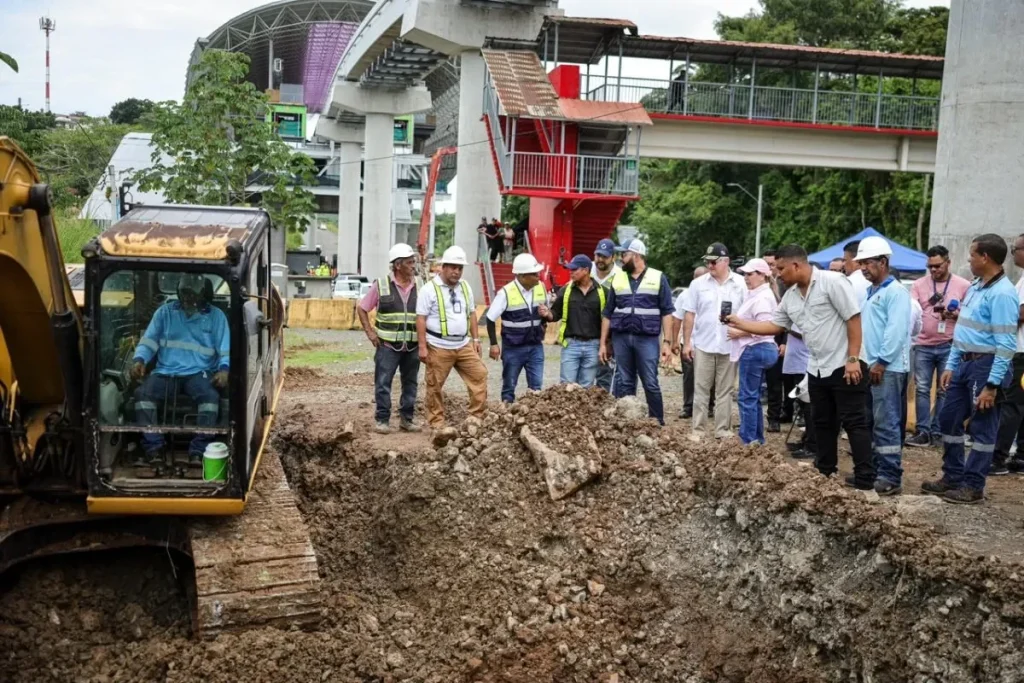
Crews with heavy equipment rolled out to Loma Cová alongside the Pan-American Highway this week, kicking off an aggressive campaign to patch more than 150 leaks and pipe fractures that for years have bled the region’s supply. The initiative, named “Panama Without Leaks” (Panamá Sin Fuga), marks a key concentrated infrastructure interventions in the area in recent memory.
A Crisis Hidden Beneath the Streets
The Institute of Aqueducts and Sewers (Idaan) reports that Panama Oeste produces roughly 147 million gallons of potable water each day. Hidden leaks, aging pipes, and other distribution anomalies swallow about 73.5 million gallons of that total, a Non-revenue water rate that tops 50 percent. That staggering figure dwarfs what many utility systems in the region consider acceptable and turns the simple act of opening a faucet into a daily frustration for countless residents.
For communities scattered across Arraiján, the numbers translate into real hardship. Taps that run dry for hours, showers that sputter to a stop, and pressure so low that filling a cooking pot becomes an exercise in patience. Past administrations did not tackle the root causes, according to current officials, leaving a network riddled with weak points that continued to worsen under regular traffic loads and neglect.
Panama’s seasonal dry spells amplify the suffering. When surface water sources shrink, the margin for waste disappears, and the gap between what the system produces and what actually reaches homes turns into a humanitarian pinch point. Arraiján sits at the heart of that squeeze, a fast-growing bedroom community where population growth has outpaced the pipe network’s capacity to deliver.
Operation ‘Panama Without Leaks’ Rolls Out
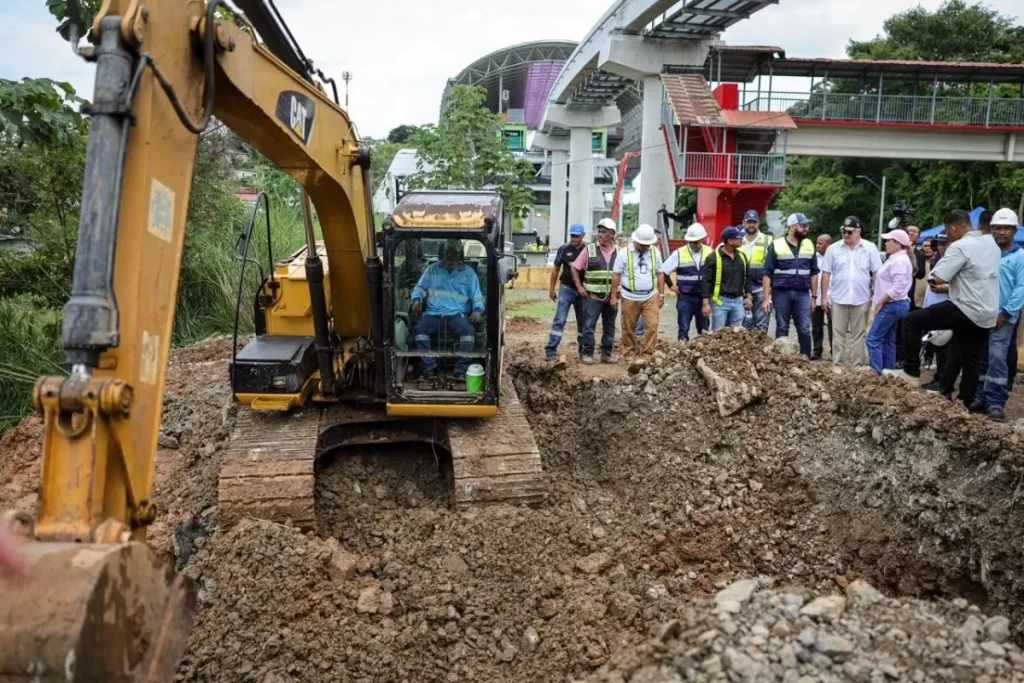
The crackdown on leaks did not materialize overnight. Idaan crews spent days organizing materials, geolocating the most damaging rupture points, and plotting a schedule that could tackle several neighborhoods at once. The operation formally began in Loma Cová, where workers attacked a broken main that had been sapping supply from nearby streets. From there, more than 140 employees , split into nine brigades and reinforced with specialists from the metropolitan region and the country’s interior , fanned out across the district.
Repair teams are working simultaneously in Arraiján’s urban center, Cerro Silvestre, Vista Alegre, Juan Demóstenes Arosemena, and Burunga. Idaan Director Antonio Tercero González explained that crews are prioritizing the leaks with the heaviest toll on distribution, moving equipment during the pre-dawn hours to dodge the region’s notorious traffic. “We have been organizing the necessary supplies for days to attend to these incidents,” he said, describing the effort as a titanic labor for the technical staff.
The scale of simultaneous work is unusual. By deploying machinery while streets are empty and pre-staging parts, the utility aims to close as many leak sites as possible before the daily traffic gridlock resumes. Each repair can potentially restore steady flow to dozens of homes, and the cumulative effect, planners hope, will begin to reverse the long-standing pressure deficit that has plagued schools and clinics as well as households.
High-Level Officials Sound the Alarm
Minister of the Presidency Juan Carlos Orillac, who attended the early operations, framed the water loss as a long-ignored emergency that now commands the government’s full attention.
“This program seeks to recover water that is lost every day due to leaks and that the Panamanian population so desperately needs. This is a crucial issue that was not addressed in the past and will greatly help areas where the resource does not arrive or the pressure is very low,” [Translated from Spanish]
he told reporters at the site.
His words signal a departure from the bureaucratic silence that often surrounds decaying utilities. By placing the Presidency’s weight behind the initiative, the administration is betting that visible, rapid repairs will change the public’s perception that water mismanagement is an immutable part of life in the province.
Director Tercero González noted that the recovery of wasted water is not just a technical fix but a direct improvement in quality of life. Stabilizing pressure in the system means fewer pumps running dry and a more even distribution across the network, a goal that has eluded Arraiján for years as new subdivisions multiplied without matching upgrades to the underground arteries that feed them.
What Is at Stake for Arraiján’s Families
Every gallon reclaimed from a repaired pipe is a gallon that can reach a home that currently sees only intermittent service. Idaan estimates that sealing the most impactful leaks will recover a meaningful portion of the daily waste, gradually lifting pressure and shrinking the number of households that rely on storage tanks or bottled water for basic needs. For elderly residents and low-income families, that shift means less money spent on alternatives and fewer disruptions to daily life.
The repair offensive also tests whether a government agency can execute a complex field operation with speed and coordination. Coordinating nine crews across a congested suburban district demands precise logistics, from traffic management to the availability of specialized fittings. Success in Arraiján could serve as a blueprint for other water-stressed regions of Panama, where non-revenue water remains a stubborn drain on public resources.
While the physical work is just beginning, the symbolism is already resonating. Residents who have learned to live with anemic water flow are watching the crews in their streets, hopeful that the days of dry taps may start to recede. The real measure of the operation will unfold in the coming weeks, when the patched pipes are tested by full system pressure and the meter readings reveal whether half of the province’s drinking water will finally stop vanishing before it can serve the people who need it.