


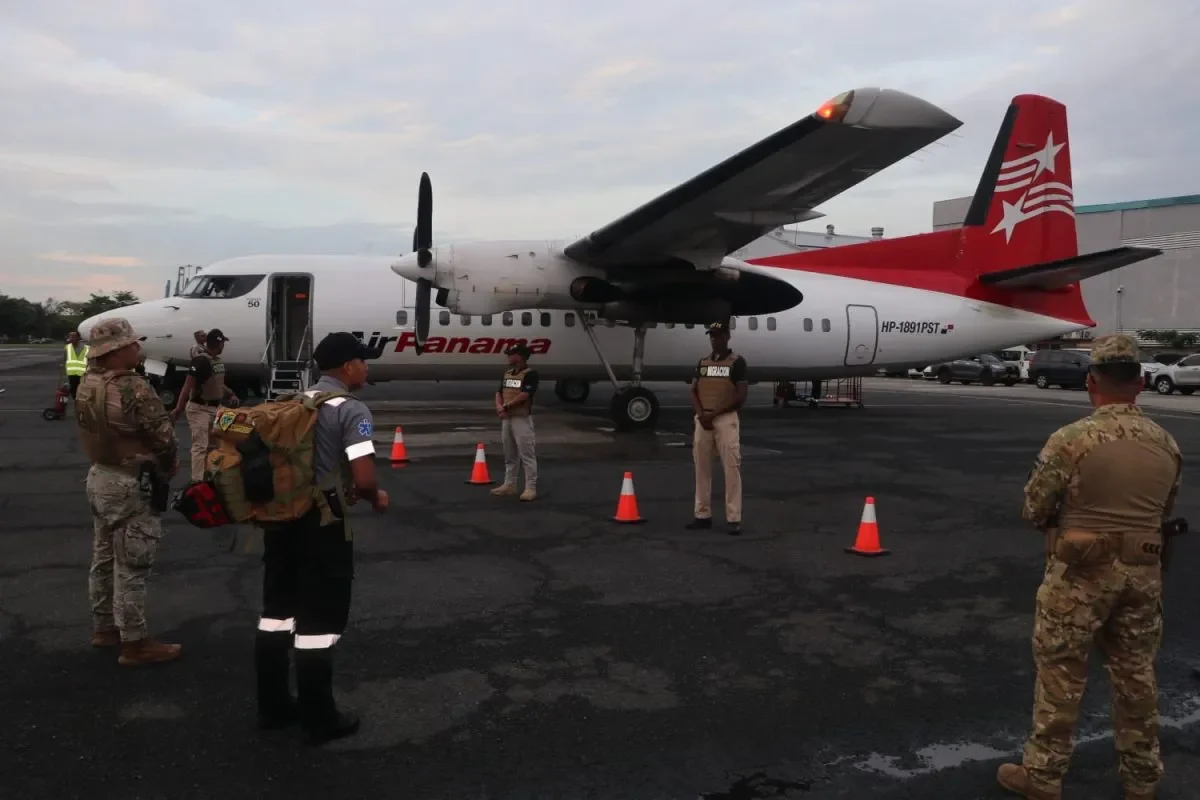
When a flight carrying 20 Nicaraguan nationals landed in Managua, a few days ago this July, it was just the latest in a long series of repatriation flights Panama has carried out under a fast-tracked enforcement drive. Since August 2024, the National Migration Service has operated 71 removal flights, returning a total of 2,867 people to more than a dozen countries. That pace, averaging over eight flights a month, reflects a sharp policy pivot that began shortly after President José Raúl Mulino took office with a promise to curb irregular migration through the Darién Gap.
How Repatriation Flights Panama Coordinates Have Accelerated
The current surge didn’t emerge in a vacuum. In mid-2024, Panama signed a cooperation agreement with the United States that included Washington covering the costs of deportation flights for migrants who entered the country illegally after crossing the dense jungle border with Colombia. Almost immediately, the new administration began organizing charter operations, transforming what had been a sporadic removal effort into a systematic conveyor belt. The 71 flights dispatched in just over 22 months have reached destinations that span from neighboring Colombia and Ecuador to far-flung points in Asia and Africa.
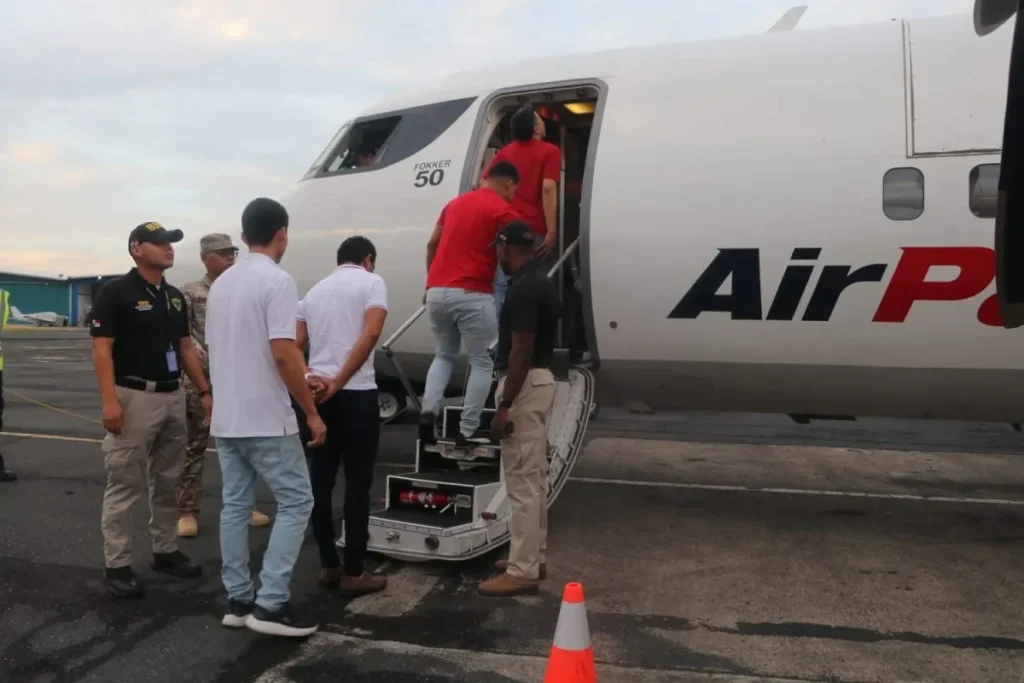
A National Migration Service spokesperson said every operation is backed by individual legal resolutions and interinstitutional coordination with foreign consulates and security agencies. The logistics, officials insist, don’t compromise due process. Each passenger’s file is reviewed before departure, and the legal instrument applied depends on the immigration violation at hand. That distinction came into sharp focus on the Managua-bound plane.
When Overstaying Leads to Deportation and When It Escalates
Eighteen of the 20 Nicaraguans aboard the late-July repatriation flight were deported for standard administrative infractions. Some had let their permits expire, while others deliberately bypassed official entry checkpoints. These cases fall squarely under deportation, a measure that bars re-entry but doesn’t automatically trigger criminal proceedings. The remaining two individuals, But, were subject to expulsion, a stricter mechanism reserved for more severe breaches.
One of them had slipped back into Panama after a previous deportation, a move migration authorities treat as a red line. The other was expelled over threats directed at public security personnel, an act that lifts the case from a simple migration violation to a public order concern.
“Repatriation flights are not just about numbers. Each person on board represents a file that was reviewed under due process, and we apply the measure that corresponds strictly to the facts on record,” a National Migration Service spokesperson explained. [Translated from Spanish]
A Geographic Footprint That Now Reaches Beyond the Americas
While Colombia, Ecuador, and Nicaragua account for the bulk of returnees, the true scope of the program becomes visible when aircraft head toward Asia and Africa. Organizing long-haul repatriation flights Panama’s authorities must coordinate seating arrangements, medical escorts, and diplomatic clearances with receiving governments thousands of miles away. Officials acknowledge the diplomatic machinery required is often underestimated, but they maintain that distance never dilutes the legal standard. Every passenger, whether bound for a three-hour trip or an intercontinental journey, travels under the same rigorous documentation and escort protocols.
That range also sets Panama apart in the region. Few Central American countries run removal operations with this kind of geographic variety, and the pattern underscores Panama’s role as both a transit hub and a bottleneck. With the Darién remaining one of the hemisphere’s most porous crossing points, the mix of short-hop and ultra-long flights signals a state ready to invest heavily in sending a deterrence message, not just to migrants but also to smuggling networks that sell the route.
What the Surge in Repatriation Flights Panama Conducts Signals for Regional Mobility
For migrants and the coyotes who profit from their journeys, the math is changing. Overstaying a visa or dodging a checkpoint now almost certainly leads to a seat on a government-chartered plane, and criminalizing re-entry or threatening security personnel escalates the consequences fast. That posture mirrors a broader regional hardening, with governments from Costa Rica to Mexico tightening visa requirements and stepping up internal checkpoints amid shifting migration flows.
The heavy reliance on flights rather than land returns does raise questions about cost and sustainability, even with U.S. funding in the mix. Officials haven’t disclosed a detailed financial breakdown, but they frame the expense as an investment in orderly migration. As the numbers continue to climb, the National Migration Service remains focused on what it calls a predictable and lawful system, one repatriation flight at a time. The pace shows no sign of slowing, and the immigration agency’s bet is that consistency, rather than spectacle, will ultimately reshape how migrants weigh the risks of the journey north.