


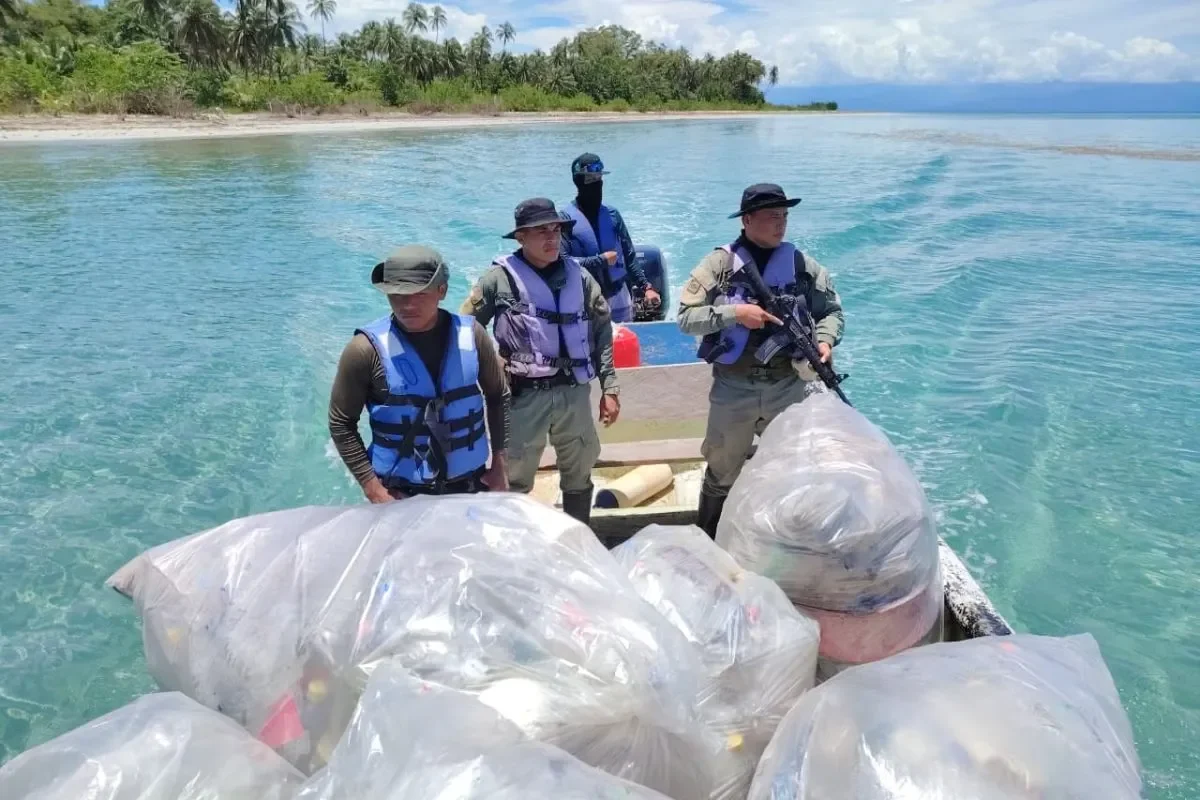
The government just adopted a sweeping national strategy that puts a plastic tax squarely on the table as a tool to break the country’s addiction to single-use items. A resolution published this week makes it official: Panama will explore targeted levies designed to make throwaway plastics less attractive for producers and consumers alike. The move arrives as authorities confront a staggering statistic from 2022, when the country generated upwards of 380,000 metric tons of plastic waste yet managed to recycle only about 5,000 tons.
The Plastic Tax and Other Fiscal Deterrents
Don’t mistake the announcement for an immediate new charge at the checkout counter. Resolution DM-0351-2026, released on July 29 in the Official Gazette, adopts the roadmap drafted in May 2025 as the guiding framework. It commands agencies to start designing the regulatory scaffolding that could eventually support a plastic tax, though it leaves the precise products, rates, and timelines for later rulemaking. Ministry of Environment officials stressed the idea is to embed the tax concept among a suite of actions that can reshape market behavior without rushing half-baked fiscal penalties.
Taxation won’t stand alone. The road map also calls for hard targets to phase out avoidable plastics entirely, crack down on needlessly bulky packaging, mandate minimum recycled content in new products, and create safety standards for reusable containers. By weaving all these threads together, planners aim to send a clear signal to industry that the days of infinite virgin plastic production are numbered.
Disposal Gaps and a Rural-Urban Divide
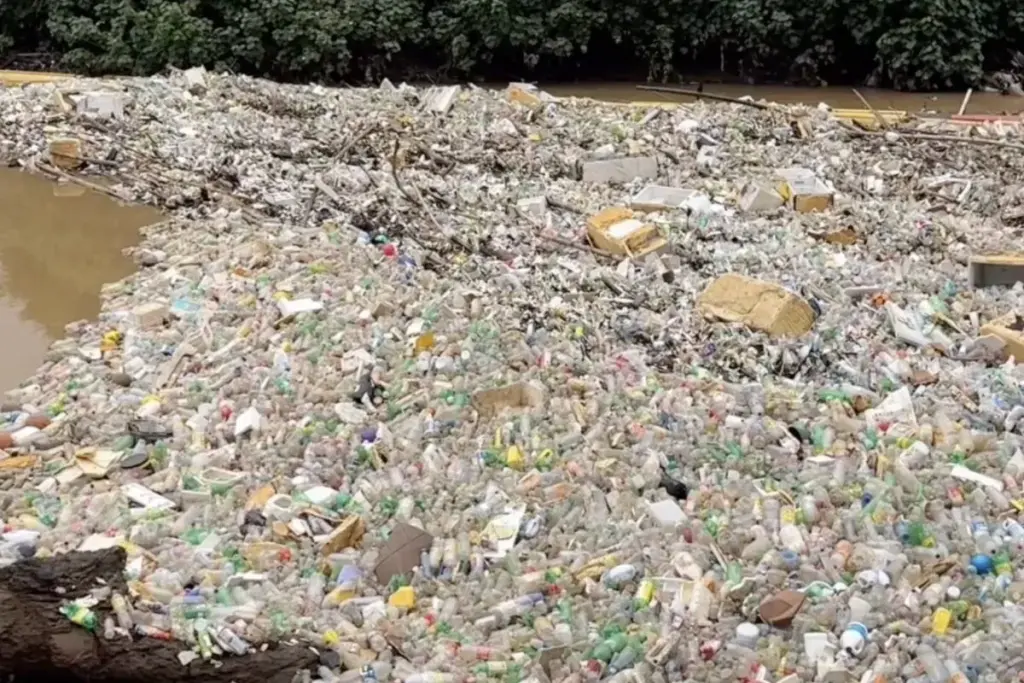
Behind the policy language sits a collection system that works unevenly at best. While 93 percent of city households get reliable garbage pickup, the figure plunges to 38 percent in rural communities. That means more than six out of ten rural residents lack any formal route for their plastic waste, pushing much of it into open dumps, vacant lots, or waterways. Less than 9 percent of all plastic discards make it to disposal sites that meet basic technical and environmental standards, leaving roughly 336,000 tons in 2022 to be burned in the open or scattered across the landscape.
The roadmap confronts this geography of neglect head-on. It proposes deliberately expanding collection routes into informal settlements and the countryside, modernizing the country’s aging landfills, and bankrolling infrastructure for reusable and refillable packaging. Officials acknowledge that without bridging the rural gap, even the most punitive plastic tax would struggle to clean up the environment.
Projecting the 2040 Future and a Circularity Leap
Without drastic intervention, the numbers could turn nightmarish. Ministry projections show Panama on track to churn out 913,000 tons of plastic waste annually by 2040, a 140 percent spike from the 2022 baseline. Of that colossal stream, about 809,000 tons would escape proper management under the status quo. The newly adopted strategy tries to slash pollution by 67 percent and push the circularity rate from a meager 1 percent to 58 percent within the same timeframe.
Achieving that requires transforming how the nation thinks about plastic from the moment a product is designed. Planners want to see manufacturers and importers assume the cost and logistics of collecting and processing their own packaging through an extended producer responsibility scheme with firm deadlines. Early calculations suggest these combined interventions could avoid more than 441,000 tons of waste. Still, the document cautions that even a full-court press might leave around 110,000 tons each year to pollute soils and coastlines in 2040.
A Permanent Table for Shared Accountability
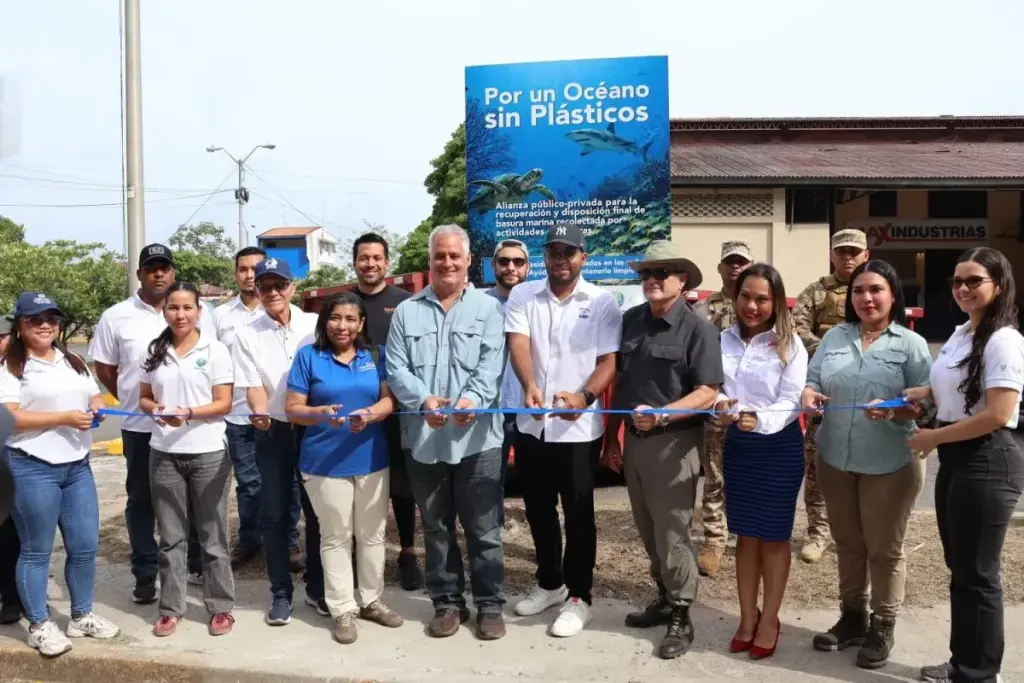
Making that math work depends on coordination that goes far beyond one ministry. The resolution formalizes the National Platform for Action on Plastics as a permanent body, giving it the job of aligning municipalities, businesses, environmental nonprofits, waste picker representatives, and university researchers. The Environment Ministry will chair the steering committee, while the National Association for the Conservation of Nature (ANCON) takes the technical secretariat.
Transparency is baked into the platform’s DNA. Meeting records and official acts will be open to public scrutiny unless they touch on clearly defined security or confidential business information. The government also posted the full strategy on the platform’s public site, inviting anyone to dig into the data that paints a portrait of a small nation trying to unshackle itself from a global plastic tide.
Ultimately, the roadmap bets that mixing selective fiscal pressure like a future plastic tax with rural infrastructure investment and producer accountability can bring the 2040 nightmare down to a manageable scale. The plan won’t erase plastic from the landscape overnight, but it draws a line that governments, companies, and communities can now use to measure whether they’re moving fast enough, a plastic tax.