


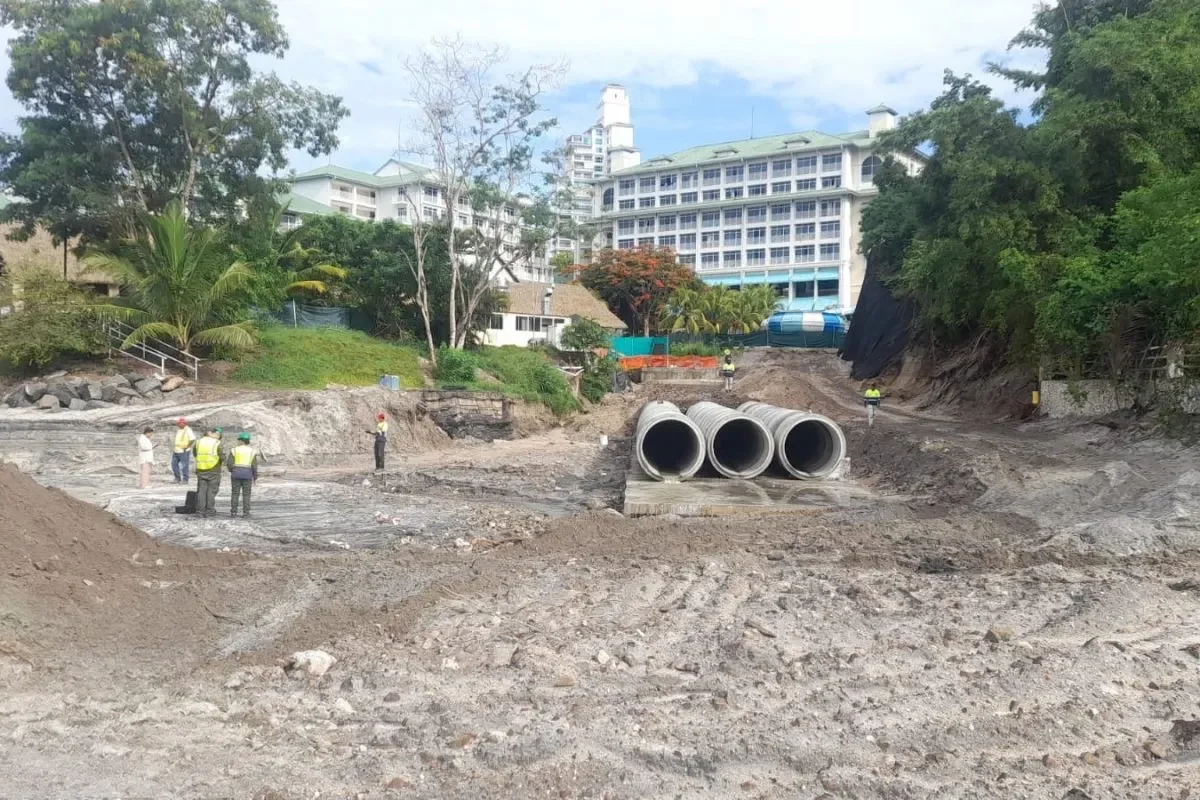
A surprise inspection along the coastline of Playa Bijao has triggered an immediate Panama hotel suspension, halting construction of a drainage system that authorities say lacked critical permits and threatened the area’s fragile marine ecosystem. Officials from the Ministry of Environment moved swiftly after field teams documented unauthorized work in a natural watercourse and unapproved wastewater discharge plans.
The action, carried out by the National Directorate of Environmental Performance Verification (DIVEDA), places a prominent hotel development under intense scrutiny. While Panama welcomes resort investments, regulators signaled that shortcuts on environmental safeguards won’t be tolerated, especially in sensitive beach zones like those dotting Coclé province.
Inspection Reveals Unauthorized Drainage Works Near the Shore
DIVEDA technicians visited the project site in the Antón district and immediately flagged two serious issues. First, crews had been building a stormwater and sanitary collector directly in a natural channel without obtaining authorization to alter the watercourse. Second, there was no valid concession for any discharge of wastewater, a requirement firmly embedded in Panama’s environmental law.
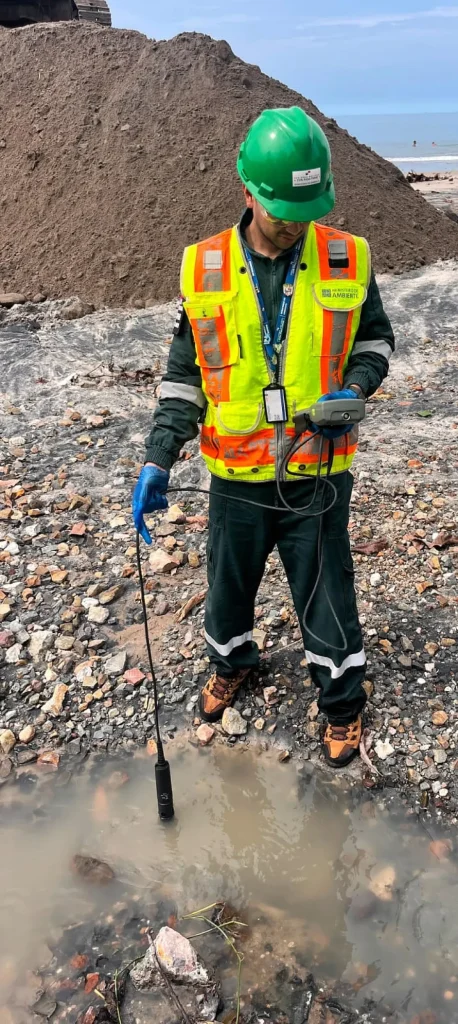
Field teams collected water samples and conducted on-site evaluations that confirmed the construction was already changing the channel’s natural flow. Erosion patterns and sedimentation were visible, and early indications pointed to declines in water quality. The inspectors concluded that the unregulated work could have cascading effects on the marine-coastal environment of Playa Bijao, a beach popular with both tourists and local families.
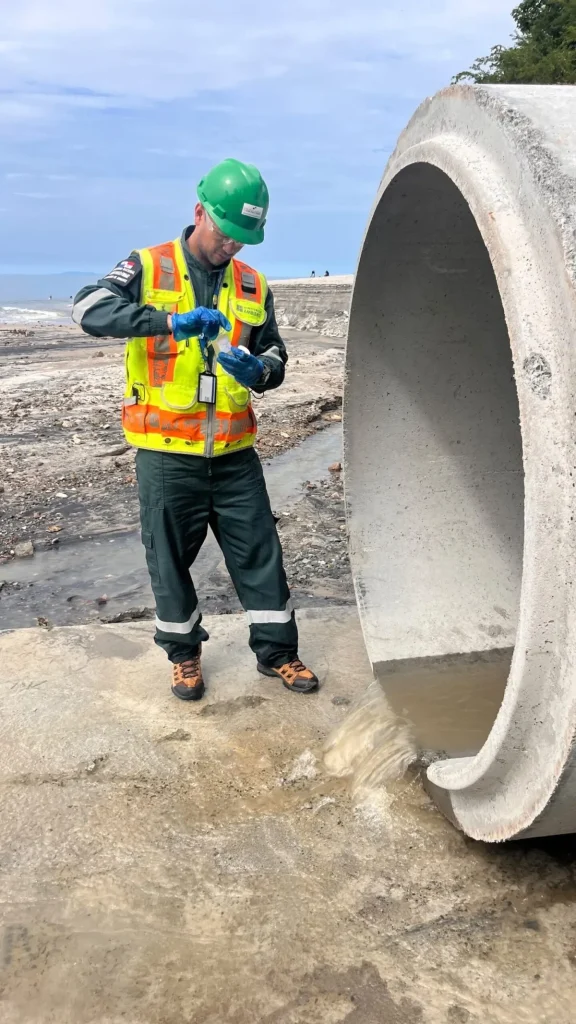
The ministry’s swift response reflects an intensifying enforcement posture. “The protection of natural resources demands that any work or activity that intervenes in a watercourse or discharges wastewater complies with the requirements established in environmental legislation,” said DIVEDA Director Marilyn García Paredes.
“Our responsibility is to verify compliance with these provisions and to act in a timely manner when irregularities are detected to prevent greater environmental impacts.” [Translated from Spanish]
Panama Hotel Suspension Triggers Broader Legal and Administrative Review
The Panama hotel suspension order is not the end of the matter. While construction must stop immediately, the developer has a narrow 24-hour window to initiate the concession application for wastewater discharge. That procedural door remains open, but authorities made clear it doesn’t lift the freeze on activities unless full compliance is demonstrated.
Behind the scenes, the ministry is preparing for tighter oversight. New surprise inspections are already scheduled, and officials will closely monitor whether the developer carries out the prescribed preventive and corrective measures. The goal is to halt any further alteration of the channel and prevent unauthorized discharges from resuming.
If work continues despite the order, the ministry holds powerful enforcement tools under Executive Decree No. 3 of 2026. Article 23 of that decree allows authorities to physically plug the pipeline used for illegal discharges, alongside additional sanctions. The government stressed that defying a suspension amounts to contempt of an administrative act, opening the door to even more severe repercussions.
Escalating Penalties and the Risk of Permanent Shutdown
Ministry officials outlined a ladder of potential consequences that reaches far beyond the immediate Panama hotel suspension. A proven violation of the stoppage order could lead to a definitive suspension of the entire project. In cases where environmental damage is irreversible or structures were built in clear contravention of the rules, the law permits demolition of those structures after the developer has gone through due process.
The legal foundation for these measures is robust. The ministry cites Articles 118 and 120 of Panama’s Political Constitution, the Unified Text of Law 41 of 1998, Law 38 of 2000, and two recent executive decrees from May 2026. These collectively grant environmental authorities the power to intervene when coastal and waterway protections are compromised.
Even criminal liability is on the table. If the facts point to potential criminal conduct, the case file can be forwarded to competent authorities for evaluation. That possibility lifts the Panama hotel suspension from a bureaucratic scuffle into a high-stakes confrontation with lasting consequences for the project’s backers.
Coastal Development Pressures and the Future of Playa Bijao
Playa Bijao sits in a region where resort construction has accelerated in recent years, driven by Panama’s Pacific coastline appeal. Environmental watchdogs have long warned that rapid development without rigorous oversight endangers mangroves, coral communities, and water quality. The current enforcement action, while focused on a single hotel, sends a broader signal that unpermitted interventions in watercourses will not be overlooked.
Local communities depend on healthy beaches for fishing and small-scale tourism. Sediment plumes and untreated wastewater can degrade bathing water, disrupt marine life, and undercut the very assets that attract visitors. By applying the full weight of constitutional and statutory mandates, the ministry is framing this Panama hotel suspension as a necessary intervention to preserve public trust in environmental governance.
The coming days will reveal whether the developer uses the 24-hour window to begin the permitting process in good faith. Even if the paperwork is filed, the suspension remains in force until authorities verify that all corrective actions are executed. With follow-up inspections already planned and the threat of pipe plugging and demolition looming, the hotel project at Playa Bijao has entered a decisive phase that could reshape how developers approach coastal construction across Panama.