


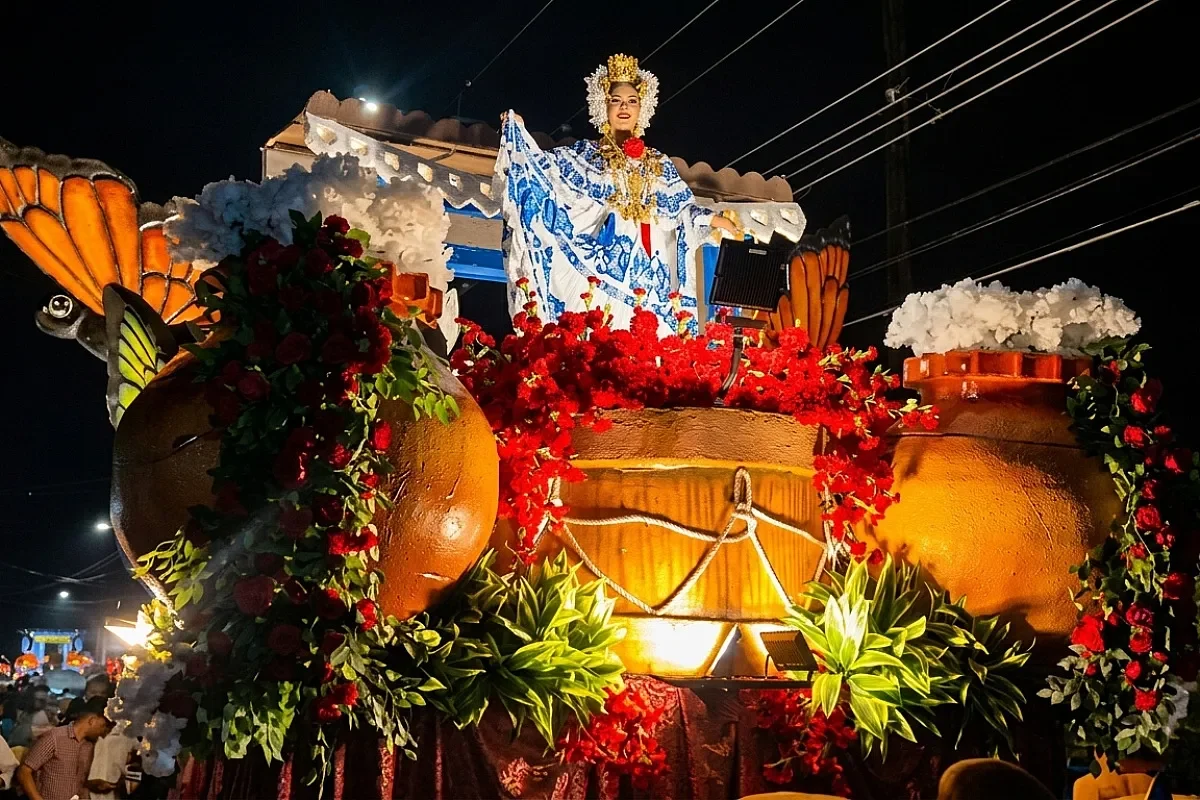
Rain clouds gathered over La Villa de Los Santos on Saturday, August 16, but they did not stop drums, pollera skirts, and school banners from filling the streets. The Los Santos parade, organized by the Nicanor Villalaz school, drew students, teachers, and residents to celebrate the Week of the Campesino and showcase the rural traditions that define the region.
Los Santos parade keeps rural traditions alive
The annual event marked another chapter in the town’s long commitment to folk culture. As participants moved through the main streets, onlookers saw expressions of country life, music, and dance that have been passed down for generations. For older residents, the gathering serves as a living archive of local identity.
Milciades Quintero, a district resident, said the celebration lets the community display its deepest roots.
“The town shows its tradition and customs” [Translated from Spanish]
His words echoed the mood of many families lining the sidewalks.
Student crews and festival queens energize the crowd
Students from the Nicanor Villalaz school led the procession with colorful outfits and choreographed folk performances. Teachers helped coordinate the route, while parents and neighbors cheered from storefronts and doorways. The involvement of younger generations gave the Los Santos parade a sense of momentum beyond a single afternoon.
Ilanith Ávila, the Los Santos representative for Miss Universe Panama 2026, joined the celebration with her promotion and musical band.
“I am very happy to represent my class and my Miss Universe Los Santos band. We are preparing incredible things” [Translated from Spanish]
Her presence added a festive note to the event.
Campesino Week reinforces Azuero Peninsula identity
Campesino Week occupies a central place in the calendar of Panama’s Azuero Peninsula, where many of the country’s best-known folk expressions originated. Towns across the region host parades, masses, and agricultural fairs to honor peasant roots. In La Villa de Los Santos, that heritage takes on special significance because the community is often regarded as a cradle of Panamanian nationalism and traditional culture.
Anais Milagro, queen of the Flower of the Holy Spirit Festival in Las Minas, said participating in one of her final activities as queen was emotional. Her presence alongside other local representatives highlighted the ties between civic celebrations and religious or agricultural traditions in the province.
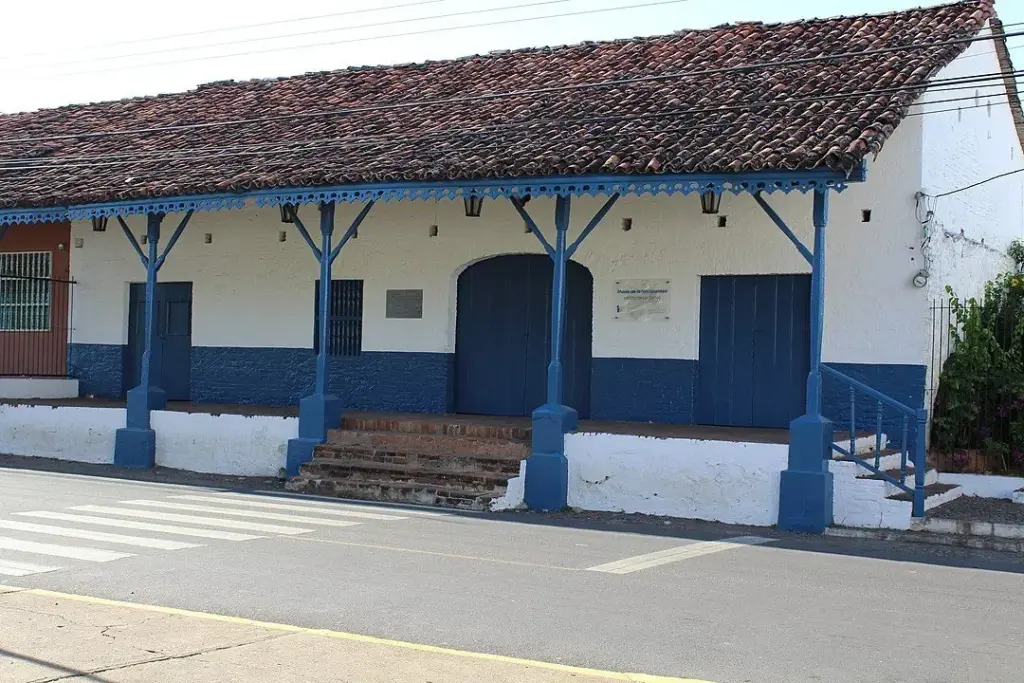
Rain tests the crowd but tradition holds firm
By the time the last groups passed, intermittent rain had dampened costumes and streets, but the parade continued without losing its rhythm. Organizers adjusted the route where needed and kept the event moving. Residents described the weather as a minor obstacle rather than a reason to cancel. This determination reflects a broader pattern in rural Panama, where community events often depend on cooperation and shared effort.
Ultimately, the Los Santos parade reinforced a simple point: cultural identity thrives when people show up. Families recorded videos, children practiced dance steps, and older residents nodded to familiar songs. In summary, the gathering demonstrated that the town’s tradition remains vibrant, adaptable, and deeply rooted in everyday life.