


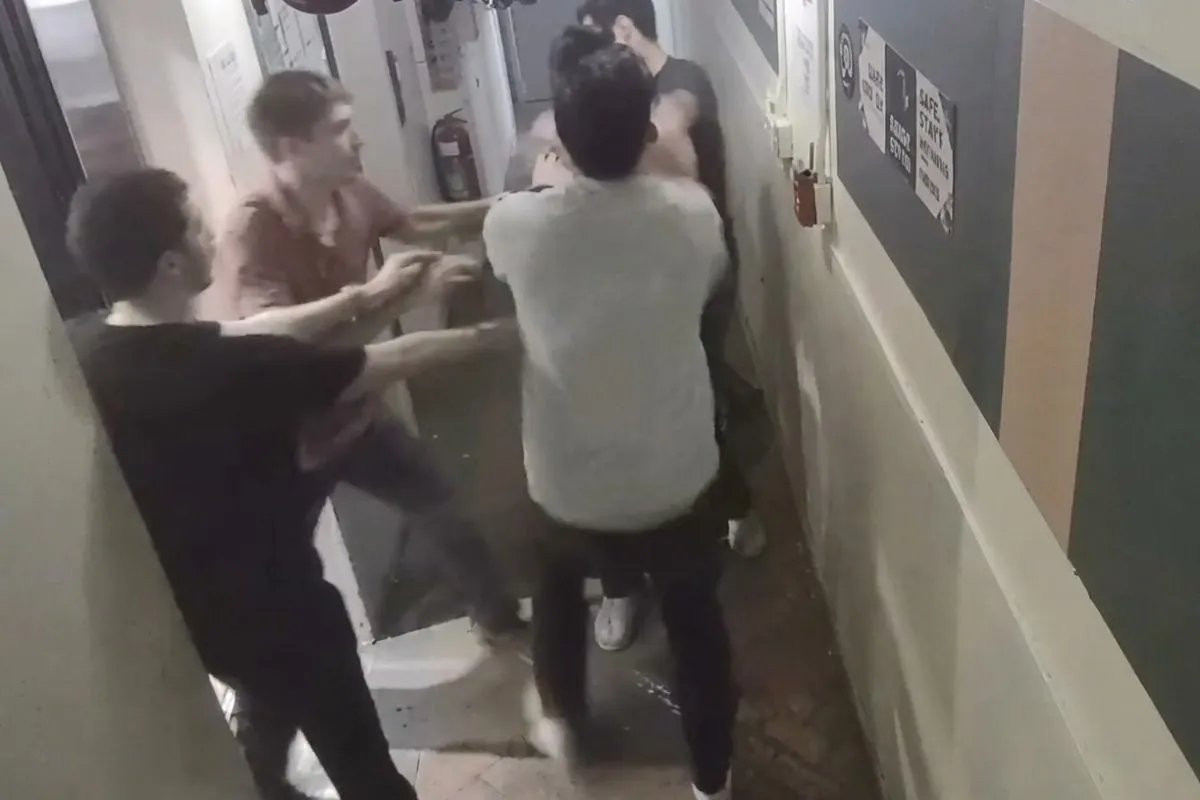
A Mexican content creator’s violent encounter at a historic hostel in Panama City has exploded across social media, raising urgent questions about legal accountability for foreign military personnel. The Panama tourist assault reportedly unfolded on Saturday, August 15, when three US citizens allegedly attacked the visitor inside the old Hotel El Viajero in the Casco Antiguo district (***Video below). The victim claims the men serve in the United States Army and were in Panama on official business, conducting joint operations with SENAFRONT, the country’s national border service.
Details of the Panama Tourist Assault Emerge
The Mexican YouTuber took to his social channels shortly after the incident, posting a video that has since gone viral. According to his account, the altercation left him injured, though the exact nature of his wounds remains unclear. He states that he quickly filed a formal complaint with Panamanian authorities, documenting the physical harm and identifying the supposed attackers.
Local reports indicate the incident occurred within the walls of the former Hotel El Viajero, a well-known building in the capital’s colonial quarter. The area typically draws thousands of international visitors each month, making allegations of violence involving foreign military personnel particularly alarming for tourism stakeholders. The victim’s social media posts paint a picture of frustration, claiming that despite clear evidence of the assault, justice may remain out of reach.
Diplomatic Immunity Questions Surround the Case
At the heart of this controversy sits a thorny legal question, can foreign soldiers stationed in Panama simply sidestep local prosecution? The content creator insists that law enforcement officers told him they could not proceed against the suspects due to diplomatic immunity. He has publicly questioned whether police reluctance stems from the broader political relationship between Panama and the United States, two nations with deep historical and economic ties.
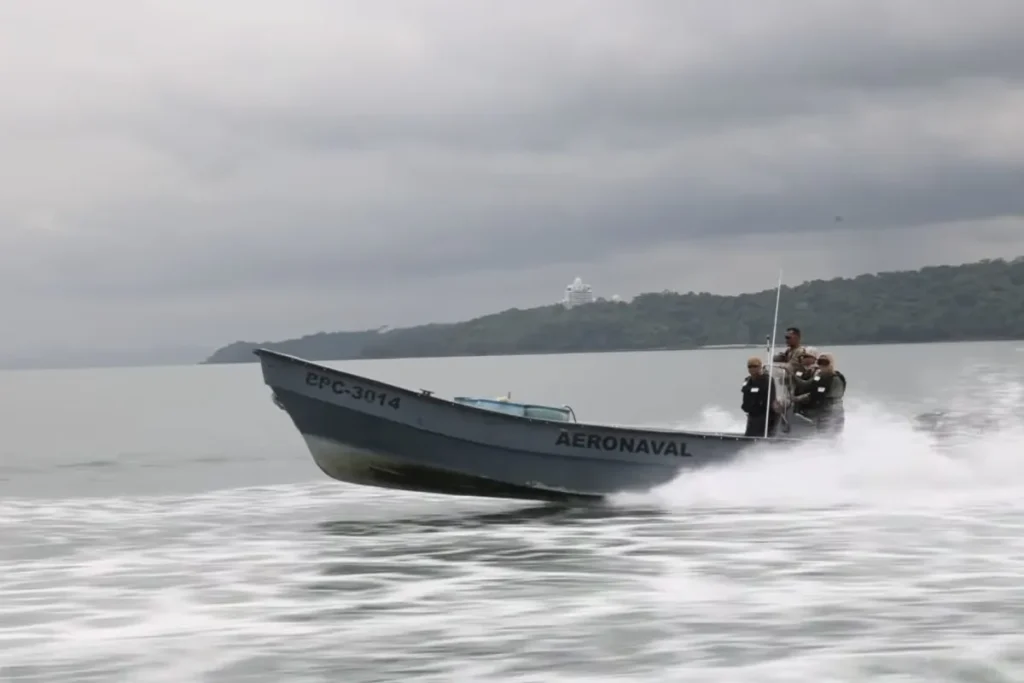
Panama’s constitution and criminal code generally grant immunity only to accredited diplomatic personnel, not to military members on training or joint missions. But the practical enforcement of these distinctions varies. PANAMA has hosted US military personnel for decades, particularly through humanitarian missions, counter-narcotics operations, and border security collaborations with SENAFRONT. That longstanding cooperation sometimes creates gray areas when criminal accusations surface.
The victim’s pointed questions have resonated widely, what would have happened if the targets had been Panamanian citizens rather than a foreign visitor? His social media posts frame the issue as one of national sovereignty, asking whether foreign troops can behave with impunity on Panamanian soil. The suggestion that nationality might determine legal outcomes has struck a nerve among local observers.
Panama Tourist Assault and Police Response Under Scrutiny
The Panamanian National Police have not issued a public statement addressing the specific allegations of inaction. The victim’s claim that officers were unwilling to take meaningful steps against the alleged perpetrators has fueled online speculation about political interference. Panama’s security forces routinely work alongside US military advisors, particularly in the Darién region where SENAFRONT confronts irregular migration and drug trafficking networks.
For tourism-dependent Panama, the circulation of a story involving a visitor injured by foreign soldiers represents a reputational risk. The country welcomed over 2 million tourists in recent years, with Casco Antiguo serving as one of its crown jewels. A perception that certain groups operate above the law could deter future travelers, especially younger digital nomads and content creators who amplify their experiences to global audiences.
Broader Implications for Panama-US Military Cooperation
The United States maintains a rotating military presence in Panama under various bilateral agreements focused on humanitarian assistance, disaster response, and security training. These arrangements have periodically sparked public debate about sovereignty, dating back to the 1989 invasion and the subsequent withdrawal of US bases in 1999. Incidents like the reported Panama tourist assault can reignite those historical sensitivities.
Legal scholars note that any immunity for US military personnel would derive from specific status-of-forces agreements rather than blanket diplomatic protection. If the three men were indeed in Panama on an official mission, their legal exposure might differ from that of ordinary tourists. But official duties do not typically shield soldiers from criminal prosecution for violent acts committed against civilians outside their operational scope.
Ultimately, the resolution of this case may test the strength of Panama’s legal institutions. A transparent investigation with clear communication from both Panamanian and US authorities could defuse tensions. Silence, conversely, risks validating the worst assumptions circulating online. For a country that prides itself on sovereignty and the rule of law, the response to this incident carries weight far beyond one viral video.