


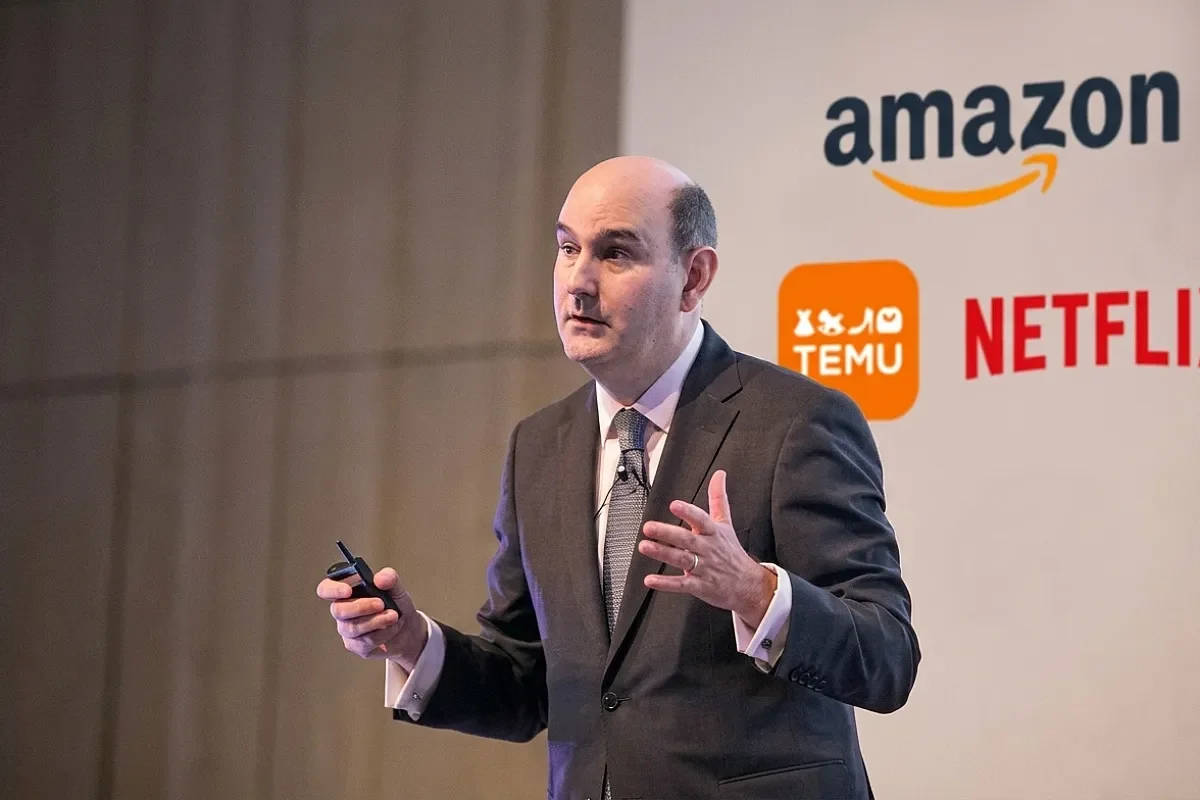
Hotel operators across Panama have spent years watching competitors on Airbnb undercut their rates while escaping the 7 percent sales tax, they must collect on every booking. No E-commerce tax was applied. That frustration finally has a government response. The Panama ecommerce tax proposal, unveiled by Finance Minister Felipe Chapman, would extend the existing ITBMS levy to digital purchases made through Amazon, Temu, Netflix, Airbnb and other online platforms, with conservative projections showing more than $100 million in annual revenue.
Chapman announced the details on Wednesday, August 19, 2026, while leaving the 30th Hemispheric Congress for the Prevention of Money Laundering held at the Panama Convention Center. He emphasized that this initiative does not create any new tax burden. Instead, it closes a legal gap that has allowed the digital economy to operate outside rules that physical businesses have followed for decades.
Panama Ecommerce Tax Collection Through Card Networks
The practical mechanism behind the Panama ecommerce tax relies on payment infrastructure that already processes most online transactions. Chapman explained that the overwhelming majority of digital purchases happen through electronic payment methods, particularly credit cards. His team has already engaged with major card issuers and payment networks, including Visa, Mastercard and American Express, to design the collection system.
In practice, when a consumer uses their card to buy a product or pay a subscription subject to ITBMS, the payment system would identify the transaction and apply the 7 percent charge accordingly. Chapman acknowledged that operational details remain unresolved regarding exactly how the withholding will function and how it will appear on consumer statements. Those specifics will emerge during the regulatory phase.
The minister pointed to Costa Rica and Colombia as working models that Panama can reference. Both countries already collect value-added taxes on cross-border digital services, giving Panamanian authorities a proven blueprint. “The wheel is already invented and it is being used and it has been duly studied and analyzed with credit card issuers to make this effective” [Translated from Spanish], Chapman said.
Digital Platforms Swept Into the New Tax Framework
The tax obligation attaches to transactions involving the sale of goods or services, not merely to using a particular platform. Chapman confirmed that Amazon and Netflix fall within the proposed scope, along with streaming subscriptions, e-commerce marketplaces and short-term rental services like Airbnb. The distinction matters because it targets commercial activity rather than general internet access.
Chapman used Netflix to illustrate how consumer behavior has outpaced tax policy. Previously, a person might buy physical software or a DVD at a local store where sales tax applied automatically. That same transaction migrated online without an equivalent tax collection mechanism following it. The proposed law aims to restore that symmetry.

For the hospitality sector, the stakes carry particular weight. Hotels that pay sales tax on every room night have watched residential properties marketed through Airbnb operate without the same obligation. Chapman captured that resentment directly.
“The famous Airbnb or similar platforms, where everyone knows that hotels pay sales tax [..] they were right to say here there are others providing the service that don’t pay that because it’s not regulated in the law” [Translated from Spanish], he said.
Several digital service companies have approached the Panamanian government in the past expressing willingness to comply with tax payments, only to find no regulatory framework existed to accept them. The new proposal creates that pathway. Transactions subject to the tax would also generate a digital invoice, which could potentially be integrated into the country’s fiscal lottery system, encouraging consumers to demand receipts.
Legislative Journey and Regulatory Timeline
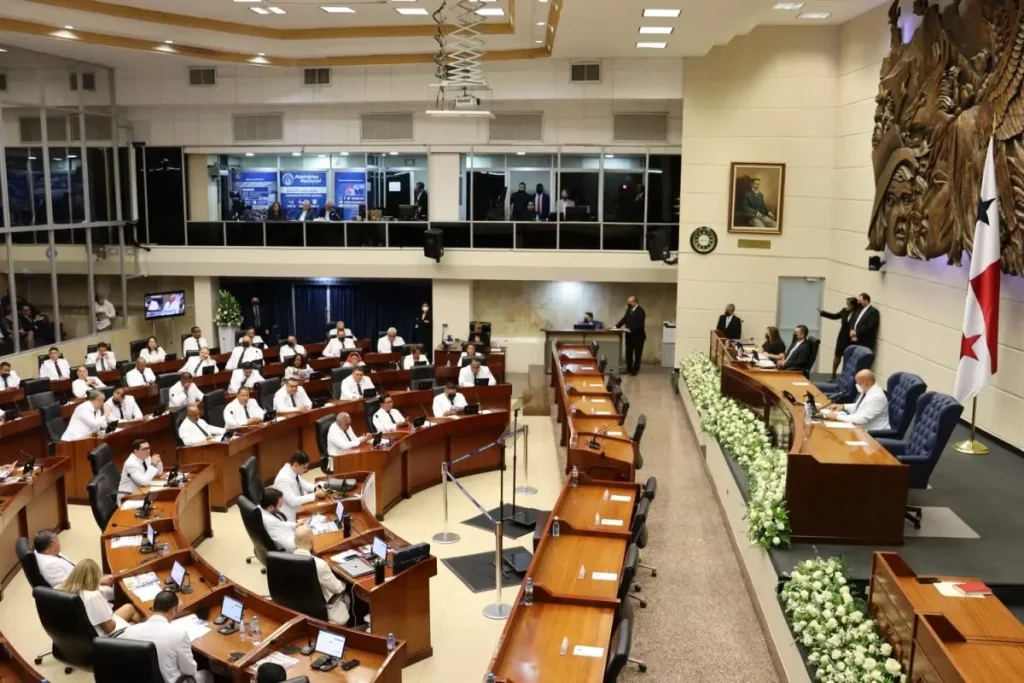
The measure forms part of a broader bill approved by the Cabinet on Tuesday, August 18, 2026. It now heads to the National Assembly for debate and must secure legislative approval before taking effect. That process introduces variables regarding timing and potential amendments from lawmakers.
Once the Assembly passes the bill, the regulatory implementation phase would require between 60 and 90 days, according to Chapman’s estimate.
“I estimate a minimum of 60 days, a maximum of 90 days for it to be duly regulated” [Translated from Spanish], he indicated.
During that window, the Ministry of Economy and Finance would finalize the operational details with banks, payment processors and platform operators.
The government has consistently framed this effort as equalizing tax treatment between brick-and-mortar establishments and internet-based competitors. Small and medium-sized businesses have complained for years that their domestic sales carry the 7 percent ITBMS while comparable digital transactions escape effective collection. That disparity between physical and digital commerce has persisted long enough that domestic businesses have begun organizing around the issue.
Revenue Projections and Regional Digital Tax Trends
The conservative estimate exceeding $100 million annually derives from information provided by the service providers themselves, according to Chapman. That figure could climb as digital commerce continues expanding and enforcement becomes more refined. Panama’s 7 percent ITBMS rate remains among the lowest in Latin America, which should soften the consumer impact compared to neighboring countries that levy higher digital taxes.
The approach aligns with a broader global movement toward taxing the digital economy. Costa Rica and Colombia have already implemented mechanisms to collect value-added taxes on cross-border digital services, creating precedents that Panamanian regulators can study closely. International organizations have also pushed for consistent rules governing digital economy taxation, lending legitimacy to Panama’s initiative.

Beyond the immediate fiscal benefit, the measure addresses a fundamental competitive fairness question. Physical retailers, hotel operators and local service providers compete against digital platforms that often offer lower prices partly because they operate without equivalent tax obligations. Closing that gap could shift some consumer decisions back toward domestic businesses without imposing new costs on the companies themselves.
The proposal’s success hinges on coordination between the government, payment processors and the platforms themselves. Chapman’s confidence rests on that many companies have already signaled their willingness to participate. The coming months will determine whether the National Assembly moves swiftly and whether the regulatory process stays on schedule. For Panama’s tourism sector, retail industry and public finances, the outcome could reshape the country’s digital marketplace for years to come.