


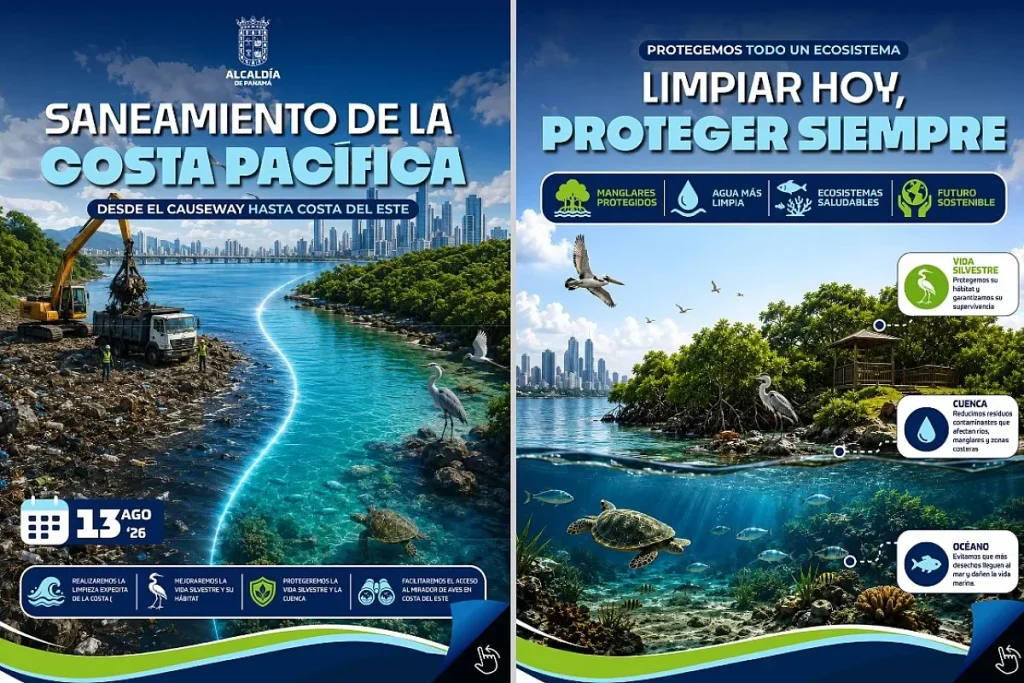
More than 35 tons of trash will be pulled from Panama City’s Pacific coastline every day as part of a Panama coastal cleanup that runs from the Amador Causeway to Costa del Este. The Río Verde consortium is managing the operation at the request of the Mayor’s Office of Panama, targeting decades of accumulated waste along the shore. Municipal officials confirmed the effort will unfold over 425 days.
A Vital Stopover for Migratory Birds
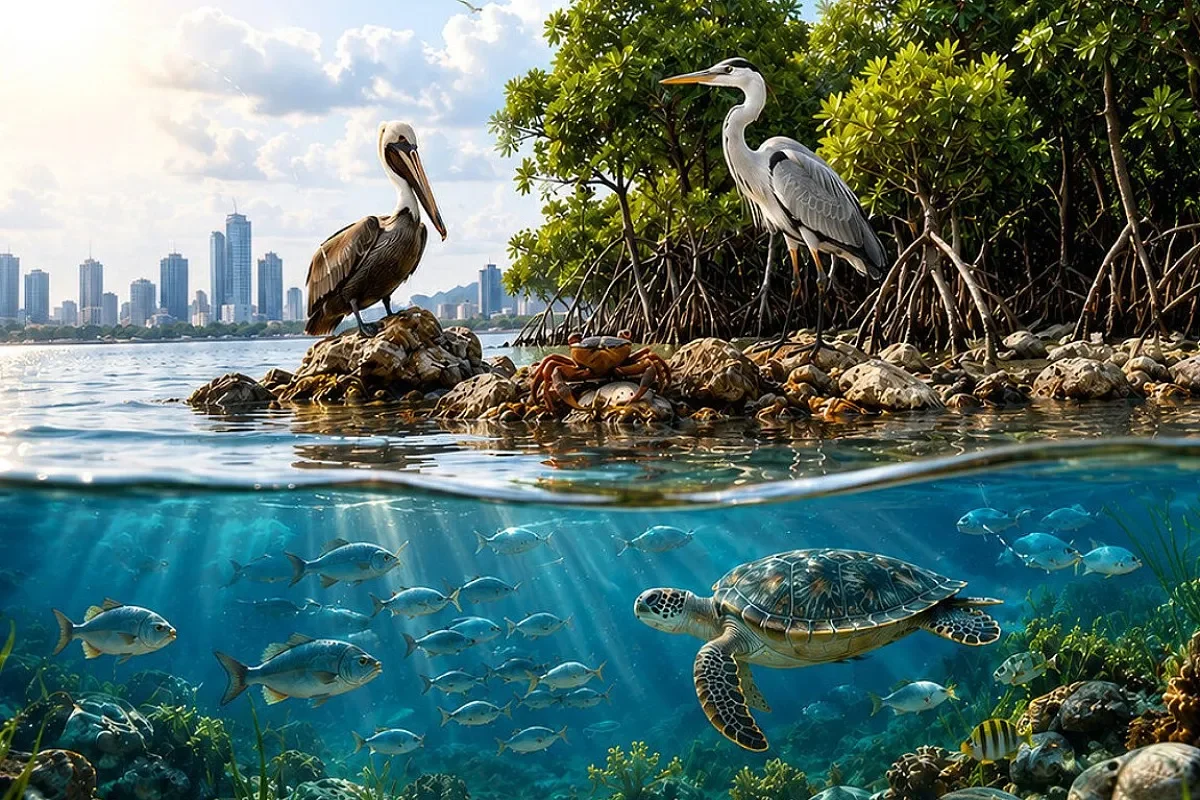
Restoring the bay’s wetland health is about more than removing unsightly garbage. The area functions as a biological bridge for the Americas, a route used every year by more than 170 species of migratory raptors, shorebirds, and marine birds on intercontinental journeys. For many of these species, the stopover is essential to their survival.
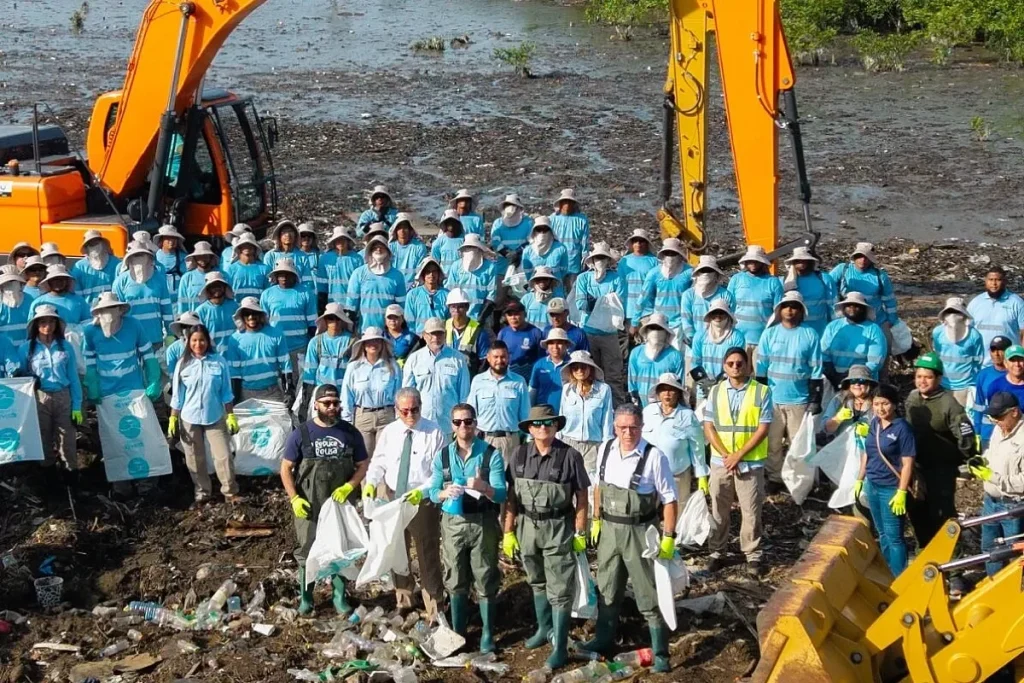
Panama’s broader wetland system includes six Ramsar sites of international importance, protecting more than 285,000 hectares of mangroves, flooded forests, and habitats for migratory birds and marine species. A significant portion of that protected area lies within the district of Panama, where the coastal cleanup is concentrated.
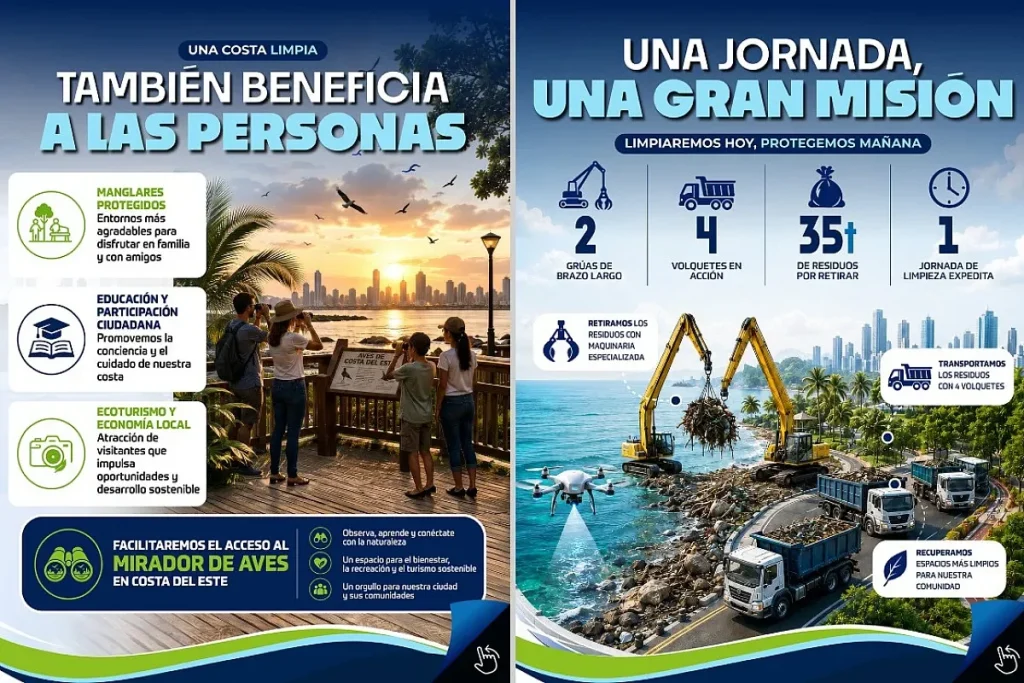
Panama coastal cleanup deploys drones and heavy equipment
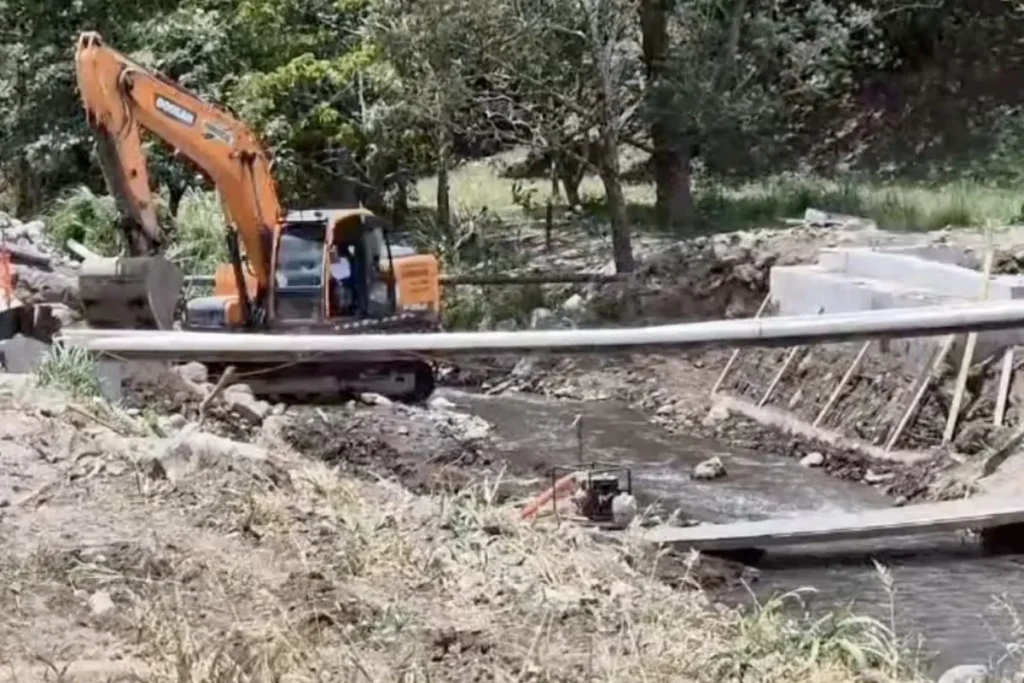
Yarelys Gómez, deputy director of Resilience and Climate Change, explained that a drone is being used to locate critical points of urban trash accumulation. Two long-arm cranes handle the largest concentrations, and four dump trucks transport the collected waste to the Cerro Patacón landfill.
Gómez emphasized the program’s long timeline and multiple goals. She described the initiative as a sanitary, environmental, and social commitment that will deliver benefits far beyond a cleaner shoreline.
“Over 425 days, this commitment will improve the hydraulic flow of the Abajo and Matías Hernández rivers, mitigating flood risks and boosting valuable areas for recreation and tourism on coastal strips and lookouts” [Translated from Spanish]
Flood Risk Reduction and Urban Renewal Along the Coast
The Panama coastal cleanup also targets two rivers that cut through the capital area. Improving the hydraulic flow of the Abajo River and Matías Hernández River reduces the danger of flooding in surrounding neighborhoods. Municipal officials say this is a core part of the project’s design.
Once the waste is removed, coastal strips and lookout points can be reclaimed for public use. The city expects these areas to draw more visitors and support local tourism by restoring views and access along the Pacific shoreline.
Ramsar Sites Anchor a Broader Conservation Strategy
Panama’s six Ramsar sites form part of an international wetland protection framework that recognizes the country’s role in hemispheric biodiversity. The mangroves and flooded forests within these sites capture carbon, shelter juvenile marine life, and provide natural flood buffers.
The current cleanup effort targets a coastal zone that connects urban neighborhoods with those larger ecosystems. By removing daily garbage before it breaks down or washes into the sea, the city aims to protect both local communities and the migratory species that depend on the bay.
Ultimately, the 425-day operation represents a key sustained coastal waste removal efforts in the capital’s recent history. Its success will be measured not just in tons hauled to Cerro Patacón, but in reduced flood risk, restored public spaces, and a healthier bay for the wildlife that travels through Panama each year.