


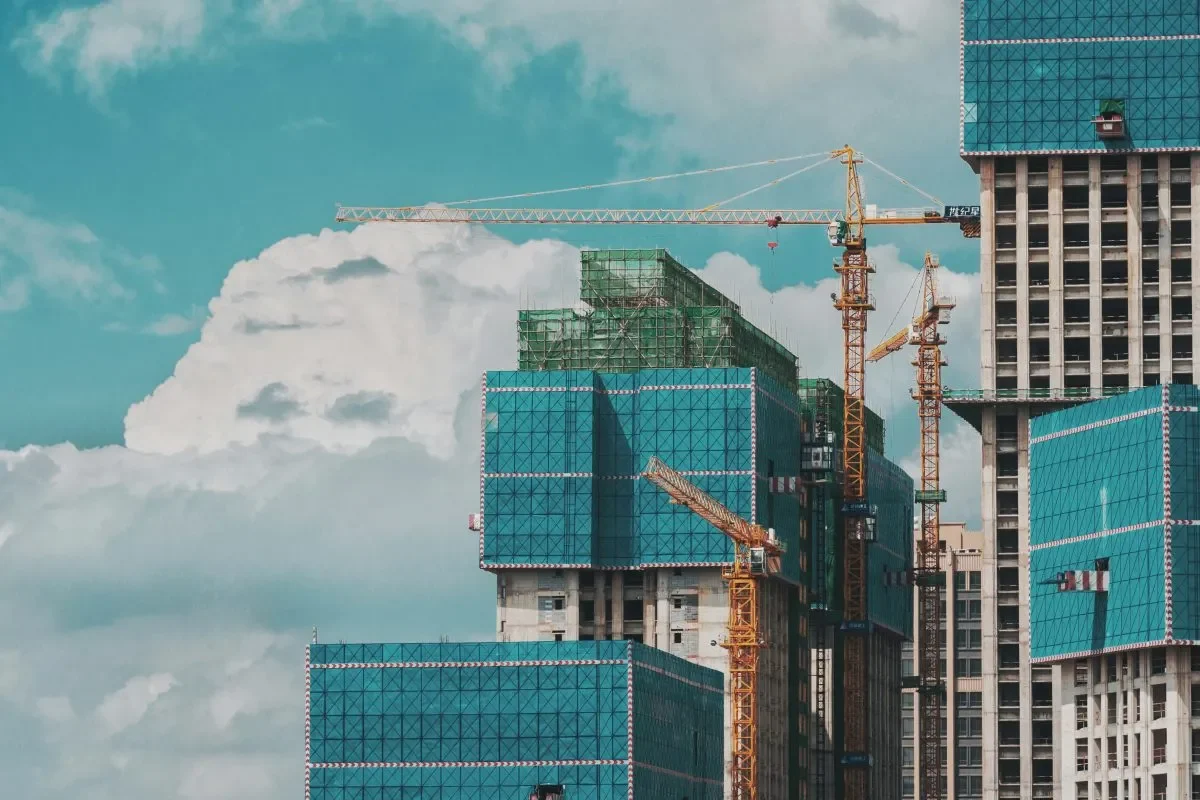
Homebuyers across Panama’s fast-growing residential corridors have confronted a familiar and costly problem for years: purchasing a property only to discover that basic services like potable water, reliable electricity, or functional sewage systems are nowhere to be found. A proposal now advancing through the National Assembly seeks to rewrite those rules by tying Panama construction permits to verified infrastructure commitments before developers can move forward with new housing projects.
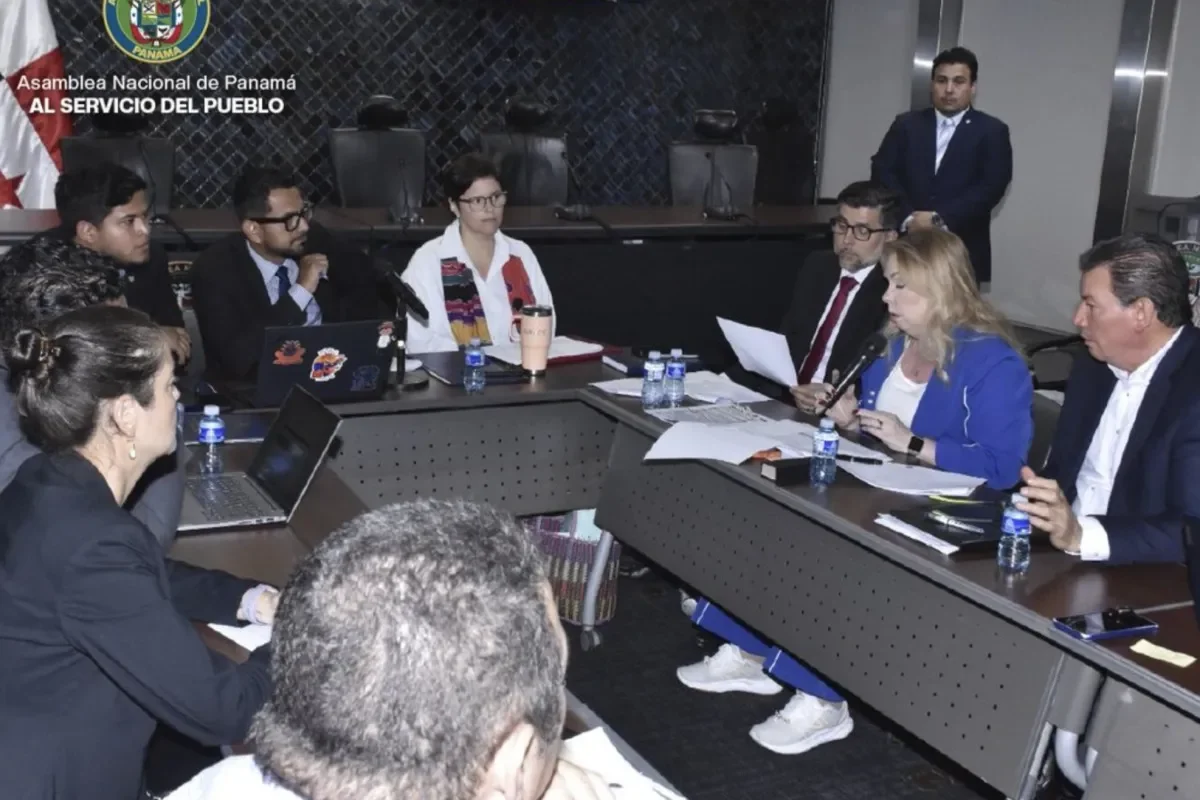
The legislative initiative, known as Bill 212, has drawn attention from consumer advocates, property owners, and residents of districts like Arraiján, where rapid urbanization has often outpaced the arrival of essential public services. Deputy Lenín Ulate, who chairs the Subcommittee on Public Infrastructure and Canal Affairs, is leading the review of the measure, which would impose new accountability standards on developers and construction firms operating in Panama’s residential market.
Infrastructure Verification and Homebuyer Safeguards
At the heart of the proposal sits a straightforward but potentially transformative requirement. Municipal authorities would only grant Panama construction permits for urban residential developments once they confirm that verifiable conditions exist for delivering indispensable services. Those include access roads, transportation links, potable water, electrical power, and sewage systems.
The goal, according to lawmakers involved in the discussions, is to reduce the frequency of new subdivisions where buyers arrive well before the infrastructure does. Many families in Arraiján and similar communities have spent years waiting for basic connections while managing daily life without reliable utilities. Bill 212 aims to flip that sequence, putting infrastructure verification ahead of sales and construction.
The measure also anticipates scenarios where those conditions aren’t initially present. If a competent institution offers technically and legally viable alternatives that a developer accepts, the municipal authority retains the option to proceed with issuing the permit. That flexibility is designed to keep legitimate projects moving forward without abandoning the core principle of infrastructure-first development.
Panama Construction Permits and Due Process Rules
A second major component of the bill addresses what happens after permits are issued. Under the proposed framework, validly granted permits could only be suspended when authorities document a genuine violation of the original conditions. Any suspension would require a prior inspection, a chance for the developer to correct the problem, and full respect for due process.
This provision appears crafted to reassure investors who worry about arbitrary administrative decisions that could stall projects midway through construction. By codifying a clear sequence of inspection, correction, and due process, the bill attempts to balance robust oversight with predictable rules for the private sector. Real estate analysts note that regulatory uncertainty has sometimes discouraged investment in Panama’s housing sector, making clear suspension procedures a potentially significant improvement.
Developer Liability and Structural Defect Accountability
Beyond permit conditions, Bill 212 would expand the legal responsibilities of promoters and construction companies when hidden defects, structural failures, or other deficiencies emerge in residential projects. Buyers who discover serious problems after moving in would have stronger legal footing to pursue remedies.
Consumer protection has emerged as a central theme throughout the legislative discussions. The Consumer Protection Authority and Defense of Competition, known as Acodeco, participated in the subcommittee’s sessions along with the Association of Property Owners and residents from Arraiján. Those stakeholders presented specific proposals to strengthen the bill, reflecting years of accumulated grievances from communities that have dealt with incomplete infrastructure and substandard construction.
Arraiján’s participation carries particular weight given the district’s explosive growth over the past decade. As one of the fastest-expanding areas in Panama’s western corridor, Arraiján has become a testing ground for the consequences of rapid residential development without adequate planning. The experiences of families living there have directly shaped several provisions now under consideration.
Legislative Outlook and Market Implications
Bill 212 remains under analysis in the National Assembly, with the subcommittee continuing to review input from all parties involved. The measure must still navigate subsequent legislative stages before any changes become law, and developers have signaled that they’ll be watching closely to understand how the final text affects project timelines and costs.
For the broader housing market, the potential effects cut in multiple directions. Tighter permit requirements could slow the pace of new project launches, particularly in areas where infrastructure remains incomplete. But the same rules could also strengthen buyer confidence, reduce post-purchase disputes, and raise the overall quality of residential developments. Analysts who follow Panama’s real estate sector note that the country’s housing deficit requires sustained construction output, making regulatory balance essential.

The bill’s supporters argue that ending the cycle of infrastructure-poor subdivisions benefits everyone in the long run. Developers who comply with clear standards face fewer legal conflicts, municipalities gain better-planned communities, and families receive homes with the services they were promised. Whether that vision becomes law depends on the coming weeks of debate in the National Assembly.