


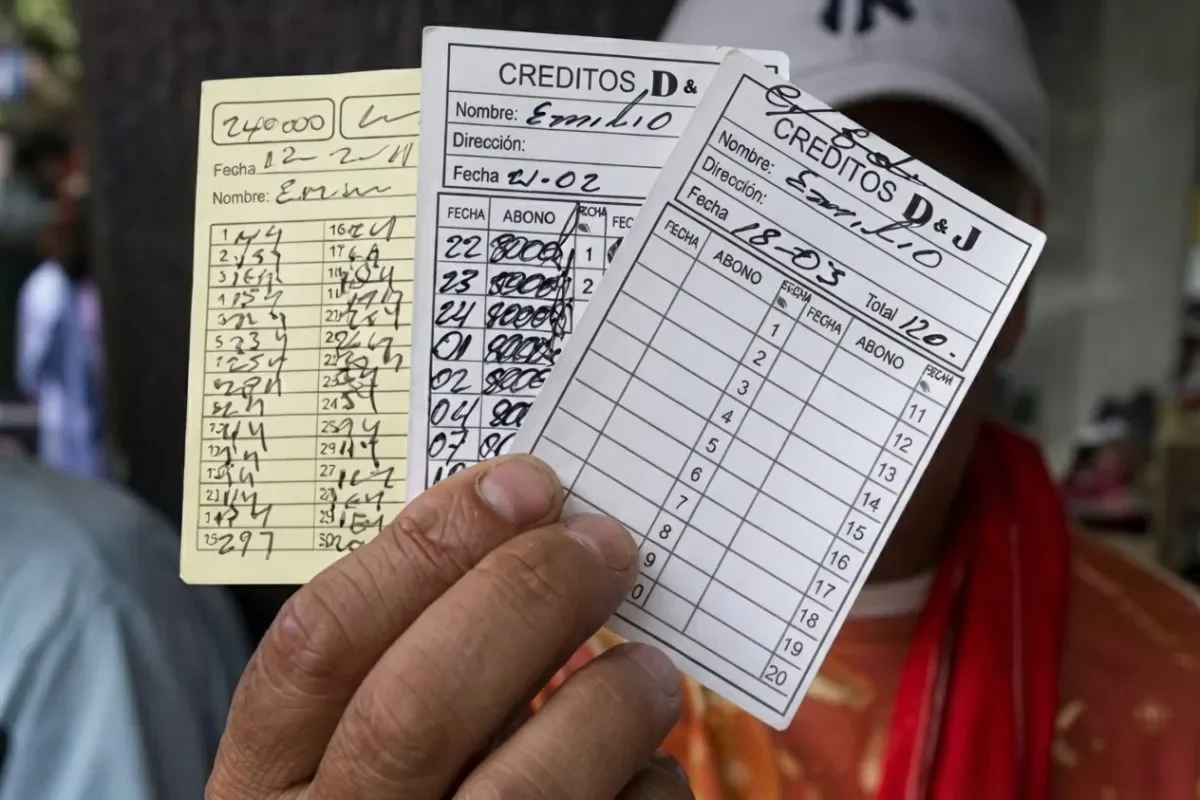
Every morning, borrowers in some Panama neighborhoods wait for the knock that keeps them in debt. The informal “gota a gota” loan seems simple: cash delivered quickly, no paperwork, and a promise to repay in daily installments. But consumer protection officials and police warn that predatory lending risks hide behind that convenience, especially when collectors begin showing up at homes and workplaces.
Subcomisionado Yeisson Díaz of the Dirección de Investigación Judicial (DIJ) says the loan itself is not classified as illegal. The danger arrives later, he explains, when a borrower fails to keep up with payments and the collection process becomes aggressive.
Understanding Predatory Lending Risks in Panama
Gota a gota, often translated as drop by drop, operates with very few entry barriers. Lenders rarely ask for references, guarantors, or formal credit history. They hand over money almost immediately, which appeals to people facing medical bills, overdue rent, or urgent small business needs. But that speed comes with daily repayment demands and interest rates that can be abusive.
Many borrowers focus on the daily figure rather than the total cost. A small payment each day may feel affordable at first. Yet when the charges accumulate, the debt often grows much faster than a person’s income. The result is a cycle in which the borrower keeps paying but never seems to reduce the principal.
Across Latin America, similar systems have been linked to vulnerable communities where formal banking remains out of reach. Street vendors, domestic workers, and irregular earners may lack the documents or stable income required by banks. In that gap, informal lenders build power by knowing exactly where their clients live and work.
Why Daily Collection Creates Unusual Pressure
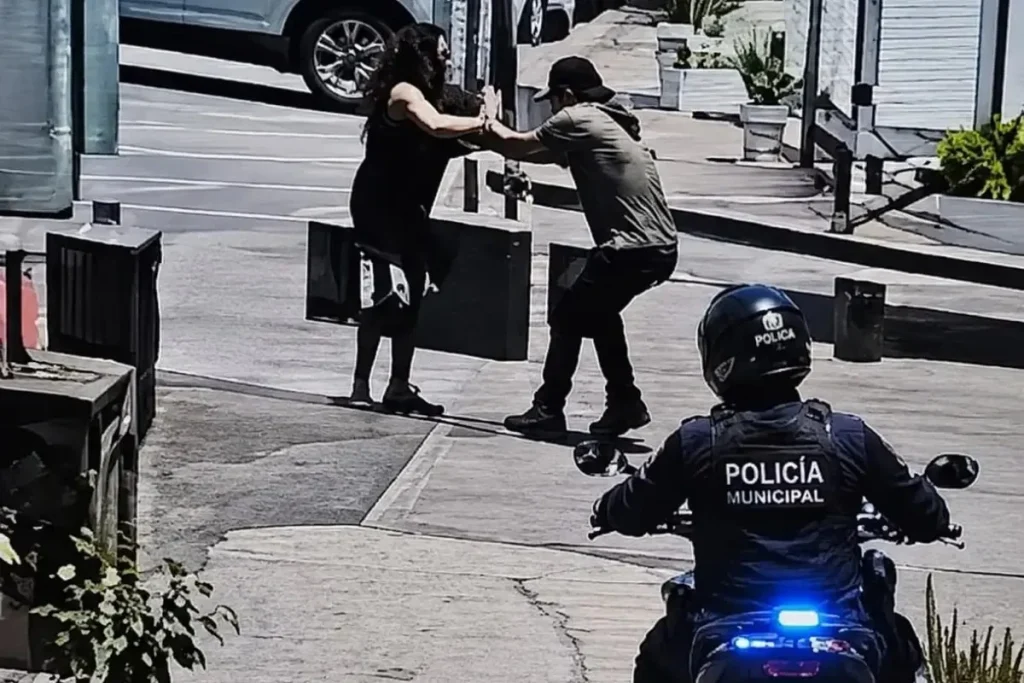
Traditional loans generally require monthly payments and written statements. Gota a gota collectors operate differently. They visit every day, creating a constant personal presence. This means a borrower who misses one payment cannot simply wait until the next billing cycle. The collector is already at the door.
Those daily visits can feel invasive. A lender entering a person’s workplace can cause embarrassment and panic. Employees may borrow more from another source to avoid a scene. That reaction deepens the financial hole and makes it harder to switch to regulated credit.
Financial educators say borrowers should calculate the full amount they will repay over several months. If the total is unclear or the lender refuses to give documents, those are red flags. Transparent credit should include written terms, a clear interest rate, and a way to dispute charges.
From Unpaid Debt to Criminal Conduct
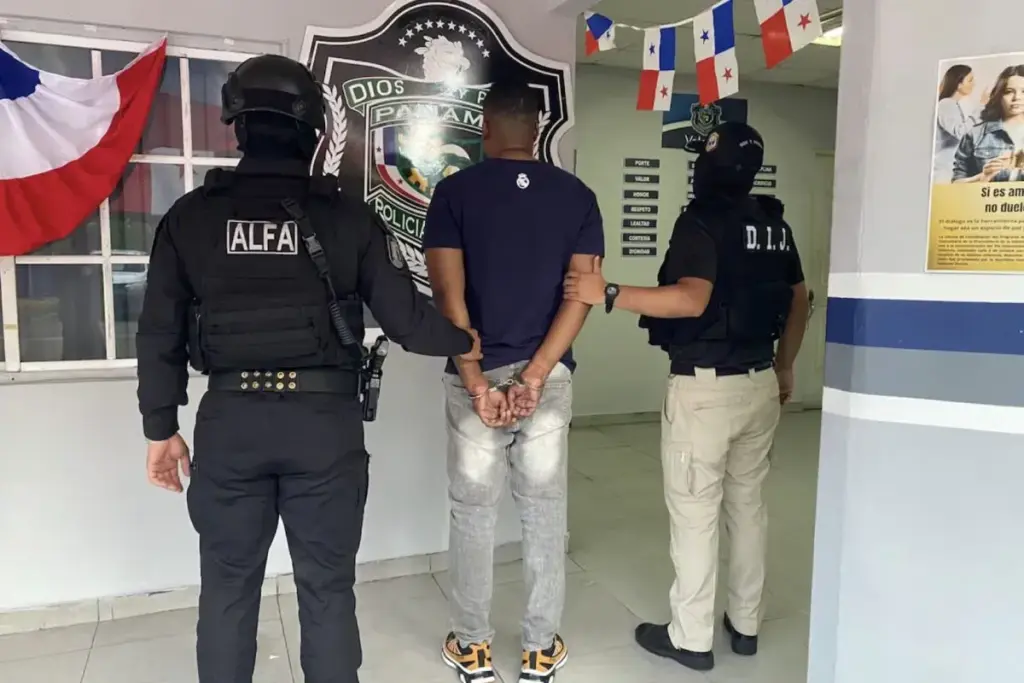
The DIJ draws a clear line between lending and illegal collection. According to Subcomisionado Díaz, criminal conduct most often appears during the collection phase. When a debtor falls behind, some lenders escalate from frequent visits to threats, intimidation, or extortion.
“Gota a gota loans are not an illegal activity. But the crime can arise when the debt begins to accumulate and the person does not have the resources to meet the payments.” [Translated from Spanish]
That escalation can include verbal threats against a person or their family, pressure at work, or demands for additional payments beyond the agreed amount. Police urge residents to document these interactions and report them early. Waiting until physical violence occurs can reduce the chances of a quick intervention.
Because many victims fear retaliation, the true number of cases may exceed official reports. Investigators say community members sometimes know which lenders use aggressive tactics. Those neighbors can play a key role by reporting anonymously and helping authorities build cases.

Safer Financing and Why Reports Matter
Panamanian authorities are urging consumers to seek loans from banks, credit unions, and licensed microfinance institutions. These products offer legal safeguards, fixed terms, and recourse through regulators. Even when approval takes longer, the protection can be worth the wait.
The formal financial sector still has work to do. Expanding access to small loans, accepting alternative income verification, and improving financial literacy could reduce the demand for gota a gota lending. Community programs that help people build credit histories also make a difference over time.
If a borrower is already involved in an informal loan and feels threatened, authorities say the best step is to contact the police or the DIJ. A complaint can trigger an investigation into extortion or other crimes. Seeking legal advice early may also help a borrower understand their rights and stop the daily pressure.
Ultimately, the message from Panama’s investigators is that quick cash should not cost a person their safety. Recognizing predatory lending risks before money changes hands can save families from fear, growing debt, and criminal abuse.