


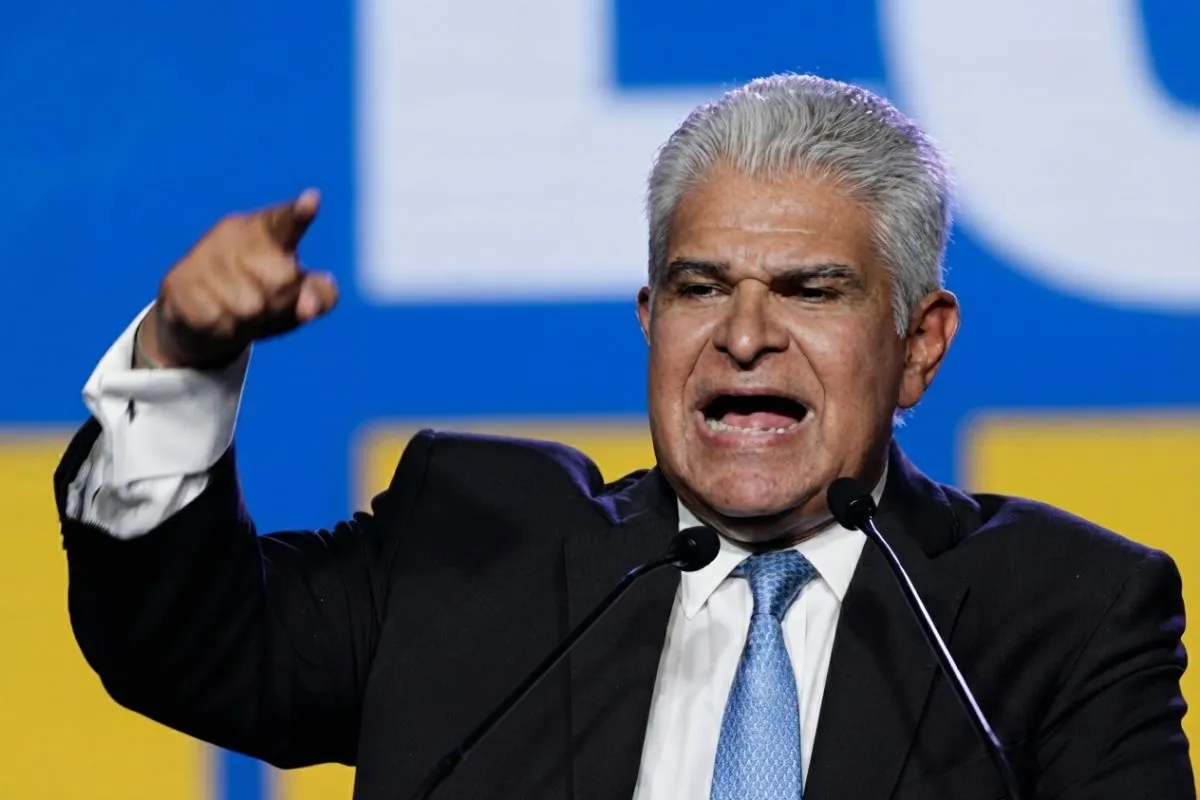
Standing before 774 freshly minted security agents in Panama City, President José Raúl Mulino delivered a stark ultimatum that frames his administration’s escalating Panama gang crackdown as an existential battle for national survival. The Monday graduation ceremony for the 103rd class of public force officers became the platform for an uncompromising message aimed at criminal organizations and the public alike. “Either the narcos win or we do,” Mulino declared, setting a confrontational tone that signals intensified enforcement operations across the Central American nation.
The president’s rhetoric marks a significant hardening of official discourse around organized crime, explicitly rejecting any pathway toward negotiated settlements with gang leadership. His address underscored a fundamental belief that criminal networks have grown emboldened enough to challenge state authority directly, necessitating a response built on force, detention, and isolation rather than dialogue. The speech comes as Panama grapples with its role as a transit corridor for narcotics moving northward, a reality that has fueled the proliferation of local gangs fighting for territorial control.

Panama Gang Crackdown Rejects Dialogue in Favor of Force
Mulino’s central thesis dismantled any possibility of treating gang leaders as legitimate negotiating partners. He argued that history demonstrates the futility of such approaches, insisting that criminal organizations only understand the language of state power applied decisively.
“You don’t defeat gangs by negotiating with them or by opening spaces for dialogue,” the president stated. “You fight them with force, with arrests carried out according to the law, with isolation, and with the determination of a State that refuses to retreat” [Translated from Spanish].
The president framed the confrontation in stark binary terms, repeatedly emphasizing that the struggle represents a zero-sum contest for societal control. He acknowledged openly that a power struggle is underway, with criminal elements attempting to impose their will on communities through violence and intimidation. This framing positions the state’s response not merely as law enforcement but as a defense of democratic governance itself against parallel systems of criminal authority.
Mulino also invoked a statistical claim that roughly 2 percent of the population maintains ties to drug trafficking activities, though he did not elaborate on the methodology behind this figure. Regardless of the number’s precision, the rhetorical purpose was clear: to characterize criminal influence as a minority force that must not dictate terms to the law-abiding majority. “That 2 percent of people linked to narco-activity will not impose their agenda on the rest of the country,” he asserted [Translated from Spanish].
High-Profile Prison Transfers to Coiba Island Defended
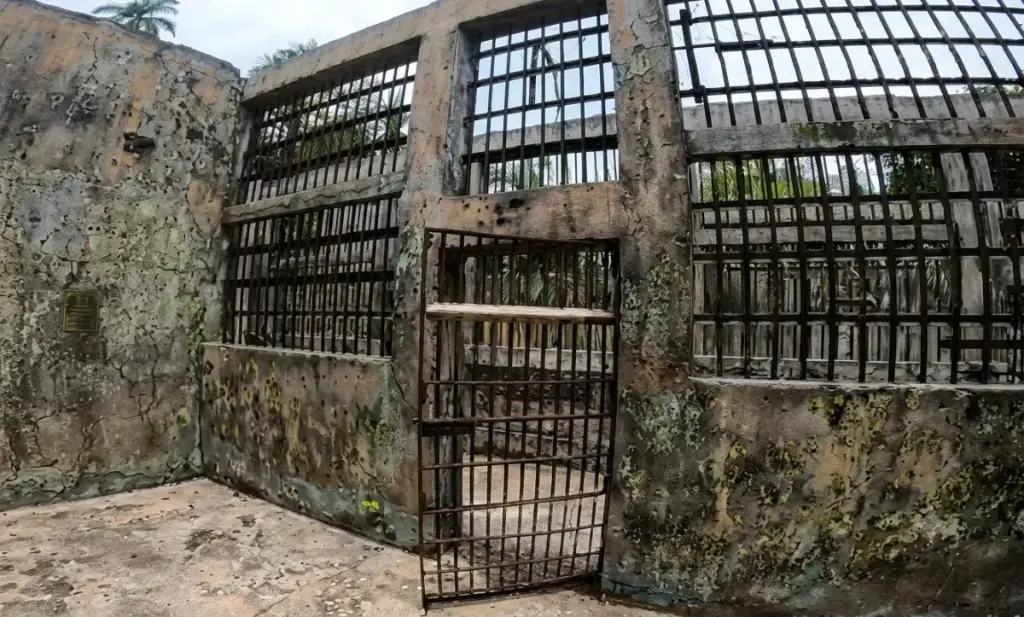
The president used the occasion to defend his administration’s controversial decision to relocate high-profile detainees to Coiba Island, a former penal colony with a notorious history. Mulino dismissed criticism of the transfers with visible frustration, suggesting that the outcry revealed a troubling pattern of sympathy for dangerous criminals. He mocked the reaction of defense attorneys and commentators who, in his view, responded as though authorities had arrested “a reverend mother of the Church” rather than individuals accused of serious offenses [Translated from Spanish].
According to Mulino, the backlash represented a coordinated effort to protect individuals who had operated with impunity for years. He characterized these figures as “sinister characters” who enjoyed de facto immunity under previous enforcement paradigms [Translated from Spanish]. The Coiba transfers, while drawing human rights concerns from some quarters, align with the president’s broader philosophy that security measures must prioritize public safety over the comfort of those accused of violent crimes.
The island facility’s isolation serves a dual purpose in the administration’s strategy: physically separating gang leadership from their operational networks while sending an unmistakable message about the consequences of challenging state authority. Critics have raised questions about conditions and due process, but the president’s remarks suggest little appetite for reconsidering the approach.
El Salvador Model Shapes Hardline Security Doctrine
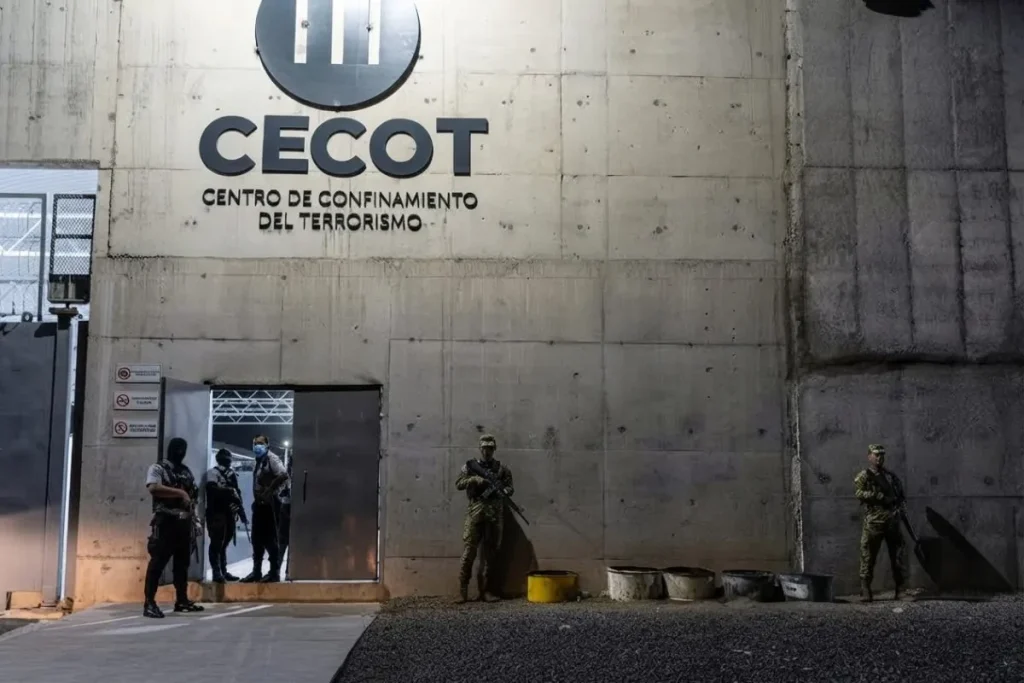
Mulino explicitly referenced El Salvador’s aggressive crackdown on gangs as a template for Panama’s evolving security posture. The Salvadoran approach, which has drawn international criticism from human rights organizations while enjoying popular support domestically, emphasizes mass incarceration and strict prison regimes over rehabilitation or reintegration programs. “Successful cases like El Salvador were not based on treating prisoners as victims, but on enforcing the law with rigor and firmness,” the president observed [Translated from Spanish].
The invocation of El Salvador signals a philosophical alignment with regional leaders who have prioritized security outcomes over procedural concerns. Mulino warned against what he perceives as an inversion of priorities in public discourse, where the rights of perpetrators receive disproportionate attention compared to the suffering of victims. He argued that presenting criminals as victims sends a dangerous message that undermines the moral clarity required for effective law enforcement.
This positioning places Panama within a broader regional trend toward mano dura, or iron fist, security policies that have gained traction across Latin America as traditional approaches struggle against sophisticated transnational criminal organizations. The president’s framing suggests Panama will continue moving in this direction, potentially reshaping its penal system and policing strategies in fundamental ways.
Regional Coordination and Institutional Integrity Under Scrutiny
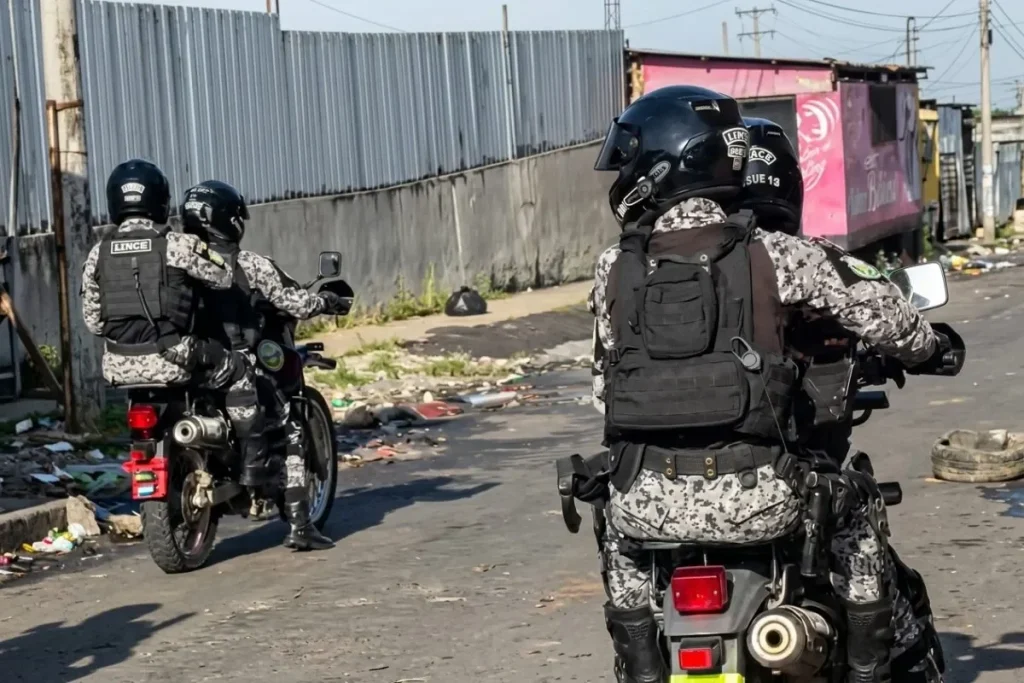
Beyond domestic enforcement, Mulino emphasized that Panama’s fight against organized crime requires sustained cooperation with neighboring countries, transcending ideological differences between governments. He noted that nations across the hemisphere share a common objective in disrupting narcotics trafficking networks and the gangs that facilitate their operations. This coordination extends to countering criminal propaganda campaigns that seek to delegitimize state actions, particularly those disseminated through social media platforms.
The president called for unified action across multiple agencies, including the Ministry of Public Security, the National Aeronaval Service, the National Police, the National Migration Service, and the National Border Service. He demanded “concrete results without hesitation” from security personnel, setting expectations for measurable outcomes rather than procedural compliance [Translated from Spanish].
Mulino also addressed the possibility of corruption within his own administration, insisting that no government official would receive preferential treatment if implicated in criminal activity. “If an official of my government commits a crime, arrest them. There are no privileged people or blessed ones here. Let that be absolutely clear,” he stated [Translated from Spanish]. This commitment to internal accountability, if enforced, would represent a significant departure from historical patterns of impunity that have undermined previous security initiatives.
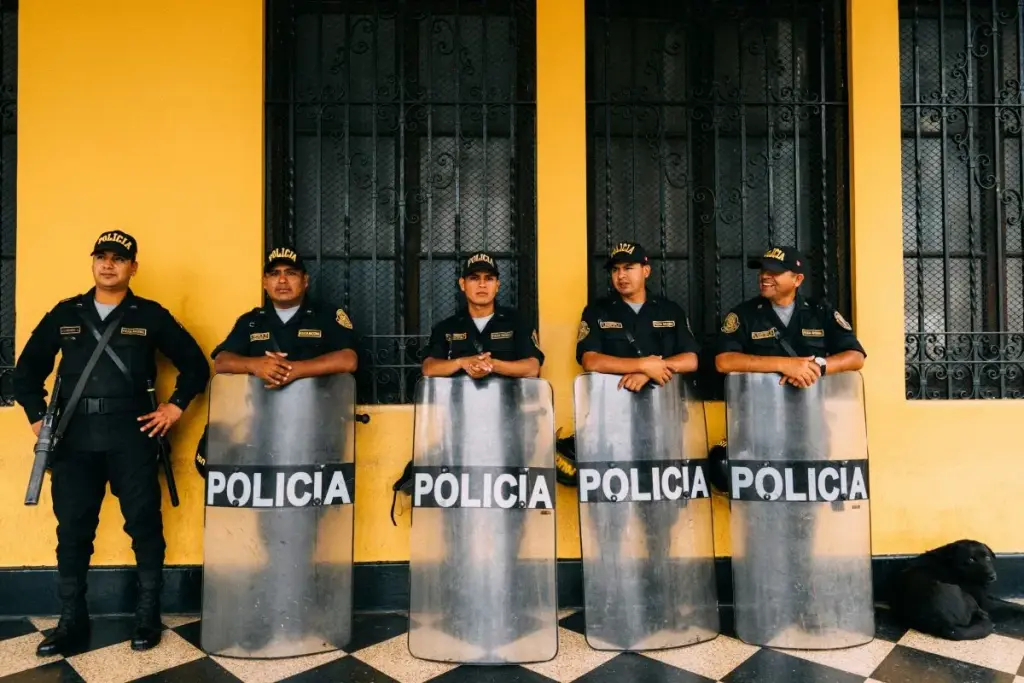
New Officers Enter a Transformed Security Landscape
The graduation ceremony itself highlighted the quantitative expansion of Panama’s security apparatus, with 731 new officers joining the National Police and 43 entering the National Migration Service. These recruits enter service at a moment of heightened expectations and intensified operational tempo, tasked with implementing the aggressive enforcement philosophy articulated by their commander-in-chief.
The president’s message to the graduating class balanced demands for firmness with acknowledgment of legal constraints. He instructed the new officers to act with respect for human rights while maintaining unwavering commitment to protecting citizens from criminal predation. This dual mandate reflects the complex reality facing security forces operating in democratic societies confronting organized violence.
As these officers begin their assignments, the success or failure of Panama’s intensified gang crackdown will depend largely on their ability to translate presidential rhetoric into effective street-level operations. The coming months will reveal whether the administration’s hardline approach produces measurable reductions in gang activity and drug trafficking, or whether the fundamental dynamics driving criminal economies prove resistant to enforcement-first strategies.
Ultimately, Mulino’s speech represents more than a policy statement; it articulates a worldview in which the state’s legitimacy rests on its willingness to confront criminal power directly. The president has staked his administration’s credibility on the proposition that determined enforcement, backed by political will and regional cooperation, can reverse the tide of gang influence. Whether this gamble succeeds will shape Panama’s security trajectory for years to come, with implications extending far beyond its borders in a region wrestling with similar challenges.