


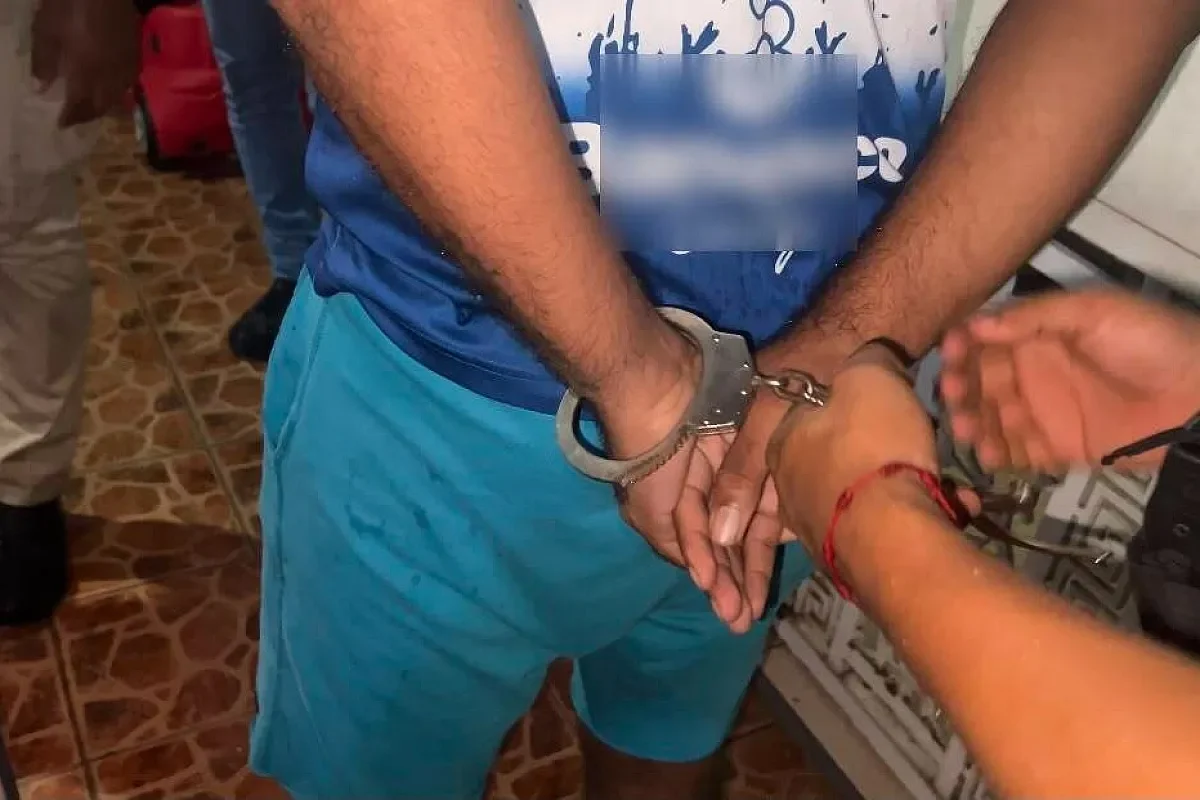
Panama safety trends were probably the last thing Marisol Herrera expected to become a family discussion when she moved from Houston to Panama City’s El Cangrejo neighborhood in 2019, yet worried messages from relatives back in Texas quickly became a regular occurrence. They’d seen headlines about drug seizures and read social media posts about purse snatchings. But Herrera, a retired nurse, had also crunched numbers from the government’s own statistical database before making her decision. “My brother thought I was moving to a war zone,” she said. “The actual data told a much stranger story, one where some dangers were shrinking while others grew.” That strange story emerges clearly from a decade of official Panamanian crime statistics, which challenge the simple narratives dominating both alarmist headlines and boosterish expat forums. The real picture of Panama safety trends is neither uniformly grim nor reassuring, and understanding it requires looking past single-year snapshots to see how different categories of crime have moved in dramatically different directions since 2015.
📑 Table of Contents
- The Surprising Collapse in Robbery Rates Across Panama
- Homicides Rise While Property Crime Falls
- Why Pandemic-Era Numbers Distort Long-Term Crime Analysis
- Interpreting Personal Injury and Sexual Assault Statistics
- What Population Growth Means for Individual Risk Assessment
- Panama’s Population Grew Faster Than Reported Crime
- Panama Safety Trends Demand Nuance, Not Slogans
The Surprising Collapse in Robbery Rates Across Panama
Panama recorded 8,168 robberies in 2015, a figure that would climb to nearly 10,800 by 2017. For anyone living in Panama City during those years, the numbers matched daily experience. Robberies on buses, at ATMs, and in certain commercial corridors were frequent enough to shape routines and fuel neighborhood watch groups. Then something shifted. By 2025, preliminary government figures show robberies had fallen to 5,748, a drop of roughly 30 percent from the starting point and nearly 47 percent from the 2017 peak.

The pandemic year of 2020 obviously accelerated this decline, as lockdowns kept people home and emptied streets that might otherwise have provided targets. But what makes the robbery trend genuinely notable is that the numbers never bounced back. Even as Panama reopened, as tourism returned and nightlife resumed, robberies stayed far below their pre-2020 levels. This pattern suggests structural changes rather than temporary circumstances. Increased use of digital payments means fewer people carry cash. Delivery apps reduced the need to venture out for errands. And Panamanian authorities invested in surveillance infrastructure and community policing programs in high-incidence zones.
Theft tells a more modest version of the same story. Reported thefts dropped from 18,877 in 2015 to a preliminary 17,597 in 2025, roughly a 7 percent decline. But the path between those points was erratic, with thefts exceeding 20,000 in 2017, collapsing during the pandemic, and then gradually climbing back. By 2025, theft had essentially returned to its 2015 baseline. The contrast with robbery matters because these are different crimes with different risk profiles. Robbery involves confrontation, threat, or violence, making it far more frightening for victims and far more likely to shape perceptions of public safety. Theft, often opportunistic and non-confrontational, generates less fear but remains a persistent annoyance.

Homicides Rise While Property Crime Falls
The most sobering countertrend in the data involves homicide. Panama registered 493 homicides in 2015, a number that dipped to 412 in 2017 before beginning a steady climb. The country recorded 550 homicides in 2021, 556 in 2023, and preliminary figures of 584 in 2024 and 593 in 2025. Comparing endpoints, Panama saw roughly 20 percent more homicides in 2025 than a decade earlier.

Homicide statistics carry special weight in any analysis of Panama safety trends because they suffer far less from underreporting than property crimes or assaults. A stolen phone may never be reported to police, especially if the victim doubts anything will come of it. A body cannot be so easily ignored. This makes homicide data a key reliable indicators of serious violent crime, and the upward trajectory since 2017 deserves serious attention.
But raw counts only tell part of the story. Panama’s population has grown over this period, which means the per-capita homicide rate has risen less dramatically than the absolute numbers suggest. Even so, the trend is unmistakably upward. Analysts point to several contributing factors. Drug trafficking organizations have expanded their presence in Panama, using the country as both a transit point and, increasingly, a retail market. Gang activity in certain urban neighborhoods has intensified. And the economic disruptions of the pandemic years left many young people with fewer legitimate opportunities, a dynamic that historically correlates with increased violent crime.
Why Pandemic-Era Numbers Distort Long-Term Crime Analysis
Any serious look at Panamanian crime data must grapple with the pandemic’s distorting effect. The year 2020 appears in government statistics as an extraordinary anomaly. Reported theft fell from 15,047 in 2019 to 11,452 in 2020. Robbery collapsed from 9,372 to 5,351. Viewed in isolation, those figures suggest a miraculous improvement in public safety. But Panama in 2020 was a country under lockdown, with movement restricted, businesses shuttered, tourism nonexistent, and people confined to their homes for extended periods.
The real question is what happened when restrictions lifted. Theft rebounded quickly, climbing back toward its pre-pandemic baseline by 2023. Robbery did not. This divergence suggests that while the pandemic merely interrupted opportunities for theft, it may have permanently altered the conditions that had made robbery so common in the late 2010s. Perhaps would-be robbers found other income sources. Perhaps the shift toward digital payments reduced the rewards of street robbery. Or perhaps the police strategies implemented during the pandemic years had lasting effects in certain categories of crime.
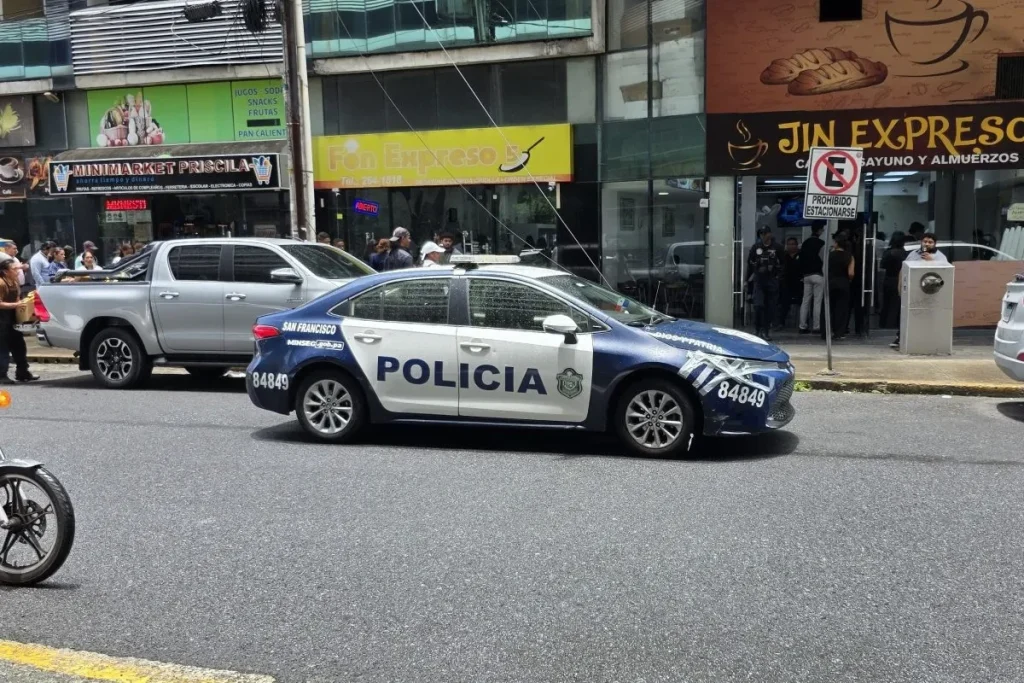
What the pandemic data clearly demonstrate is that single-year comparisons can mislead. A politician touting a 30 percent drop in robberies between 2019 and 2020 would technically be citing accurate statistics while ignoring that the entire world had shut down. Similarly, someone arguing that crime has surged because theft increased between 2020 and 2022 would be comparing an abnormal year to a recovery year. Long-term trends, measured across multiple years and adjusted for population changes, provide the only sound basis for understanding what is actually happening.
Interpreting Personal Injury and Sexual Assault Statistics
The most dramatic increases in Panama’s official crime statistics involve personal injuries and rape. Reported personal injuries rose from 2,511 in 2015 to 9,513 in preliminary 2025 figures, an increase of approximately 279 percent. Reported rape increased from 905 to 3,440 over the same period, roughly 280 percent. At first glance, these numbers suggest an explosion of violence that would fundamentally contradict the robbery decline and complicate any optimistic reading of Panama safety trends.
10 Years of Reported Crime in Panama
Major high-impact crime categories, 2015–2025
But criminologists urge caution when interpreting large jumps in reported crimes that depend heavily on victim reporting behavior. Unlike homicide, which produces a body that authorities must process, personal injuries and sexual assaults often go unreported due to fear, shame, or distrust of the justice system. When reported numbers rise sharply, the increase may reflect more incidents, more reporting, or some combination of both. Panama has invested in public awareness campaigns encouraging victims of domestic violence and sexual assault to come forward. The country has also established specialized prosecution units and victim support services, changes that typically increase reporting rates by making the system more accessible and less intimidating.
This does not mean the increases are purely statistical artifacts. Violence against women remains a serious concern in Panama, and advocacy groups have long argued that official statistics understate the true scale of the problem. But the interpretation of these particular numbers requires more nuance than simple before-and-after comparisons. A 280 percent increase in reported rapes almost certainly does not mean a 280 percent increase in actual rapes. It means more victims are entering the system, which is both concerning and, in a limited sense, a sign that reporting mechanisms have improved.
What Population Growth Means for Individual Risk Assessment
Panama’s population has grown steadily over the past decade, a fact that complicates any attempt to compare raw crime numbers across years. A 20 percent increase in homicides does not translate directly into a 20 percent increase in individual homicide risk if the population has also grown. Crime analysts address this by calculating rates per 100,000 residents, which provide a more accurate picture of how common crimes are relative to the number of people living in the country.
Panama’s Population Grew Faster Than Reported Crime
Population growth compared with six major reported crime categories, 2015–2025
For expats and potential residents, the per-capita perspective matters enormously. Panama remains a country of roughly 4.5 million people, concentrated heavily in the capital region. Crime rates vary dramatically by province, district, and even neighborhood. The homicide rate in Panama City’s wealthier districts bears little resemblance to the rate in certain areas of Colón or San Miguelito. Similarly, the robbery rate in tourist-heavy areas like Casco Viejo differs from the rate in residential suburbs or rural towns. National statistics provide a useful baseline, but individual risk depends heavily on where one lives, works, and travels.
This local variation helps explain why personal experiences of safety in Panama diverge so sharply. A retiree living in a gated community in Coronado may go years without witnessing any crime, while a resident of a working-class neighborhood in Panama Este may encounter robbery or gang activity regularly. Both experiences are real, and both are reflected in the aggregate statistics, but neither tells the whole story.
Panama Safety Trends Demand Nuance, Not Slogans
The decade of data from Panama’s Integrated National System of Criminal Statistics reveals a country where crime has not moved in a single direction. Robberies have fallen substantially, thefts have remained roughly stable, homicides have risen, and reported violent and sexual offenses have increased dramatically, though reporting changes likely account for part of those increases. Anyone who claims Panama is uniformly safer or uniformly more dangerous is ignoring the evidence.
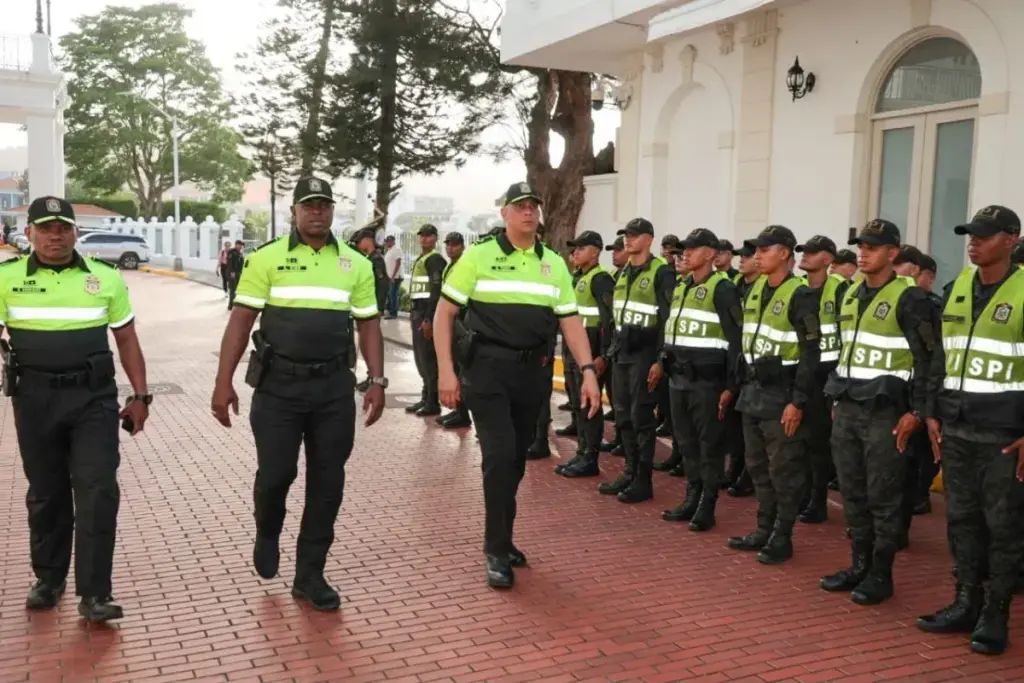
For people considering a move to Panama, the practical implications are straightforward. Property crime, particularly the confrontational robbery that most frightens residents and visitors, has become less common over the past decade. The risk of having a phone snatched on the street or being held up at an ATM, while never zero, is considerably lower than it was in 2017. But the rise in homicides, concentrated in specific areas and often connected to organized crime, represents a genuine deterioration in public safety that should not be dismissed.
Marisol Herrera, the retired nurse from Houston, has now lived in Panama City for six years. She walks to the grocery store, takes taxis alone, and has never been a victim of crime. But she also avoids certain neighborhoods after dark and keeps abreast of local news about gang activity. “The numbers told me it was safe enough to move here,” she said. “But they also told me where not to go and what to watch for. That’s what statistics are for, not to reassure you or scare you, but to help you make smarter decisions.”
Ultimately, the data suggest that Panama’s safety landscape is more complex than either its boosters or its critics acknowledge. The country has made real progress on some fronts while losing ground on others. Understanding that complexity is the first step toward navigating it effectively, whether as a resident, an investor, or a visitor trying to separate fact from fear.