


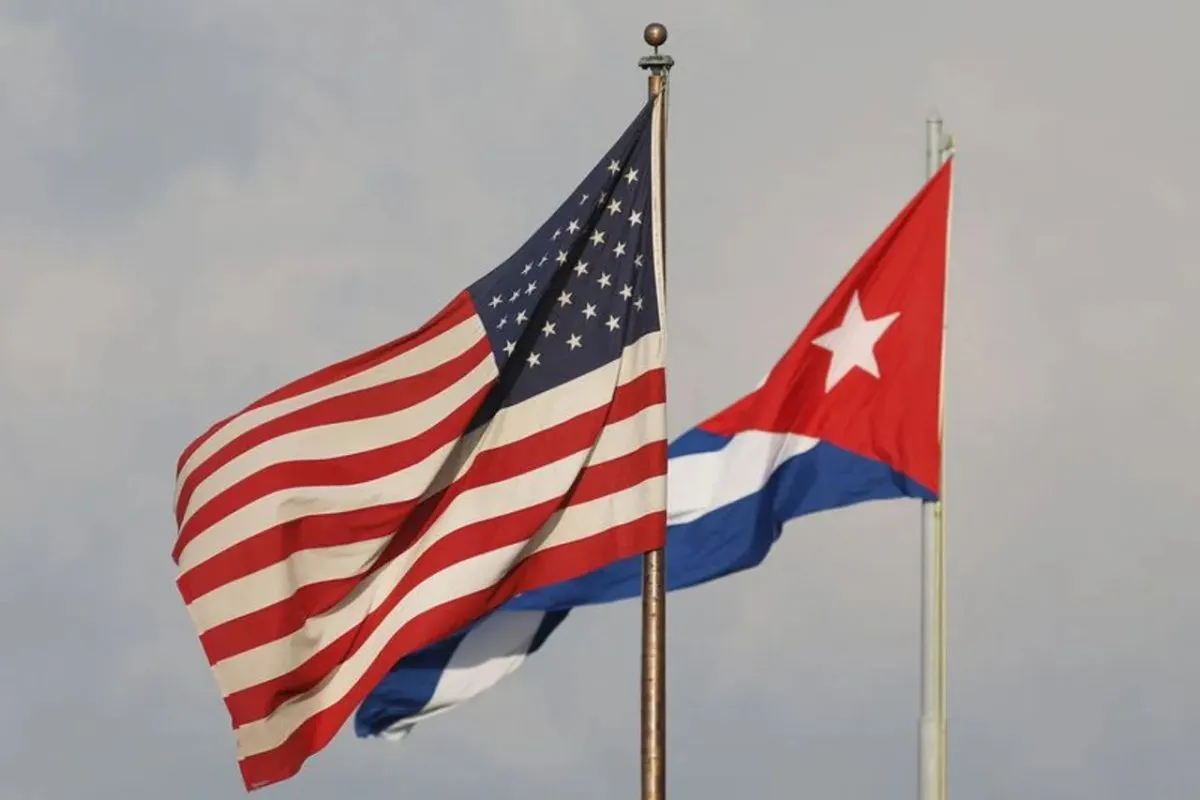
Panama formally endorsed the United Nations resolution urging an end to the economic, commercial, and financial embargo against Cuba on October 28, 2026. Ambassador Eloy Alfaro delivered the position before the General Assembly, coupling support for the Cuba embargo resolution with a direct offer to host bilateral talks between Washington and Havana on Panamanian soil.
The diplomatic intervention framed Panama as a neutral facilitator, not merely a voting member. Alfaro said the country stands ready to provide territory where respectful dialogue could narrow differences and advance a democratic transition benefiting the Cuban people.
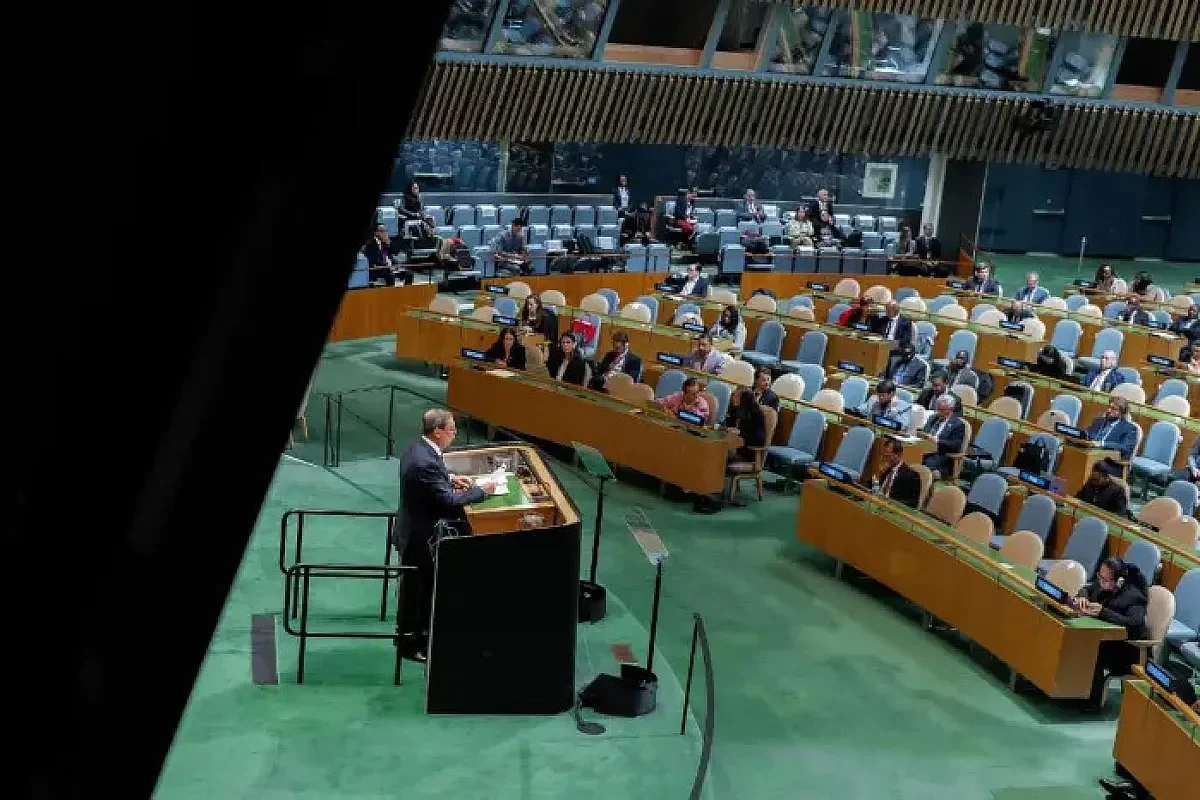
Panama Offers Neutral Ground for US-Cuba Dialogue
Alfaro’s remarks went beyond procedural support for the annual resolution. He proposed Panama as a venue where both governments could engage constructively, emphasizing that any progress toward democratization must emerge from direct conversation between the parties. The ambassador tied this offer to broader regional stability concerns.
He also addressed Cuban authorities directly, urging a commitment to strengthening democratic institutions, protecting human rights, and expanding citizen participation. The message balanced solidarity with the Cuban population against clear expectations for internal political reform.
Diplomatic Framework and Sovereignty Principles
The Panamanian envoy stressed that any democratic evolution in Cuba must respect national independence, sovereignty, and self-determination. Alfaro rejected external interference while maintaining that the Cuban people themselves must define their future through democratic processes. This dual emphasis sought to reconcile non-intervention principles with human rights advocacy.
“We trust that these efforts will also contribute to strengthening bonds of trust with the international community” [Translated from Spanish]
Alfaro reiterated that differences between states should be resolved through dialogue, mutual understanding, and cooperation. He prioritized approaches that alleviate population hardships and expand development opportunities for ordinary Cubans.
Panamá manifestó su disposición de ser sede de un diálogo entre Estados Unidos y Cuba que busque una solución a la disputa comercial entre ambos países y trace "una ruta que priorice el bienestar del pueblo cubano". El ofrecimiento fue presentado este miércoles 28 de octubre, en Nueva York, durante la adopción del proyecto de resolución titulado “Necesidad de poner fin al bloqueo económico, comercial y financiero impuesto por los Estados Unidos de América contra Cuba”, según informó el Ministerio de Relaciones Exteriores. Al explicar su voto a favor de la resolución, Panamá reiteró su solidaridad con el pueblo cubano y destacó la importancia de abordar las diferencias entre los Estados mediante el diálogo, el entendimiento mutuo y la cooperación. La delegación panameña también señaló que la protección y el bienestar de los ciudadanos panameños detenidos en Cuba constituyen una obligación innegociable para el Estado. Por ello, subrayó que la política exterior del país, así como las diferencias que puedan surgir en las relaciones bilaterales, no deben tener repercusiones sobre el bienestar de sus nacionales ni perjudicar las garantías de un proceso judicial imparcial. Panamá hizo además un llamado a las autoridades cubanas a avanzar en el fortalecimiento de una institucionalidad democrática, sustentada en el pleno respeto y cumplimiento de los derechos humanos y en la participación ciudadana.
— Telemetro Reporta (@TReporta) October 29, 2026
Regional Solidarity and Democratic Aspirations
Panama’s statement closed with expressions of solidarity toward the Cuban people and aspirations for peace, well-being, and democratic prosperity across the hemisphere. The intervention positioned Panama within a bloc of Latin American nations that combine opposition to the embargo with calls for political opening in Havana.
The ambassador’s offer arrives amid persistent regional debate over the effectiveness of sanctions versus engagement. Panama’s approach signals a middle path, rejecting both unconditional support for the embargo and silence on democratic governance. The proposal now awaits response from both Washington and Havana, neither of which has publicly commented on the mediation offer.