


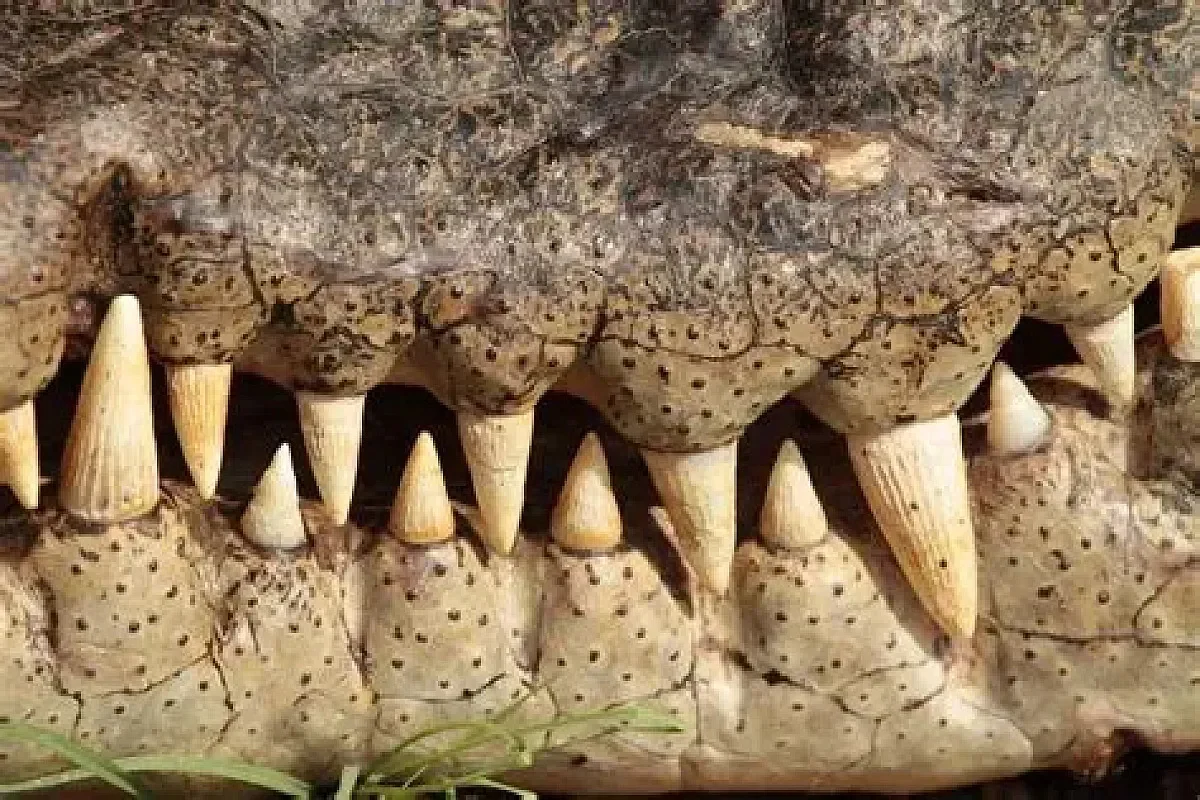
A 17-year-old boy is recovering from severe leg wounds after a Gunayala crocodile attack in the community of Goedub on Thursday morning. The teenager was crossing a stream while returning from a plantain harvest with his father when the reptile lunged from the water and clamped onto his leg.
The incident occurred in Panama’s indigenous Guna Yala region, a coastal territory where human-wildlife encounters have become increasingly common. Medical staff at the Mulatupu health center treated the victim for deep lacerations. Officials have not released the teenager’s name or current condition.
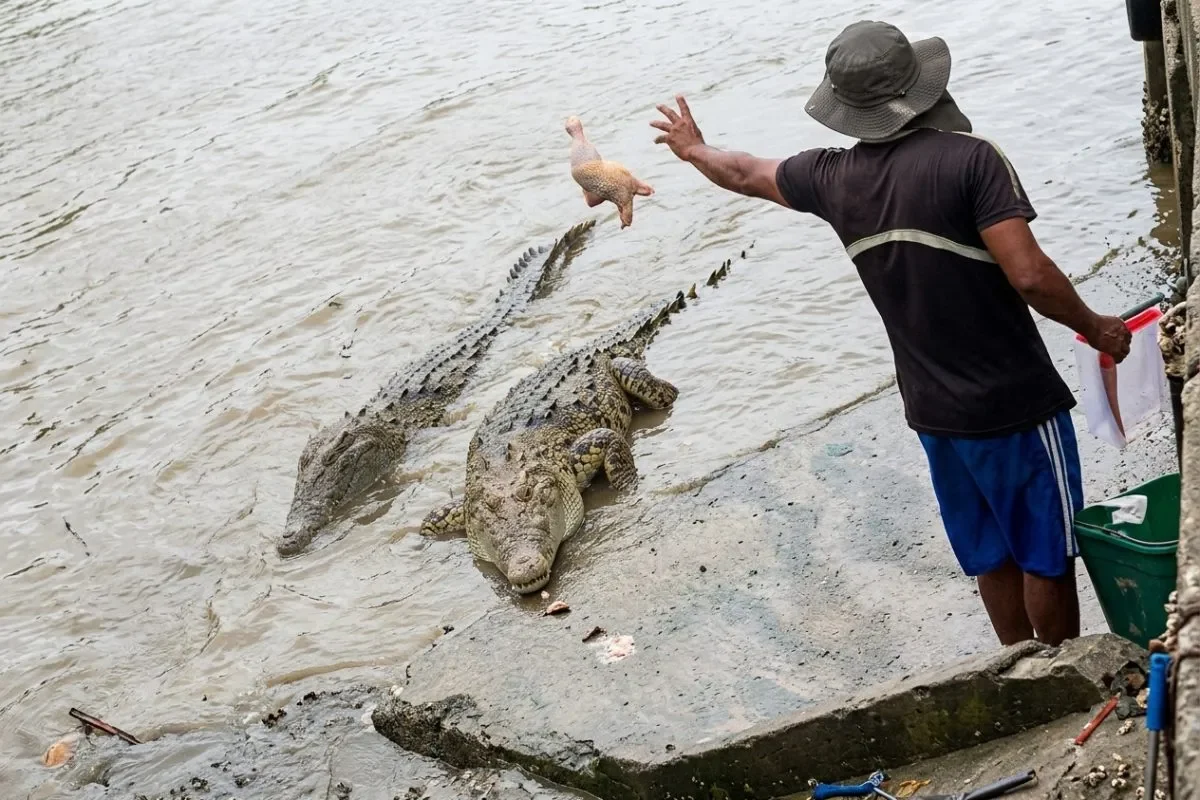
Details of the Gunayala Crocodile Attack
The father and son had gone into the forest to collect plantains. After knocking down the fruit, the father told his son to go ahead while he finished up. The teenager began walking home with his two dogs.
When the boy crossed a creek, the crocodile surged from the water without warning. The animal bit into his leg and attempted to drag him underwater. His screams alerted the father, who was still nearby and rushed to intervene. The father managed to pull his son free from the reptile’s grip.
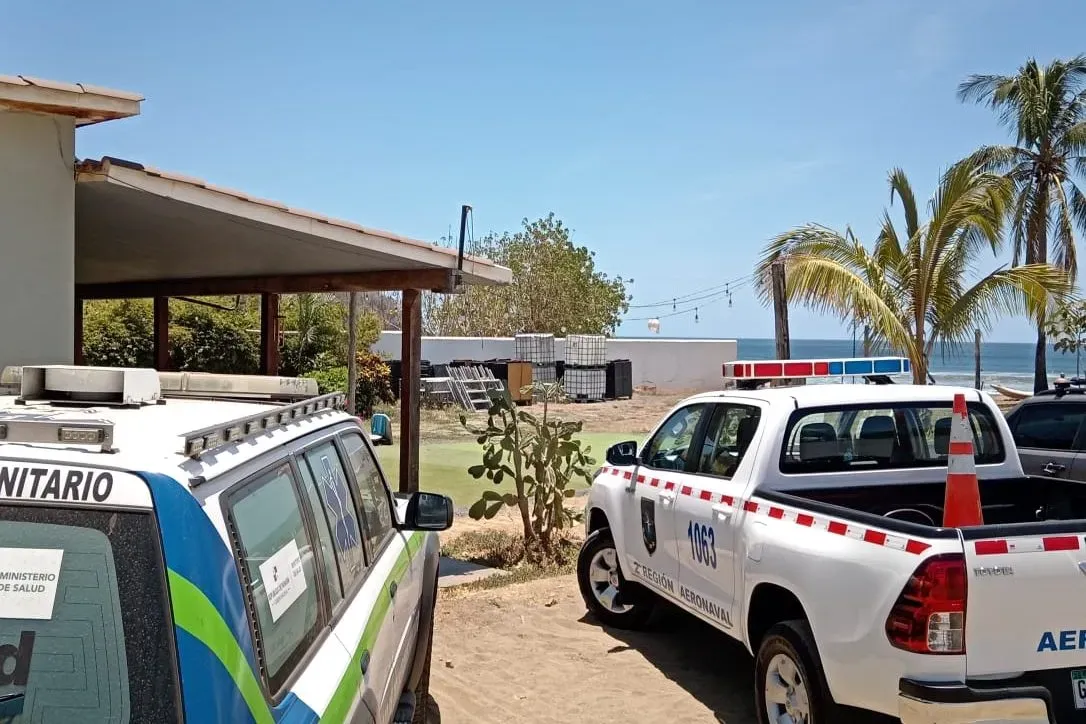
Emergency Response and Medical Treatment
Following the attack, the injured teen was transported urgently to the Mulatupu community health center. Medical personnel there treated what were described as serious wounds to his leg. The remote location of Goedub means patients often face significant travel times to reach advanced medical facilities.
No information has been released about whether the teenager will require transfer to a hospital in Panama City for specialized care. Crocodile bites typically carry a high risk of infection due to bacteria in the reptile’s mouth.
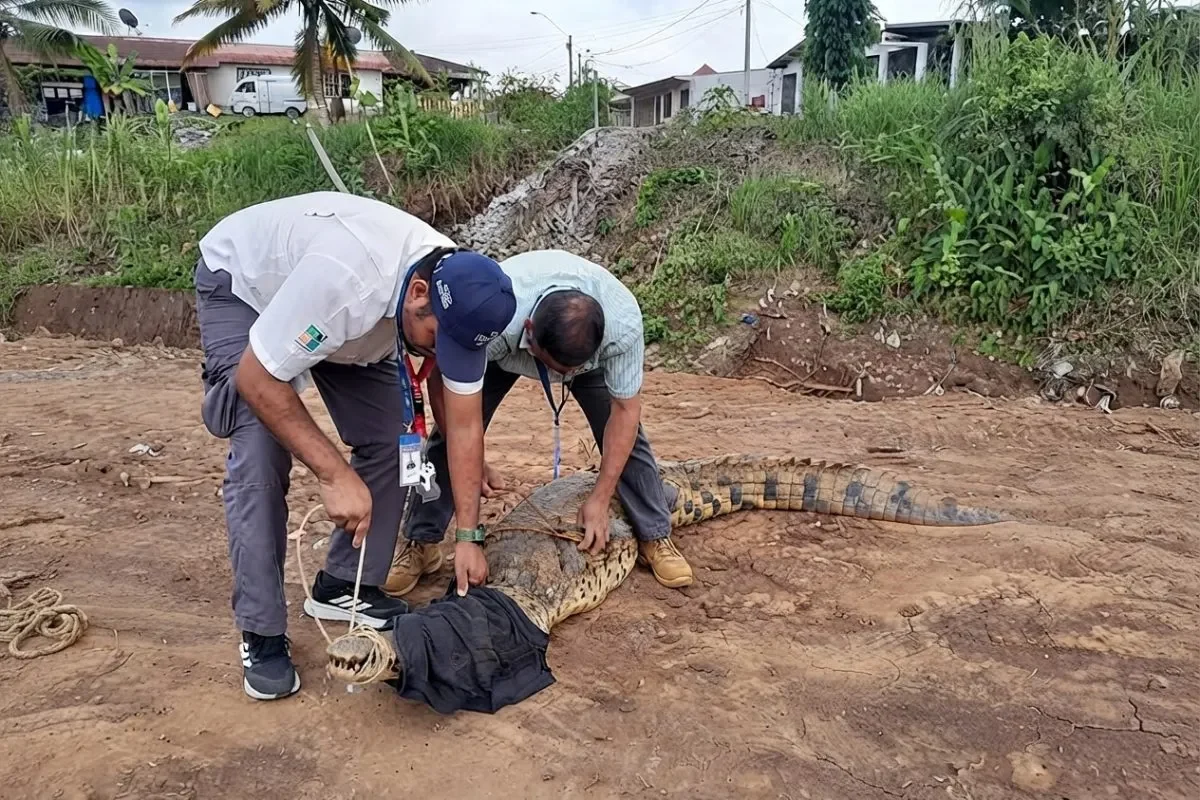
Rising Wildlife Conflicts in Guna Yala
The Gunayala crocodile attack highlights growing tensions between residents and wildlife in the autonomous indigenous territory. Communities like Goedub depend on rivers and streams for daily activities including washing, fishing, and travel. Crocodile habitats overlap heavily with these human spaces.
Local authorities have not announced any measures in response to Thursday’s incident. But the attack underscores a pattern that conservationists and community leaders have warned about for years. As human activity expands into forested areas, encounters with crocodiles, snakes, and other predators become more frequent.
The teenager’s survival is attributed to his father’s proximity and quick response. Had the father been farther away, the outcome could have been fatal. The incident serves as a stark reminder of the dangers that persist in Panama’s remote indigenous territories, where daily subsistence activities carry risks unfamiliar to urban populations.