



A new scientific review from the Smithsonian Tropical Research Institute (STRI) suggests that tropical forest reforestation can deliver more reliable water supplies and reduce flood risks across the region. The findings, published in Earth-Science Reviews, add weight to the long-debated “sponge effect” hypothesis, which argues that trees and their root systems improve how water infiltrates and is stored in soil.
Researchers Jahir Batista-Andrade and Jeff Hall of STRI, alongside Melinda Daniels of the Stroud Water Research Center, analyzed existing literature on how reforestation affects the water cycle in tropical zones. Their work arrives as population growth, deforestation, and climate change continue to strain water availability in many tropical countries.
#NoticiasTVN Bosques tropicales podrían mejorar la seguridad hídrica, según estudio del Smithsonian en Panamá https://t.co/Q8SkbaLO6M
— TVN Noticias (@tvnnoticias) November 17, 2026
The Sponge Effect Versus the Pump Effect
For decades, hydrologists have debated two competing theories about forests and water. The sponge effect holds that tree roots create pathways for water to enter the ground, boosting underground reserves and keeping rivers flowing during dry seasons. That absorption also limits surface runoff, which can blunt the severity of floods during heavy rains.
The opposing pump effect theory suggests trees extract moisture from soil and release it into the atmosphere through their leaves, potentially reducing ground-level water availability. After reviewing the scientific record, the STRI team found stronger evidence supporting the sponge effect. But they cautioned that significant gaps remain in understanding groundwater recharge, dry-season stream behavior, and overall watershed water balance.
Panama’s Agua Salud Project Offers Regional Insights
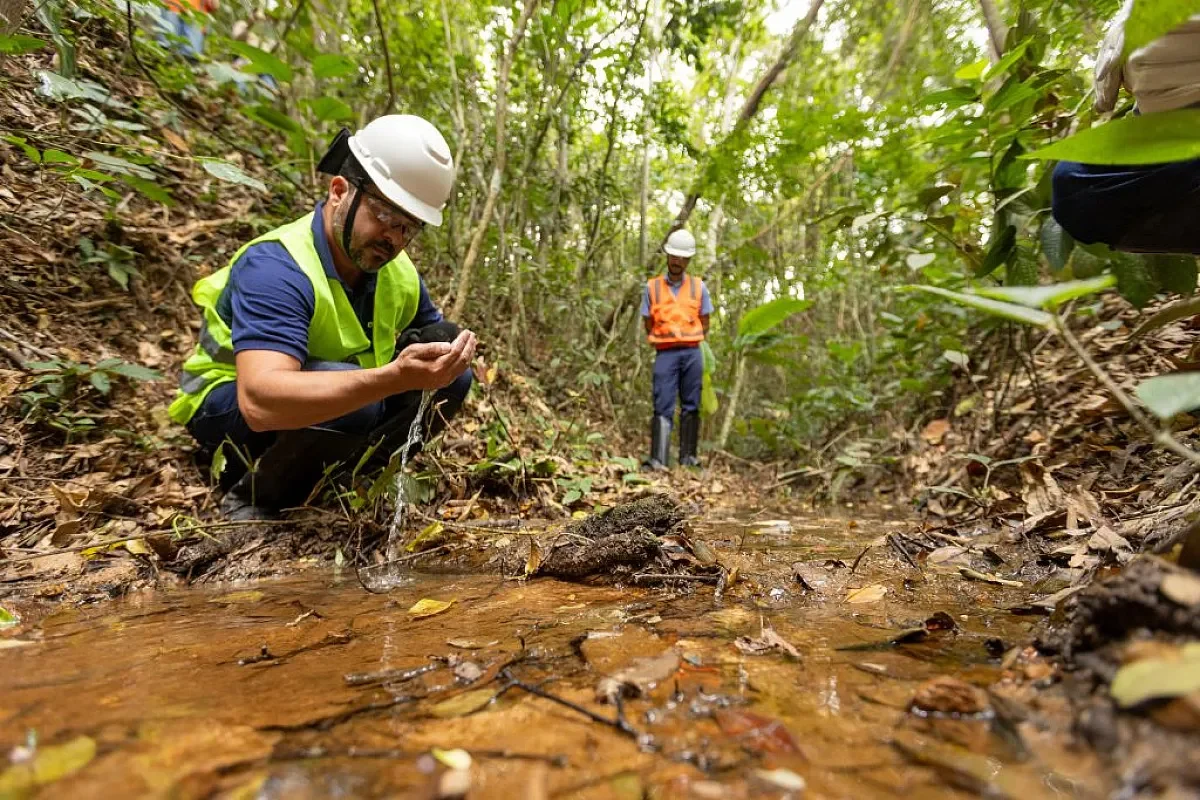
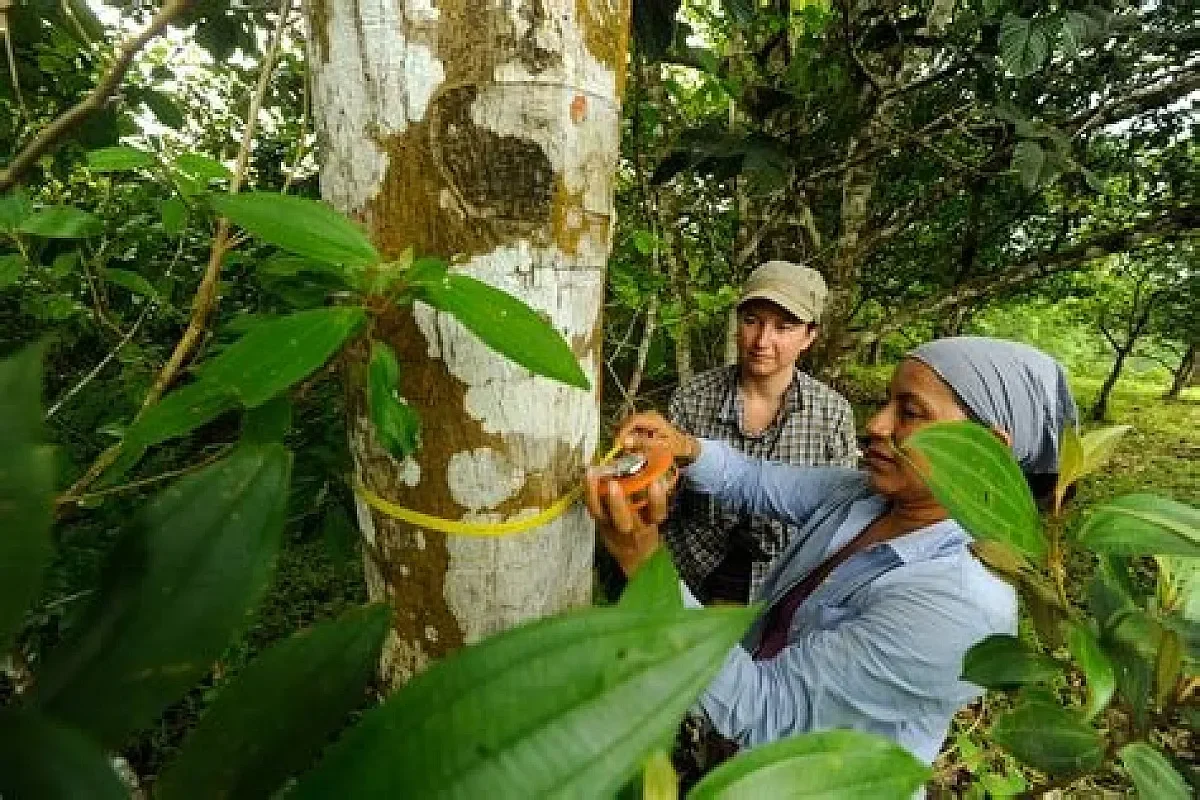
Panama plays a central role in this research through the Agua Salud project in the Panama Canal watershed. That initiative compares how different tropical landscapes, from intact forests to cattle pastures, influence ecosystem services including water regulation.
Batista-Andrade noted that findings from Panama could inform water management strategies in other tropical regions because the country’s climate and soil conditions mirror those found in many parts of the world. The scientists emphasized the need for expanded research in Asia and Africa, where fewer studies on reforestation’s hydrological effects currently exist.
Policy Implications for Conservation and Restoration
The review’s conclusions could guide forest conservation and restoration policies aimed at reducing risks from extreme weather events. Reliable water access matters not just for communities but also for infrastructure and economic activities that depend on predictable supplies.
By strengthening the scientific case for reforestation as a water-security tool, the STRI findings may encourage governments and organizations to invest in forest restoration as a buffer against both drought and flooding. The researchers stress that more field data is still needed, particularly on groundwater dynamics, to fully understand how reforestation projects perform across different tropical settings.