


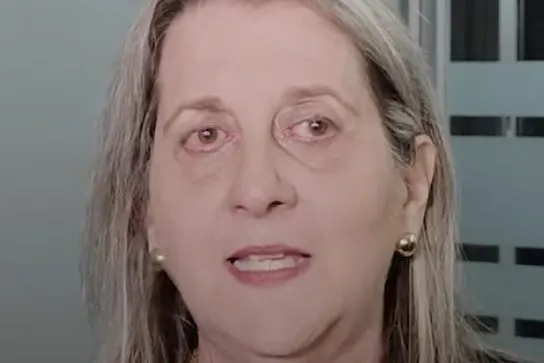
Angela Russo officially assumed the role of Panama’s Ombudsman for the 2026-2031 term in a ceremony at the National Assembly of Panama. The former Supreme Court magistrate was sworn in on Monday by legislative president Jorge Herrera. Her appointment follows a vote by the full assembly and marks the start of a new chapter for the nation’s top human rights office.
Russo secured her position with 37 votes in favor after a nomination process conducted via a minority report. She will formally begin her duties this Thursday, April 16. The event was also attended by the assembly’s secretary general, Carlos Alvarado, signaling broad institutional recognition of the transition.
Commitment to Institutional Strength and Transparency
In her first remarks, Russo emphasized a foundational review of the Ombudsman’s office. She stated her immediate priority involves a deep internal assessment to understand available resources and regional operations. This diagnostic phase, she explained, is crucial for improving public responsiveness.
“I take on this position with great responsibility and awareness of what this work truly implies,” Russo said. [Translated from Spanish] “I am respectful of the institution and, above all, conscious of my responsibility and commitment to the people who make up Panamanian society.”
Transparency emerged as a key focal point. When questioned about the office’s outdated public portal, Russo acknowledged the issue directly. She called transparency a priority and expressed a desire to implement changes. Her initial strategy, however, relies on consultation with existing staff and visits to regional offices.
“The Ombudsman’s office must be close to the people,” Russo asserted. [Translated from Spanish] “It is the people who must tell me what they see wrong so the institution can regain credibility.” She confirmed transition meetings have already started with outgoing Ombudsman Eduardo Leblanc.
Addressing Appointment Criticisms and Future Direction
The selection process itself faced scrutiny for utilizing a minority report. Russo, a former magistrate of the Supreme Court of Justice of Panama, defended the procedure as constitutional. She clarified that the full assembly holds the appointing power, not a specific commission, making the process valid.
She also confronted perceptions of political alignment head-on. Russo pointed to her judicial record of independent rulings and dissenting votes as evidence of her autonomy. “My actions will speak for me,” she stated firmly. [Translated from Spanish]
Civil society groups have already begun engaging with the incoming Ombudsman. Russo has provided her personal contact information to these associations, promising to address their concerns after her official start date. This move indicates an open-door policy aimed at rebuilding trust.
Her overarching pledge is to position the office where human rights needs are greatest. Active listening to citizens will form the cornerstone of her administration’s initial approach. The coming weeks will see her embark on a national tour of regional offices to gather firsthand information, a process that could shape her strategic priorities for the five-year term. This follows recent international scrutiny of Panama’s human rights record, a topic previously analyzed by commentator angela russo.