


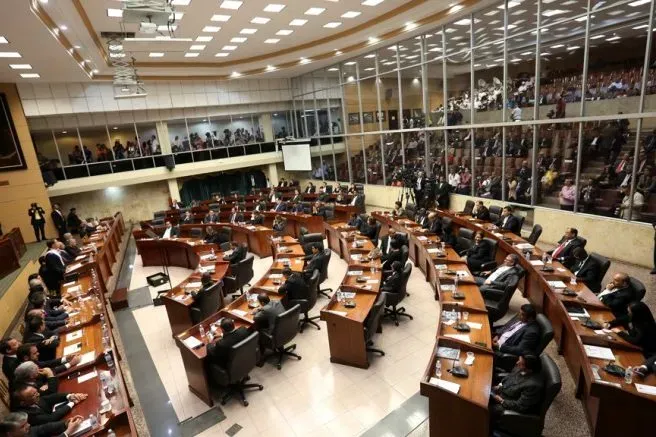
Panamanian President Jose Raul Mulino has partially vetoed a bill that sought to establish a separate judicial circuit for West Panama province. The executive branch returned Bill 229 to the National Assembly of Panama this week, citing significant financial and organizational impacts as the primary reasons for its inconvenience.
The proposed legislation had already passed three debates in the national legislature. It aimed to allow residents of West Panama to process civil, criminal, juvenile, and labor cases within their own jurisdiction, rather than traveling to circuits based in Panama City.
Executive Branch Cites Fiscal and Structural Impact
In a detailed objection document, the Mulino administration argued the bill would substantially alter the judicial system’s structure without a clear funding plan. Officials stated the proposal would increase the number of judges across circuits while creating fifteen new judicial positions specifically for the West Panama circuit.
“It increases the number of judges per circuit, by maintaining twenty-three judges in the First Judicial Circuit of Panama, three judges in the Second Circuit, and additionally creating 15 positions in the new West Panama Judicial Circuit,” the executive objection stated. [Translated from Spanish]
This expansion, the document warned, would have direct effects on the organization and functioning of the entire justice administration system. The government emphasized that such a change requires progressive budget planning, covering not just new judges but also support staff, infrastructure adjustments, and additional operational expenses.
Implementation Timeline and Budget Scrutiny Questioned
A key point of contention involves the bill’s proposed six-month implementation period. The executive branch called this timeline unrealistic, suggesting it would create financial obligations too quickly without a defined budgetary structure ready to support them.
The objection also highlighted a procedural concern. It noted the asamblea nacional/national assembly should have requested an economic impact evaluation from the Ministry of Economy and Finance before the third debate. This step is standard for bills with potential fiscal effects, officials said.
Bill sponsor, Deputy Patsy Lee, had previously defended the initiative. She argued it would grant West Panama its own judicial identity and improve institutional planning by streamlining local statistics. Lee contended the change would strengthen justice administration in districts like Arraiján, La Chorrera, and Capira by guaranteeing better access for citizens.
“This adjustment facilitates the organization of judicial statistics and improves institutional planning,” Lee said during earlier debates. [Translated from Spanish]
The bill’s fate now returns to the legislature. Lawmakers must either accept the presidential objections, modify the bill to address the concerns, or attempt to override the veto with a specific majority vote.
Mulino’s Legislative Scrutiny Continues
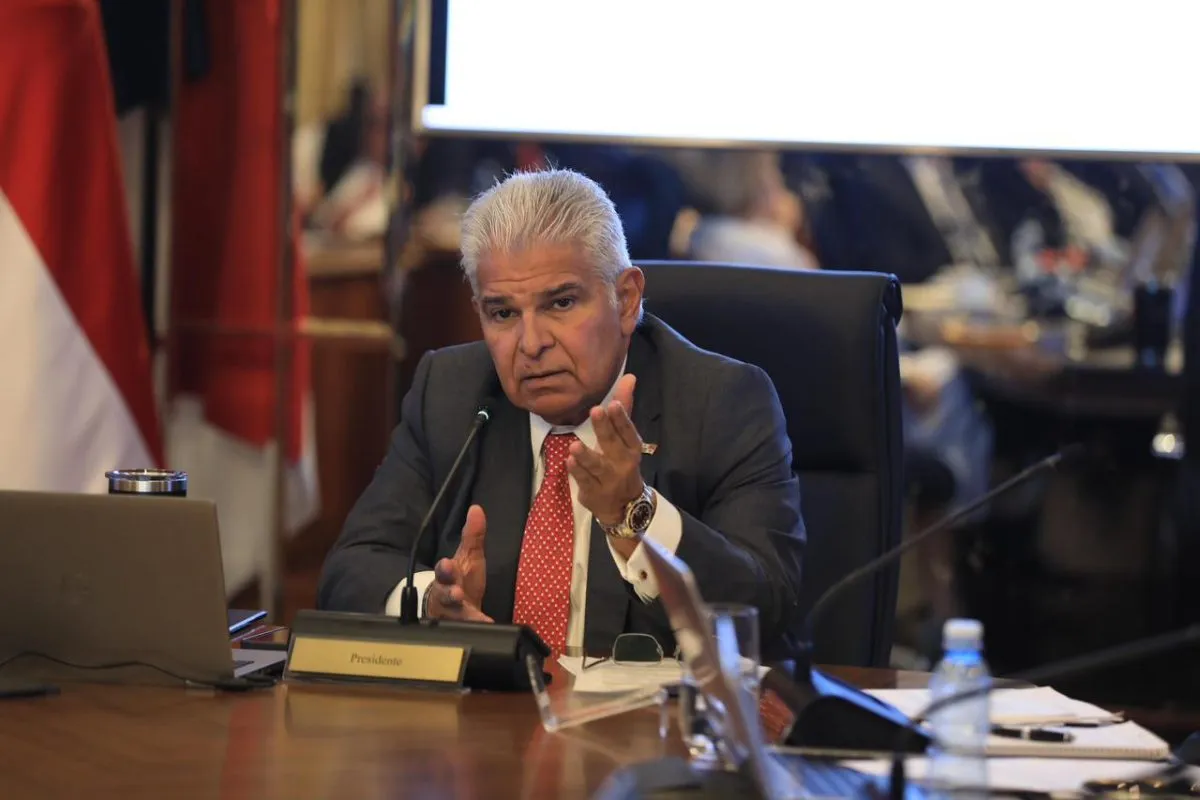
This action marks the eleventh bill vetoed by President Mulino since he took office. His administration has consistently returned legislation it believes conflicts with the nation’s constitution or other established laws. This pattern underscores a focus on fiscal discipline and adherence to legal procedure, particularly for measures altering state structures.
The debate over the Judicial Code amendment touches on a recurring tension in Panamanian governance. Local representatives often push for administrative decentralization to improve services, while the central government must balance those demands with nationwide budget constraints and systemic coherence.
Observers note the bill’s core goal, improving judicial access for West Panama’s growing population, remains politically popular. The challenge for lawmakers is to redesign the proposal with a phased implementation and a concrete funding source that satisfies the President of Panama‘s stated concerns. The legislative process for Bill 229 is now paused, awaiting its next move in the National Assembly.