


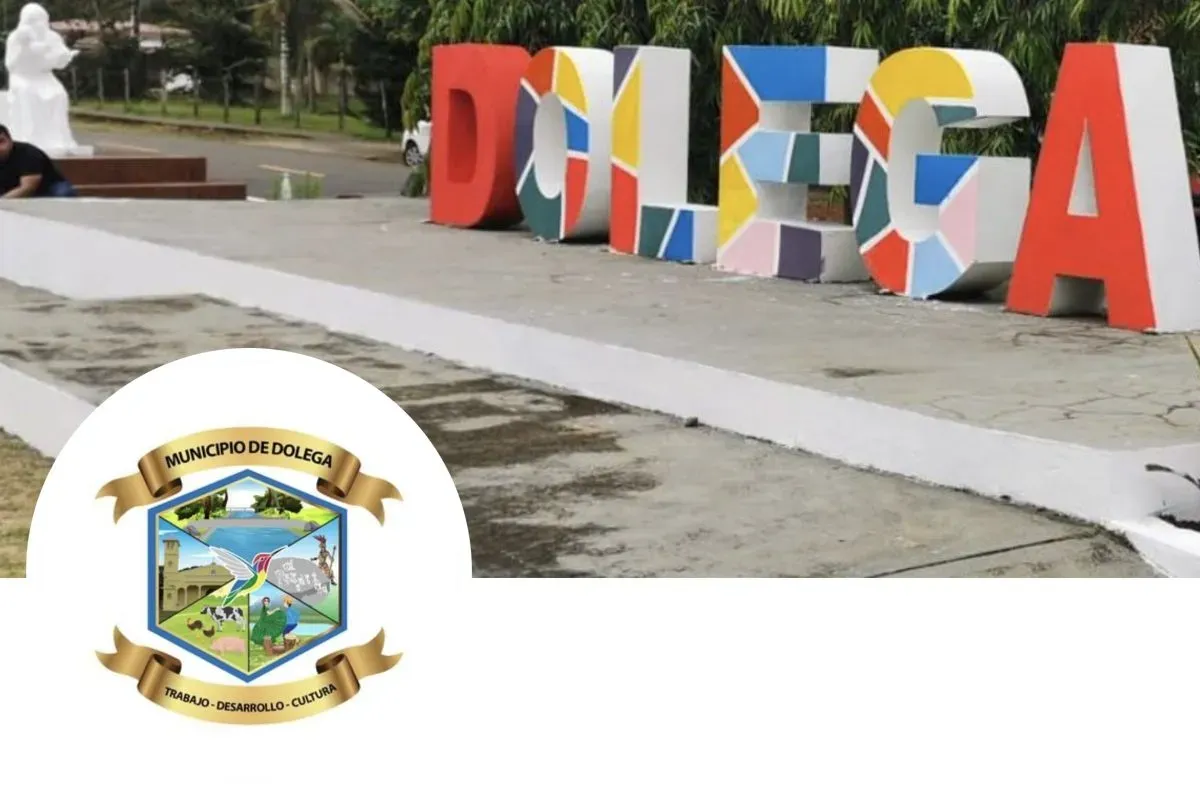
Residents of the Dolega Municipality in Chiriqui province have a new reason to keep their voices down and their trash picked up. Local authorities have issued a sweeping decree that targets everything from car washing to loud music in the popular tourist zone of El Caño. The move comes after months of complaints from people who live near the area’s scenic canal.
Under the new rules, anyone caught breaking these regulations faces fines between $500 and $1,000. That money goes straight to the Municipal Treasury. The crackdown is not just about keeping things tidy. Officials say the behavior of some visitors has been damaging the local ecosystem and hurting public health.
What Exactly Is Prohibited Now
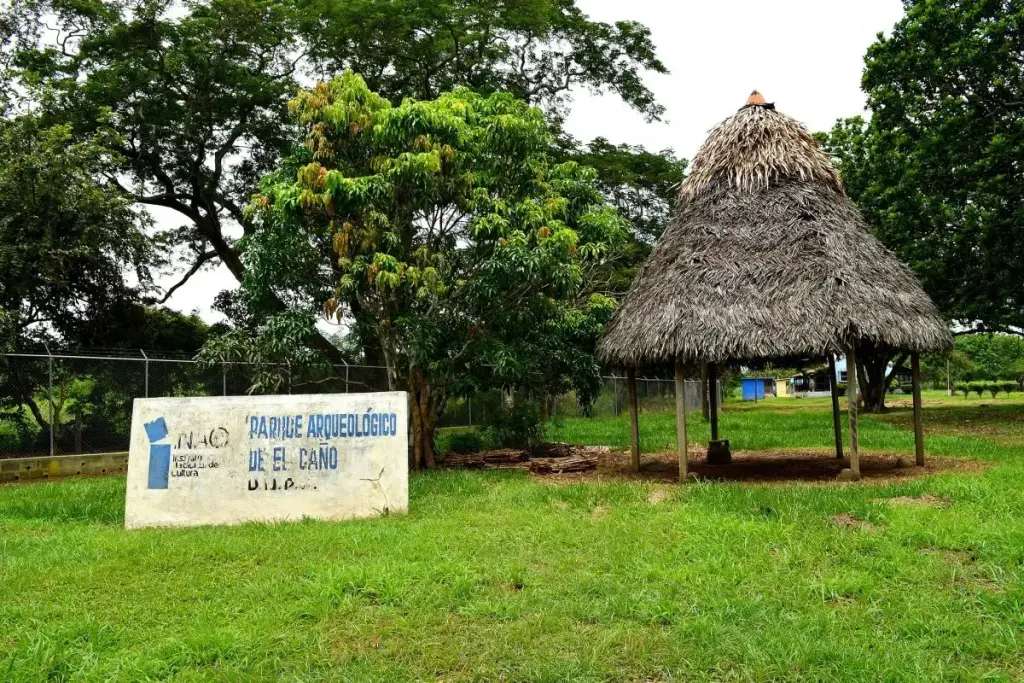
The decree, known officially as Municipal Decree No. 11-2026, lists several specific activities that are now banned in the El Caño tourist area. Washing buses, taxis, or private cars along the canal banks is no longer allowed. Improper disposal of garbage and solid waste is also strictly forbidden.
Authorities are also targeting noise pollution. Vehicles with sound systems blasting excessive music will face penalties. Drinking alcohol in public spaces is prohibited. The decree even includes a catch-all clause for any behavior that disturbs the peace of residents and visitors or harms the environmental balance of the sector.
‘These practices deteriorate the ecosystem, affect water quality, damage the landscape, and generate negative impacts on public health’ [Translated from Spanish]
That statement comes directly from the decree’s preamble. The Panama Official Gazette published the full text of the regulation, making it legally binding for everyone who visits or lives in the area.
Who Enforces These Rules
Enforcement will not fall on just one agency. The decree gives authority to multiple entities working together. The National Police, the Municipal Police, the Municipality’s Compliance Officer, and the Local Board all have the power to issue citations and take necessary actions.
This multi-agency approach signals that the municipality is serious about enforcement. Visitors should expect regular patrols, especially during peak hours and weekends when the area sees the most traffic. The fines are substantial enough to deter most casual violations, but repeat offenders could face additional penalties under existing national laws.
The El Caño tourist area regulations also place responsibility on individuals to manage their own waste. If someone leaves trash behind, they must return to remove it themselves. Failure to do so results in automatic fines for harming the environment and public health.

Why Dolega Took This Step Now
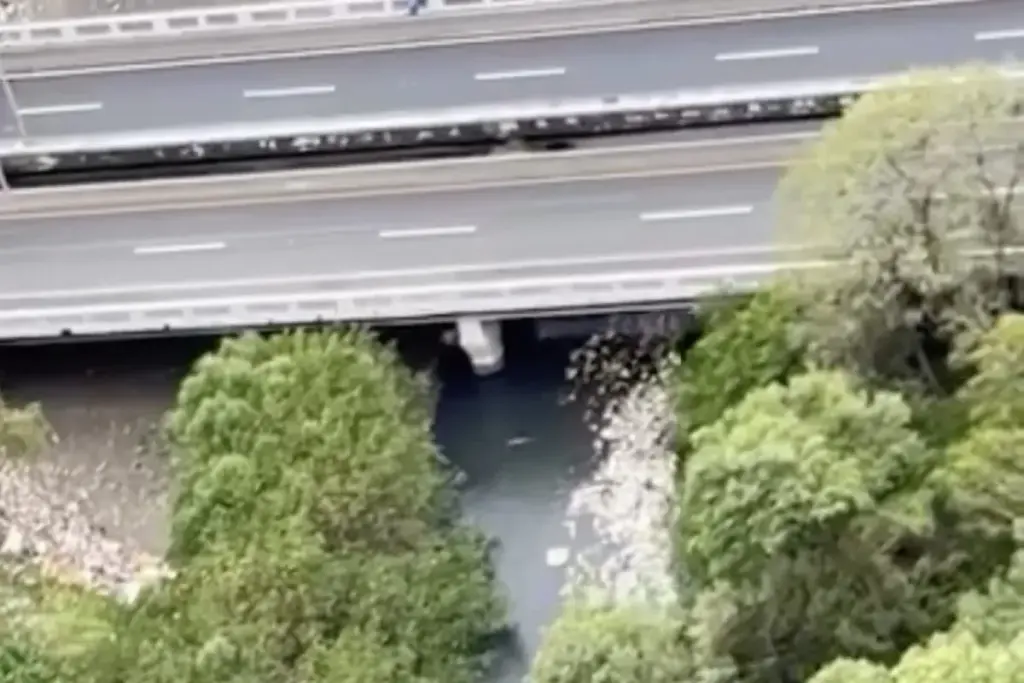
The decision did not come out of nowhere. Local authorities say they have been hearing from residents and people passing through the area for some time. The complaints centered on several recurring problems. Garbage was piling up after swimmers and day-trippers left the canal banks. Vehicles were being washed directly in the water, introducing soaps and chemicals into the ecosystem.
Noise from car stereos was driving away the peace that originally made El Caño a popular destination. The combination of these factors created a situation that the municipality felt it could no longer ignore. The decree represents a direct response to community concerns about declining quality of life and environmental degradation.
Chiriqui province has seen steady growth in domestic tourism over the past decade. El Caño, with its natural canal and surrounding greenery, became a favorite spot for families looking for a quick escape from city life. But popularity brought problems. Without clear rules, some visitors treated the area more like a party zone than a natural preserve.
What This Means for Tourists and Residents
For tourists planning a visit to El Caño, the message is simple. Enjoy the natural beauty, but respect the rules. Pack out what you pack in. Keep music at a reasonable volume. Save the alcohol for private property. And definitely do not wash your car in the canal.
For residents, the decree offers hope that their complaints have finally been heard. Many people living near El Caño watched their neighborhood transform from a quiet rural area into a crowded weekend destination. The new regulations aim to restore some of that lost tranquility while still allowing tourism to thrive.
The municipality has not announced any grace period for the new rules. Enforcement began immediately upon publication in the official gazette. First-time offenders might receive warnings, but the law allows for immediate fines up to $1,000. That is a significant sum in a country where the minimum wage hovers around $750 per month.
Dolega’s approach mirrors similar efforts in other Panamanian municipalities facing tourism pressure. Bocas del Toro and Boquete have both experimented with noise ordinances and waste management rules. The difference here is the explicit connection between individual behavior and ecosystem health. The decree frames these violations not just as nuisances but as threats to the natural environment that makes El Caño special in the first place.
Whether the fines will actually change behavior remains to be seen. Enforcement requires consistent effort from multiple agencies. But for now, Dolega has sent a clear signal. The days of treating El Caño like an unsupervised playground are over.