


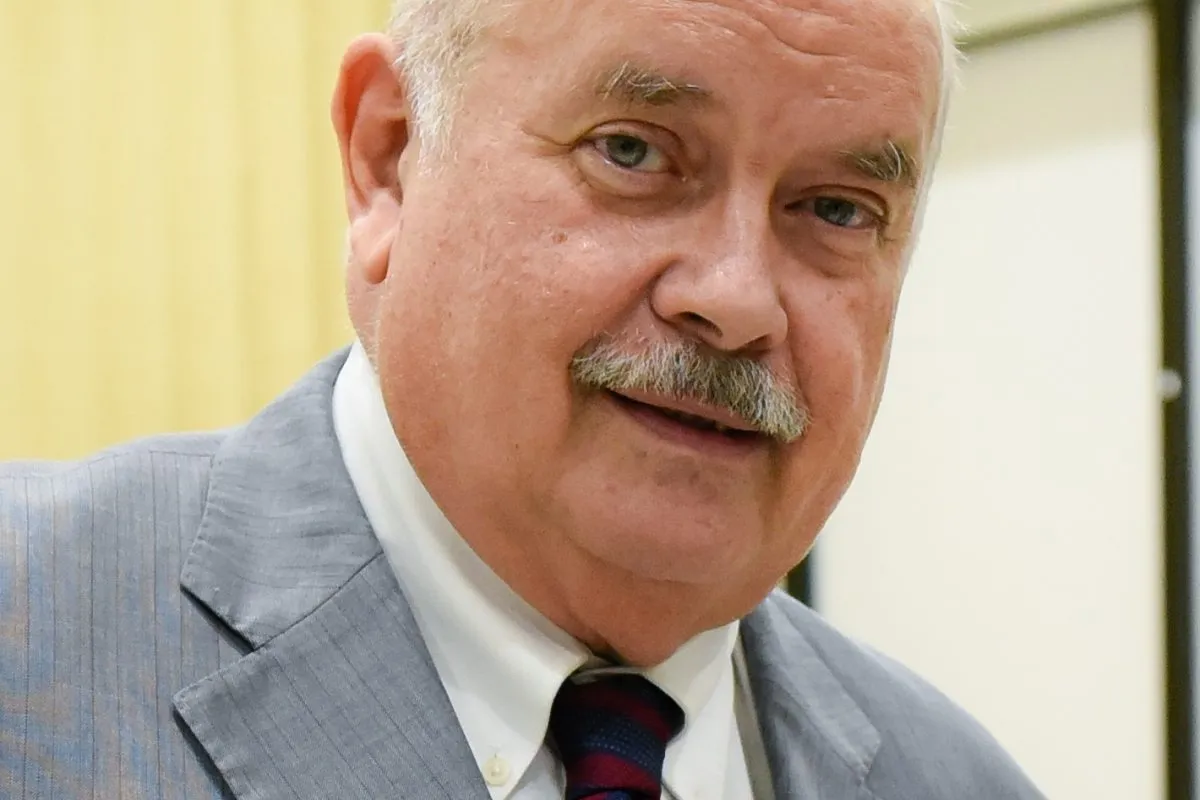
Panama City, Panama – A nationwide literacy campaign aimed at creating a new constitution for the country is making steady progress. Dr. Miguel Antonio Bernal, the executive coordinator of the Presidential Secretariat for State Reorganization and Constitutional Affairs, delivered this update to the Cabinet Council on Tuesday.
The initiative seeks to establish a new Magna Carta by 2029. Dr. Bernal spoke to reporters after a Cabinet meeting led by President José Raúl Mulino. He stressed that the secretariat has conducted literacy workshops across the nation. These sessions have reached state entities, autonomous institutions, and semi-autonomous bodies.
Literacy Campaign Reaches Citizens Across Panama
Seminars, lectures, conferences, workshops, and town hall meetings have sparked widespread interest. The effort has engaged citizens from all sectors and age groups, particularly young people. Dr. Bernal emphasized the campaign’s core purpose.
“We have gradually progressed in the main motivation of this phase, which is to invite the population to become interested in knowing their rights and duties. This is so we can move toward a new constitution. This task belongs to all citizens without exception. We cannot pretend that our country can have a new constitution without everyone’s participation.” [Translated from Spanish]
The jurist outlined the various phases of the constituent process preparation. He shared several aspects already captured in a draft document. These contributions came directly from citizen input. The draft addresses how members of the Constitutional Assembly could be selected. It also outlines the requirements these members must meet.
Citizen Suggestions Shape Draft Constitution
Changes to improve Panamanians’ quality of life are central to the draft. Issues like water access, education improvements, and healthcare reform feature prominently. Political suggestions also appear in the document. One key proposal calls for no immediate re-election at any government level.
The draft will continue receiving more input as the literacy process advances. Dr. Bernal clarified that the process does not follow any foreign model. Instead, it draws from Panama’s own history from 80 years ago.
“The National Constituent Assembly for discussing or debating the approval of a new constitution is not following any foreign model. Rather, it follows what Panama already experienced 80 years ago. A Constituent Assembly that in 1945 gave the country the Panama Constitution of 1946. That constitution was considered at the time the most democratic on the continent.” [Translated from Spanish]
Dr. Bernal reiterated his call for Panamanians to stay engaged with the literacy process. He reaffirmed that this initiative is not a government project. It demands the attention and participation of all Panamanians.